
Growing up in the United States, I never had much use for a kettle. My mom kept a red kettle on the stove of my childhood home and I cannot recall it being used even once. After all, the water for coffee gets hot in the drip coffee maker, and we weren’t drinking much tea. So what else could a kettle be used for?
Fast forward many years, and I was in Belfast, Northern Ireland—going to university, exploring the city and having some very fun nights out in the Cathedral Quarter. While I wasn’t doing much cooking at the time, I was doing a lot of eating—I had to take advantage of being abroad!
One night, my friend was making us pasta for dinner, and she used a trick that absolutely blew my mind. It’s a trick her mother and grandmother have been using for decades. Turns out, across Ireland and the United Kingdom (and likely other tea-loving countries) home cooks have been utilizing their electric kettles in a way my American mind never even conceptualized. And ever since, I’ve used it regularly.
The Best Use For an Electric Kettle
Yes, you could just use your kettle for tea—I’ll never knock it. But that little appliance can play a much more significant role in the kitchen—pre-boiling water. If you’re a regular home cook, you know how frustrating it is to sit around and wait for a pot of water to boil. The old expression “a watched pot never boils” still holds true today—it can sometimes be the longest part of the whole cooking process!
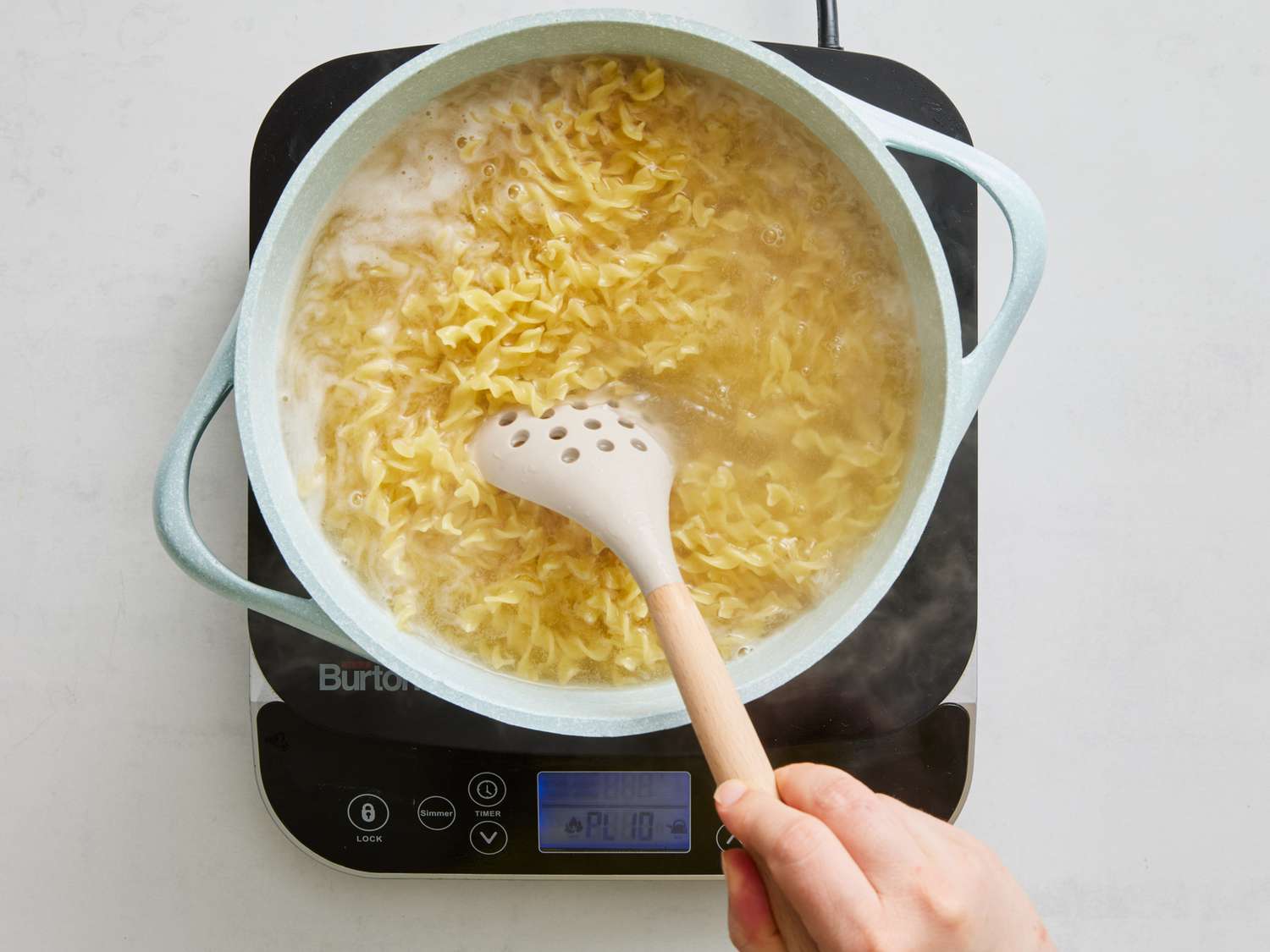
Instead of waiting for my stovetop to heat the water, I use my electric kettle to do the initial heating, then pour it into my pot where it quickly comes to a rolling boil. From cooking pasta to blanching vegetables or boiling potatoes, there are so many opportunities to use this nifty trick. It has saved me noticeable, significant time through the years, and solved one of my most common kitchen frustrations.
Getty Images
Volume really matters here. Electric kettles come in several sizes that can’t always accommodate the amount of water needed to do something big like making a batch of chicken stock. There are a few ways I get around this: The first is to use a pot that is taller than it is wide. While I may have used a Dutch oven to make a pot of Kraft Mac & Cheese in the past, now I use something like a 3-quart saucepan instead. The smaller size requires less water to fill.
Additionally, if I’m making something that requires more than just a regular pot of water—such as a big stockpot to make stock—I do multiple rounds of heating. It may sound tedious, but it’s still ultimately a time saver. If you use hot water from the tap, the process will move even faster. But for most of my day-to-day cooking, one or two kettles totally fit the bill.
So if you have an old electric tea kettle collecting dust somewhere in your home, this trick may just breathe new life into it! Give it a try and see if it helps make your weeknight cooking easier too.
Dining and Cooking