

By: Eric Kwame Amesimeku
In the vibrant heart of West Africa, where the bustling markets of Accra meet the sophisticated palates of a burgeoning middle class, Italian wine is carving out a niche as more than just a beverage – it is a symbol of economic synergy and untapped opportunity.
As Ghana’s economy rebounds from global headwinds, with GDP growth projected at 5.2% for 2025, the influx of Italian vintages underscores a deeper narrative of bilateral trade expansion.
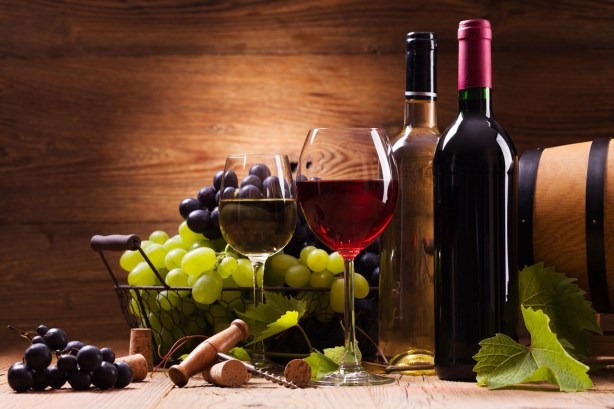
Italy, the world’s largest wine producer, has long been a gateway to Mediterranean elegance, and its exports to Ghana are increasingly viewed as a microcosm of Africa’s “infinite potential” for premium imports. From the robust reds of Chianti to the crisp whites of Verdicchio, these bottles are not merely quenching thirst; they are fueling economic corridors that link Tuscan vineyards to Ghanaian dining rooms.
This growth trajectory is no accident – Italian wine exports to Ghana have mirrored the broader strengthening of ties between the two nations, evolving from modest post-colonial exchanges to a dynamic partnership in recent years. In 2024, Italy’s exports to Ghana reached US$231.57 million, a testament to the country’s diversified trade beyond traditional commodities such as cocoa and gold.

Beverages, including wine, played a starring role, with imports from Italy in this category hitting US$1.31 million in 2023 alone – a figure that likely climbed with the 3.5% rise in Ghana’s overall foreign wine imports to $35.2 million in 2024. These numbers paint a picture of resilience: even as global supply chains faltered, Italian producers adapted, leveraging Ghana’s strategic position as a regional hub to penetrate West African markets.
At the core of this surge is Ghana’s import shipments of wine, which totalled 2,265 consignments between September 2023 and August 2024, sourced from 274 foreign suppliers. Italy’s share, while not dominant, trailing powerhouses like France and South Africa, has grown steadily, with 23 dedicated Italian wine importers operating in Ghana as of mid-2025.
This is not just about volume; it is about value. Italian wines command premium pricing, appealing to urban professionals and expatriates who associate them with quality and heritage. As Ghana’s wine market revenue is projected to swell to US$351.90 million in 2025, driven by a volume of 23.79 million litres, Italian exporters stand poised to capture a larger share, potentially transforming niche players into market leaders.
Yet, behind these statistics lie the unsung heroes: Ghana’s key importers who bridge continents with every shipment. Take Don Emilio Ltd., a cornerstone of the sector since its founding in 2000. Don Emilio has built a reputation as the “House of Quality Wine.” Specializing in over 1,000 products, including Italian staples like Prosecco and Barolo.
Its founder, drawing from a passion for European craftsmanship, has curated partnerships with iconic Italian estates, ensuring that bottles arrive not just intact but with stories of sun-drenched hillsides.
Complementing this is Imexco, a powerhouse in premium imports whose footprint extends far beyond wine. As the exclusive distributor for legends like Moët & Chandon, Imexco has diversified into Italian offerings. Imexco’s focus on sparkling and dessert wines aligns perfectly with Ghanaian festivities, where effervescence symbolizes celebration.
No discussion of Ghana’s Italian wine vanguard would be complete without the Tad Group Limited, a relative newcomer that has quickly ascended to exclusivity. Sourcing “premium wines for Ghana, curated from world-renowned vineyards,” Tad positions itself as Italy’s premier conduit in the country.
As highlighted at the 2025 “Flavours of Italy” event – marking a decade of Italian excellence in Ghana – Tad imports exclusively from the Bel Paese, featuring varietals like Nero d’Avola and Amarone. With several shipments logged in recent years, the group emphasizes tailored experiences: private tastings, vineyard-to-glass storytelling, and partnerships with luxury venues.
Other notable players include Barona Wine GH, led by Steven Fittock, an expert in winery who believes that great quality Italian Wine should be readily accessible to anyone. A solid partner and importer of Caviro, Torri Cantine and Rosarubra wines in Ghana. Panific, founded in 2015, imports and distributes Italian wines alongside specialty foods and spirits.
Its strong logistics network supplies hotels, restaurants, supermarkets, and e-commerce outlets across Ghana. Superb Wine & Liquor operates as a premium retail store offering curated international wines, including Italian selections. Denzel Logistics handles distribution for premium Italian brands like Tonino Lamborghini beverages. As the official distributor in Africa, it ensures wide availability through liquor stores and delivery channels.
These importers are not operating in isolation; they are the vanguard of a market brimming with potential. Ghana’s wine sector, while facing headwinds, harbours explosive upside in the premium segment. Still, the wine market is forecasted to grow at 8.65% CAGR through 2030 for at-home consumption.
This growth is propelled by urbanization: Accra’s population, now exceeding 5 million, boasts a rising middle class with disposable incomes climbing 6% annually. Italian wines, perceived as sophisticated yet approachable, fit seamlessly into this narrative.
Zooming out to Africa, the continent’s wine market is a goldmine for Italian exporters. Markets like Kenya, Tanzania, and Mauritius, gateway destinations for tourists, mirror Ghana’s trajectory, where Italian brands thrive on familiarity.
For Italian wine exporters, the playbook is clear: partner with some of the reliable locals mentioned above to navigate regulations and build awareness. Subsidized events, digital marketing, and hybrid pairings (think Primitivo with fufu) can accelerate penetration. As Ghana-Italy trade evolves, Italy’s Q2 2025 exports to Ghana is at €32 million, wine stands as a low-volume, high-margin beacon.
In conclusion, the economic growth of Italian wine in Ghana is not a fleeting trend; it is a toast to enduring potential. With savvy importers leading the charge and a market hungry for excellence, 2026 could mark the pivot from import curiosity to staple status. As bottles clink in Accra’s skyline lounges, they echo a larger harmony: prosperity poured one glass at a time. Here’s to the vines that bind nations, and the futures they uncork.
Post Views: 46
Discover more from The Business & Financial Times
Subscribe to get the latest posts sent to your email.
Dining and Cooking