
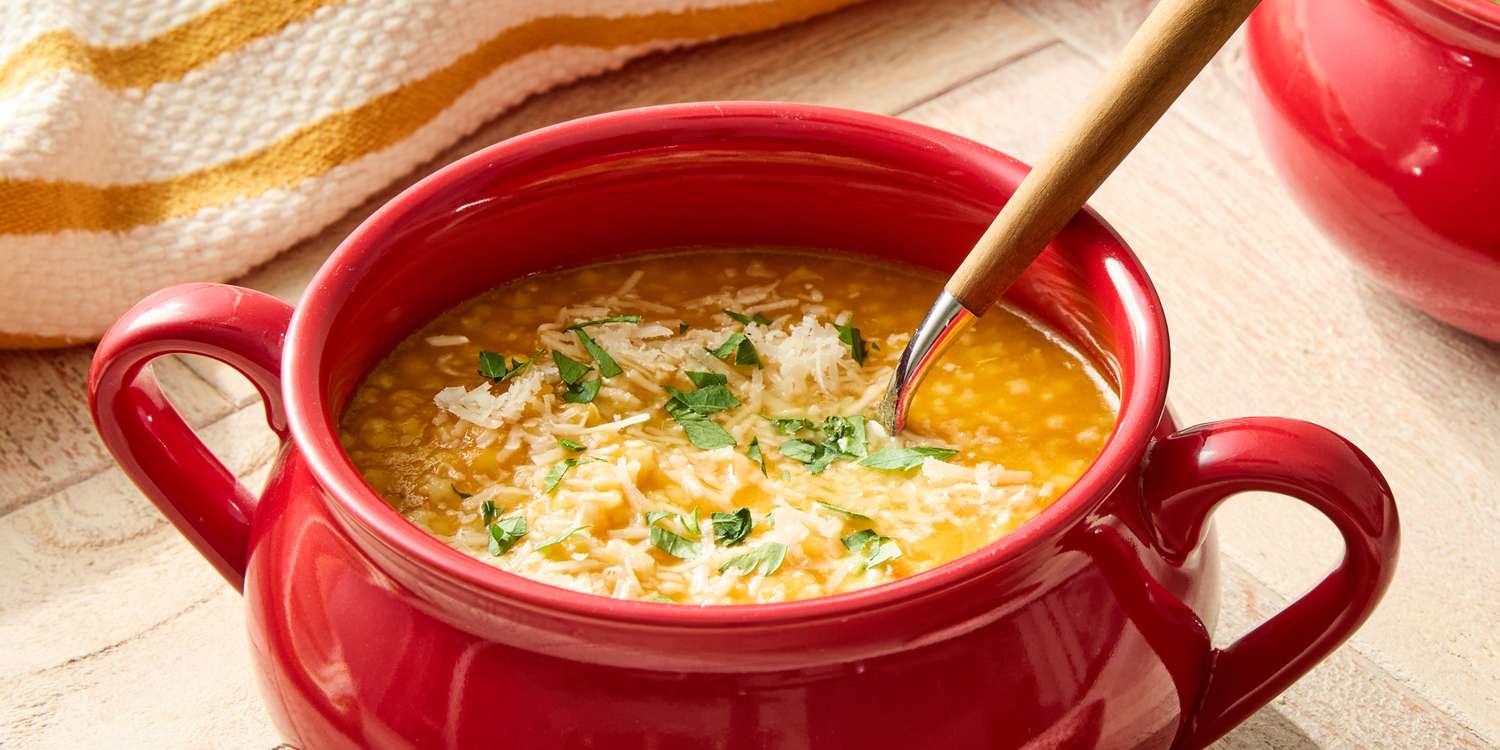
There’s a little magic in my kitchen, especially when the wind howls off Lake Michigan and my kids come home sniffling, cheeks pink from the cold.
That’s when I channel my inner Strega Nona, the wise, soup-simmering half-grandmother, half-witch, from the beloved children’s storybooks by Italian-American author Tomie DePaola.
Pastina, as every Italian grandma knows, is the trusted cure for everything from broken hearts to sore throats to cabin fever and the winter blahs.
My own Nonna swore by this simple soup, essentially tiny pasta simmered in a simple chicken broth. She’d sprinkle delicate stelline (star pasta) into a pot of her homemade chicken broth, simmer it on the stovetop, pour it into a bowl, and sprinkle it with Parmigiano. After just a few spoonfuls, somehow, everything felt better.
Now, as a mom raising kids in Chicago, pastina has become my go-to light lunch on frosty afternoons, or a gentle, edible remedy when throats are sore or spirits are low. It’s simple, quick, nourishing, and a way of saying “I’ve got you” without words. Just a bowl, a spoon, and a little bit of love.
What Is Pastina Soup?
Pastina soup has long been a staple in Italian households. The term pastina literally means “little pasta,” and it refers to the tiniest pasta shapes traditionally used in brothy soups. Pastina is often the first solid food Italian children eat, lovingly prepared by mammas and nonnas who swear by its restorative powers.
Historically, pastina emerged as a practical solution for feeding the sick or elderly. But over time, it has become the everyday, easy-prep remedy for colds, flu, or emotional blues, earning its nickname, “Italian penicillin.”
How to Make Pastina Soup
To make pastina at home, begin by bringing broth, onion, carrots, celery, garlic, and salt to a boil in a large saucepan or small Dutch oven. Lower the heat and let the mixture simmer until the vegetables are soft.
Carefully transfer the vegetables and some broth to a blender, secure the lid, and remove the center piece to allow steam to escape. Cover the opening with a clean towel and blend until smooth.
Stir the blended mixture back into the soup, then add thyme sprigs, bay leaves, and if you have one on hand, a Parmigiano-Reggiano cheese rind.
Bring the soup back to a boil, add the pasta, and reduce the heat again to let it simmer, stirring occasionally until the pasta is tender. Add shredded chicken during the final few minutes of cooking. Once done, remove the pot from the heat and discard the thyme, bay leaves, and cheese rind. (I always add a splash of lemon juice to my pastina to brighten the flavor.) Serve the pastina immediately, garnished with grated Parmigiano-Reggiano.
Dotdash Meredith Food Studios
Choosing the Right Pastina
While pastina refers broadly to tiny pasta shapes, several shapes can be used to make this soup, each adding its own texture and charm.
Our family loves stelline (little stars) in our pastina, for the extra dose of whimsy. But you can also use acini di pepe (peppercorns), tiny round pasta beads that resemble couscous, or orzo, pasta shaped like rice grains. Ditalini, small tube-shaped pasta, can also be used; they add a bit more bite and structure to the soup. And alphabet pasta makes pasta fun and even educational!
If you don’t have pastina on hand, broken spaghetti works just as well. The key is that the pasta is small enough to cook quickly and blend seamlessly into the broth.
The Science (and Sentiment) Behind the Broth
Pastina soup’s reputation as a cure-all has both generational wisdom and some grounding in nutritional truths.
Traditional pastina soup is made with chicken broth, which may indeed have qualities that help a person who’s feeling low with a cold. The broth also contains garlic, which contains compounds known for their antioxidant, anti-inflammatory, and immune-supporting properties. The warmth of the soup helps soothe sore throats and provides comfort in cold weather, not to mention its general benefits for hydration.
If you’re looking to add an extra oomph of vitamins, toss in some chopped carrots, celery, garlic, and onions.
Dining and Cooking