
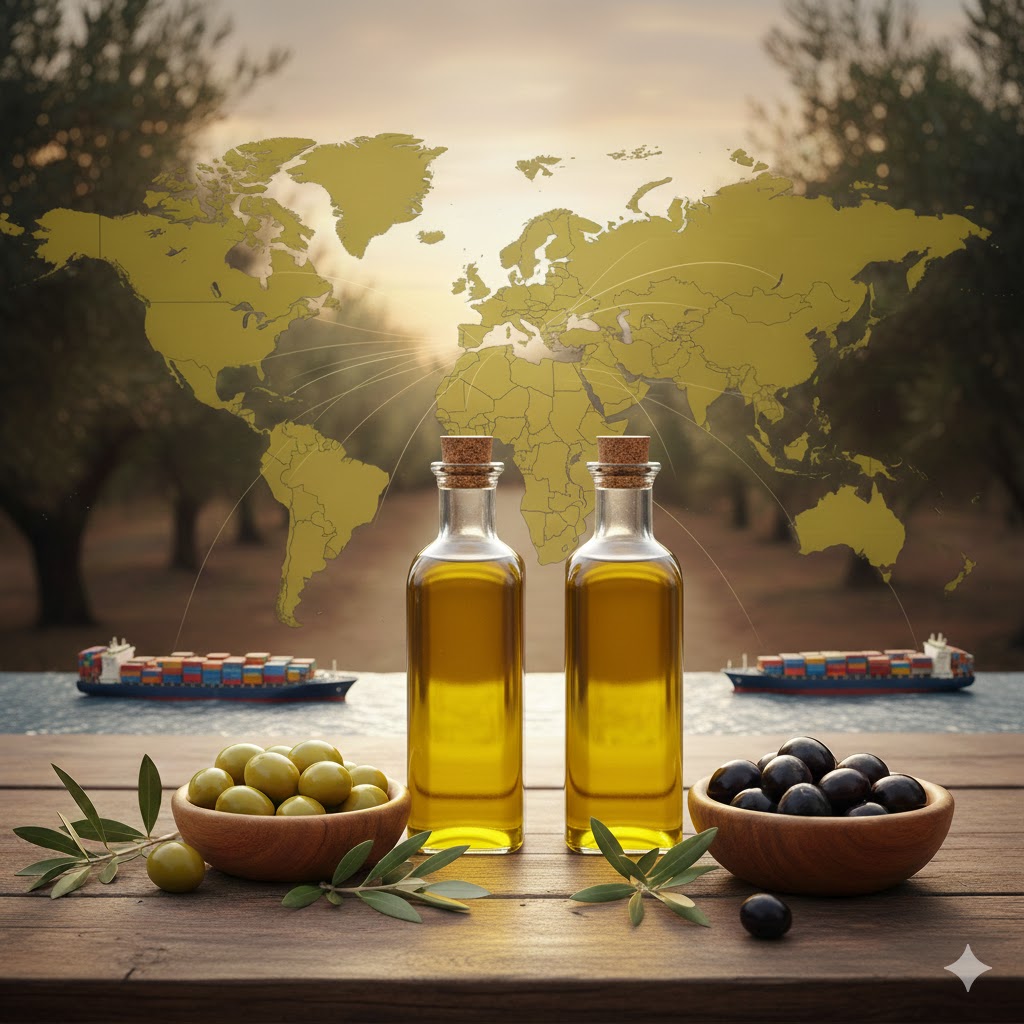
 Talking about extra virgin olive oil made in Italy It means going far beyond the food dimension. Olive oil is an expression of agricultural civilization, a territorial protector, a tool for environmental protection, and a cornerstone of the Mediterranean diet. It is one of the most profound symbols of Italian agriculture, capable of combining millennia-old tradition, technical innovation, and certified quality.
THEItaly holds a record that is often remembered, but not always fully understood: it is the country with the highest olive biodiversity in the world, with over 700 native cultivars recordedAn extraordinary genetic heritage, built over centuries through the olive tree’s adaptation to extremely diverse soil and climate conditions. Each cultivar possesses a specific sensory and biochemical profile, with significant differences in terms of aroma, phenolic content, and oxidative stability.
This biodiversity represents not only an identity asset, but a strategic lever for the future of olive growing. In a context marked by climate change, new plant diseases, and growing production instability, Genetic variety is a tool for resilience, as well as qualitative differentiationWhere olive growing thrives, the land is cared for, hydrogeological risks are mitigated, and rural communities maintain an economic and social balance.
From nutritional point of viewExtra virgin olive oil cannot be considered a generic “vegetable fat.” It is a functional food in every respect, as recognized by scientific literature and European health authorities. Its composition, dominated by oleic acid and enriched with polyphenols, tocopherols, and other bioactive compounds, makes it a key element in the prevention of cardiovascular and metabolic diseases.
Not by chance, theEFSA – European Food Safety Authority, has authorized a specific health claim regarding the ability of extra virgin olive oil polyphenols to help protect blood lipids from oxidative stress. This recognition distinguishes EVOO from any other dietary fat and should form the basis of any promotion and communication policy.
Mercosur: Opening Markets and Compressing Value
The trade agreement between the two countries fits into this already complex scenario. XNUMX-XNUMX business days e Mercosur, also politically supported by the current Italian government. The agreement aims to strengthen trade with Brazil, Argentina, Paraguay, and Uruguay by progressively reducing duties and tariff barriers.
Per Italian olive growing the issue is not so much the risk of a direct invasion of South American oil, but rather a progressive compression of value on international marketsItalian producers operate in a context characterized by high costs, stringent environmental regulations, traceability obligations, and quality standards far above the global average. a market increasingly oriented towards price and volumes, these characteristics risk becoming a competitive handicap if not adequately recognized and communicated.
The commercial opening, if not accompanied by rigorous controls, effective safeguard instruments and policies to enhance the origin, it can weaken quality supply chains, favoring one asymmetric competition that penalizes those who invest in sustainability and biodiversity.
Nutri-Score: A Dangerous Simplification
Further complicating the situation is the issue of consumer information, particularly the Nutri-Score, a front-of-pack nutritional labeling system adopted or supported in several European countries. Created with the aim of facilitating quick food choices, the Nutri-Score, however, turns out to be a double-edged sword for foods like extra virgin olive oil.
The algorithms underlying the system penalize lipid content without adequately distinguishing between fat quality and the presence of bioactive compounds. The result is a misleading representation that risks placing EVOO on the same level as refined fats or ultra-processed products that have been “corrected” at the industrial level to obtain a higher score.
The paradox is clear: while science and food tradition recognize extra virgin olive oil’s central role in a healthy and sustainable diet, an overly simplified label can lead consumers to perceive it as a food to be limited.
Conclusions: knowledge, not simplification
La defense of Italian extra virgin olive oil It cannot be reduced to an identity narrative that is an end in itself. We need a integrated strategy, which combines the protection of biodiversity, rigorous import controls, valorization of origin, and correct nutritional information.
Quality extra virgin olive oil is one of the few foods for which there is formal scientific recognition of its health benefits. Ignoring it or reducing it to a mere condiment would weaken the debate and, above all, weaken one of the cornerstones of Italian agriculture.
Defending extra virgin olive oil means defending a concept of food that encompasses territory, health, culture, and the future. And, as is often the case, the first true form of protection remains knowledge.
Dining and Cooking