
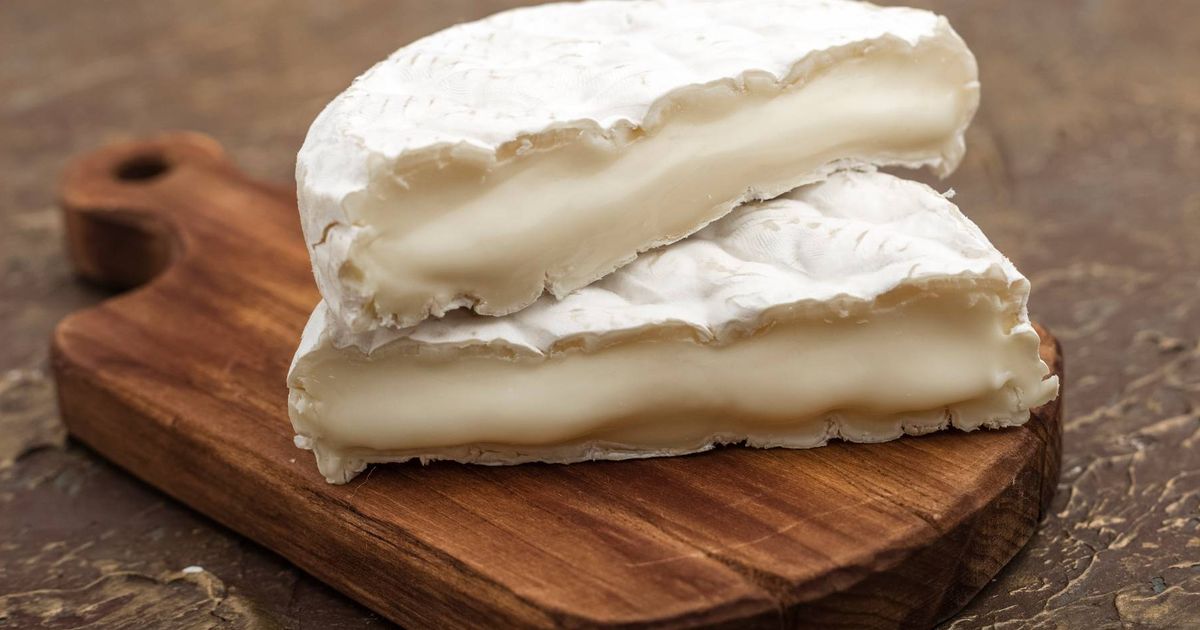
All of those affected had eaten contaminated cheese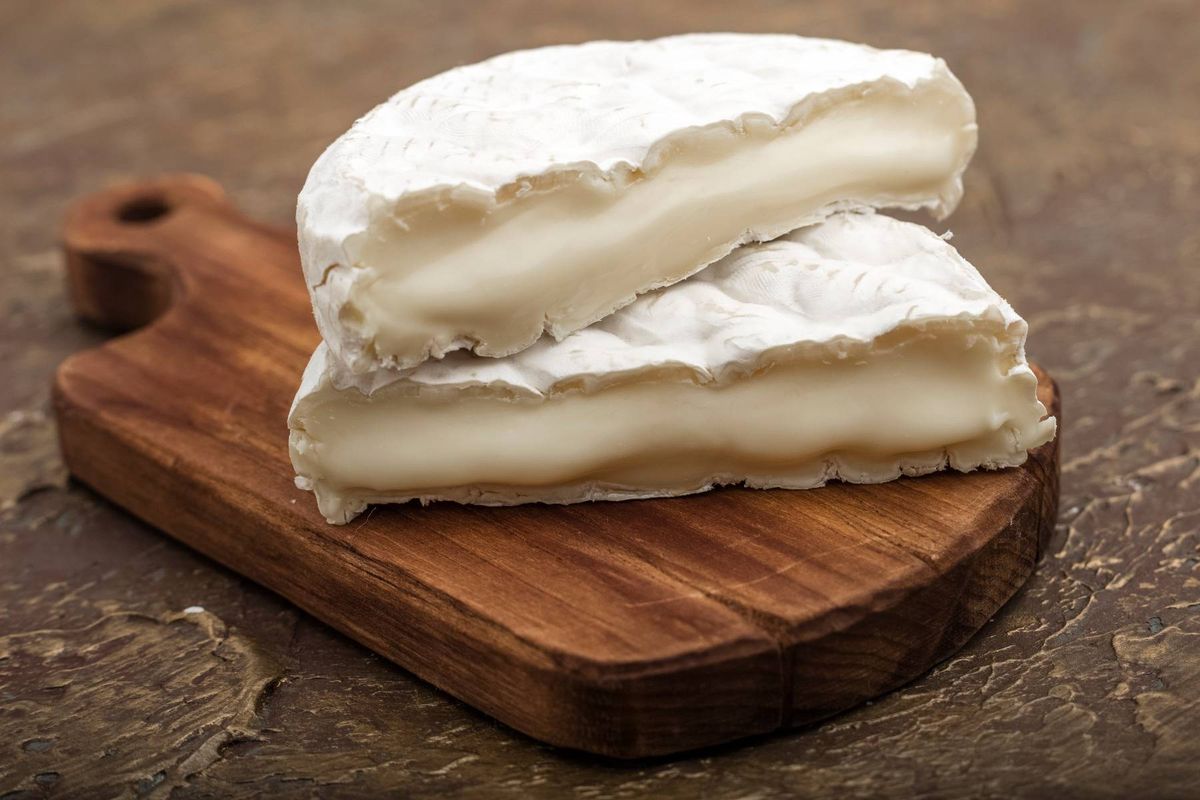
(Image: Getty Images)
Health authorities have withdrawn potentially deadly soft cheese following two fatalities in France were linked to a listeria outbreak which it is feared could have spread to Britain. A further 21 individuals also fell seriously unwell after consuming bacteria-tainted dairy products between December 2024 and 13th August this year.
Belgium, Denmark, the Netherlands and Norway have all confirmed four cases of listeriosis between 14th April and 9th July. Concerns now exist that the infection may have reached the UK, though no connected cases have been documented at present. The European Centre for Disease Prevention and Control (ECDC) suspects that pasteurised soft cow’s and goat’s milk cheeses manufactured by French producer Chavegrand might be connected to the incidents. It said it was believed that contaminated products had been distributed in the UK.
The firm has now withdrawn all batches of cheese made before 23rd June, 2025. The items – all soft cheeses crafted from pasteurised cow’s milk or goat’s milk – were sold until 9th August in France and other nations, under various commercial brand names.
They bear the health mark FR 23.117. 001 – anyone who has purchased this specific cheese has been advised against consuming it, reports the Mirror.
A company spokesperson commented: “We have increased the number of tests on products and equipment by a factor of 100 to ensure there were no contaminants All our employees, who have been working very hard since June, are stunned by this news.”
French health authorities stated: “Anyone who has consumed [these cheeses] and experiences a fever, whether isolated or accompanied by headaches and body aches, should consult their doctor and inform them of their use.”
Symptoms of listeriosis can emerge up to eight weeks following consumption of contaminated food.
Listeriosis symptoms
Listeriosis is an infection caused by a bacteria called Listeria monocytogenes. It can cause the following symptoms, which generally last a few days for the majority of people.
However, if they persist for for longer, you’re advised to ask for an urgent GP appointment or call NHS 111.
If you’re pregnant, you may also have a stomach ache or notice your baby moving less than usual. Babies with listeriosis may also be irritable and feed less than usual.
Older people are at higher risk of getting seriously ill from listeriosis and the risk increases with age.
In the most recent cases in France, those affected were between 34 and 95 – 11 of them were women. While in the four other countries with reported cases, the patients were between of 35 and 70.
Despite the potential seriousness of listeria, the ECDC assured the public that contamination of pasteurised soft cheese is rare. It declared: “For the population in good general health status, the overall risk is estimated to be very low,’ it stated.
“Given the long incubation time of listeriosis more vulnerable people such as pregnant women, elderly people and people with immune deficiency or underlying health conditions should pay attention to signs like fever or severe headache and seek medical advice without delay.”
The ECDC has indicated that tainted products may have been supplied to the following nations:
According to the ECDC, contaminated products may been distributed in the following countries:
AlbaniaAndorraAustraliaAustriaBelgiumBurkina FasoCambodiaCanadaCzechiaCôte d’IvoireDenmarkEstoniaFinlandFrance, including French PolynesiaGermanyHong KongHungaryItalyJapanMadagascarMalaysiaMauritiusThe NetherlandsNew CaledoniaSingaporeSlovakiaSouth KoreaSpainSwedenSwitzerlandUnited KingdomUnited States
Dining and Cooking