
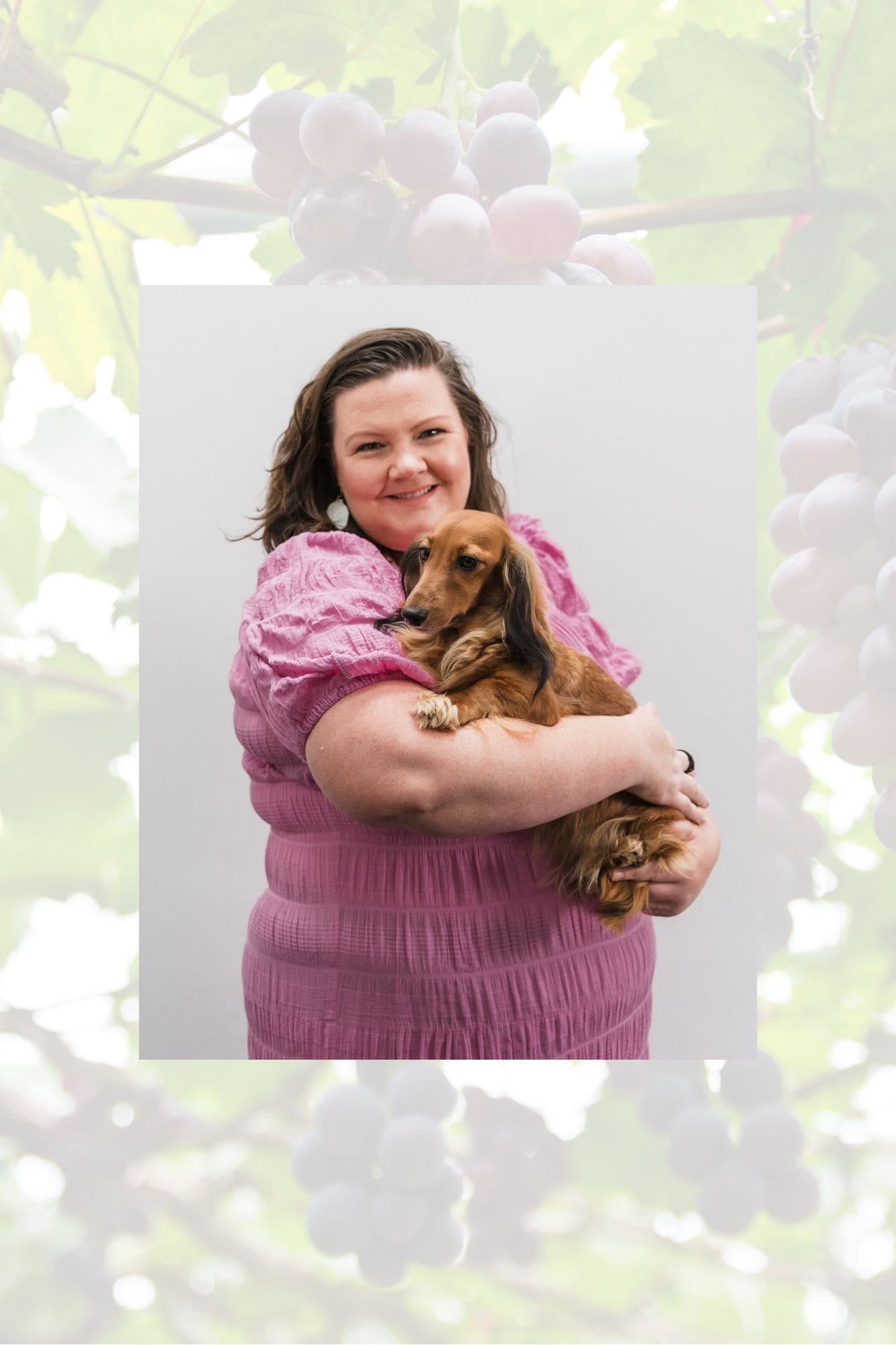
After years of facing double standards, winemaker Lauren Swift (of Swift Wines) explains why she refuses to stay quiet about the challenges women face in New Zealand’s wine industry.
Opinion
It’s summer – and most of us will be popping the cork on some special bottles of wine this season, enjoying New Zealand’s best bubbles, creamy chardonnays and restrained rieslings.
It’s a wonderful time of year, but for Aotearoa’s female winemakers, it’s the calm before the storm. Harvest is just around the corner, and with it, the exhaustion of being deep inside an industry that – for decades – has been a completely inhospitable place for women.
After more than a decade working in wine, I’ve watched talented women leave because they couldn’t break through the barriers that men never even notice. I’ve been questioned about my competence to my face, had my leadership style scrutinised in ways that would never happen to a male colleague, and been asked countless times how I “juggle it all” as if being a mother disqualifies me from making exceptional wine.
The double standards start early and never really stop. When I won the New Zealand Young Winemaker competition in 2015, I was thrilled, and so proud to have had my commitment and passion for making wine acknowledged. But even after that recognition, I had another (male) winemaker tell me to my face at a wine judging dinner that I wasn’t good enough to be in my job.
Would he have said that to a man? I doubt it.
The most insidious part isn’t the outright sexism – it’s the subtle undermining that happens almost daily. Recently, I’ve had men approach my staff to ask how they find working for me, clearly expecting to hear complaints about my direct communication style, as if that’s somehow problematic.
My personal assistant has been asked this question three times since August. She’s started joking that she’s waiting for the other shoe to drop, wondering if I’m hiding some terrible personality trait! The irony is that these same men would probably describe a male colleague with an identical communication style as “decisive”, “assertive” or as possessing “strong leadership qualities.”
It’s not just my personality being scrutinised – my competence is queried too. When dealing with refrigeration contractors or equipment suppliers, it’s assumed I don’t understand the technical details or won’t check their work properly. It’s such an insult to my intelligence.
And then there is the motherhood penalty. Aside from the first question I field always being about how I – with two small children – manage it all, I also sense that the industry has moved beyond worrying whether women can do the job, to whether young women might have children and therefore become unreliable employees.
It’s a conundrum that men never face. We’re expected to prove we can handle both career and family, while men are assumed to be capable of both without question.
When I was trying to have a baby while working for another winery, I had to plan for and plot my own maternity leave cover – something male colleagues never consider. What man sits there thinking, “I need to train someone to completely take over my role just in case I need to step away for a year”?
We take on the emotional labour of protecting everyone else’s business interests, on top of our own often stressful life decisions!
The physical demands of winemaking during harvest – seven days a week for two months, including some 16-hour days – create additional challenges for women with family responsibilities.
But what frustrates me most of all is the assumption that we should be grateful for any opportunity. I’ve watched women accept lower pay and worse conditions because they just feel lucky to be included. When I used to have to negotiate my annual salary increase, I’d research pay scales and cobble together evidence to justify my request, while male colleagues seemed to be able to head into these conversations with more confidence and less preparation.
In spite of the challenges we women face, I’m confident that change is ahead. When I started making wine there were only two female head winemakers in Hawke’s Bay. Now there are many more, often running their own smaller wine brands because they couldn’t find progression opportunities in established wineries.
Women make incredible wine. The problem is an industry culture that still questions our capability, examines our leadership styles, and assumes our family responsibilities will compromise our professional capabilities.
How amazing would it be if people were able to simply discuss whether my wine is good, not whether it’s impressive “for a woman.”
My advice to women entering this industry is to be strong but maintain your grace. Don’t let people take advantage of you. And if they do, learn from it and make sure it never happens again!
Most importantly, don’t accept the narrative that you should be grateful for scraps. Demand the same opportunities and benefits that your male colleagues get. And insist that your leadership style is judged on results, not on whether it makes stale pale males feel comfortable.
I love what I do, and making wine is my self-expression, as it is for every other winemaker I’ve met. The industry will improve when we afford women who make great wine the same respect that we do the men.
Dining and Cooking