
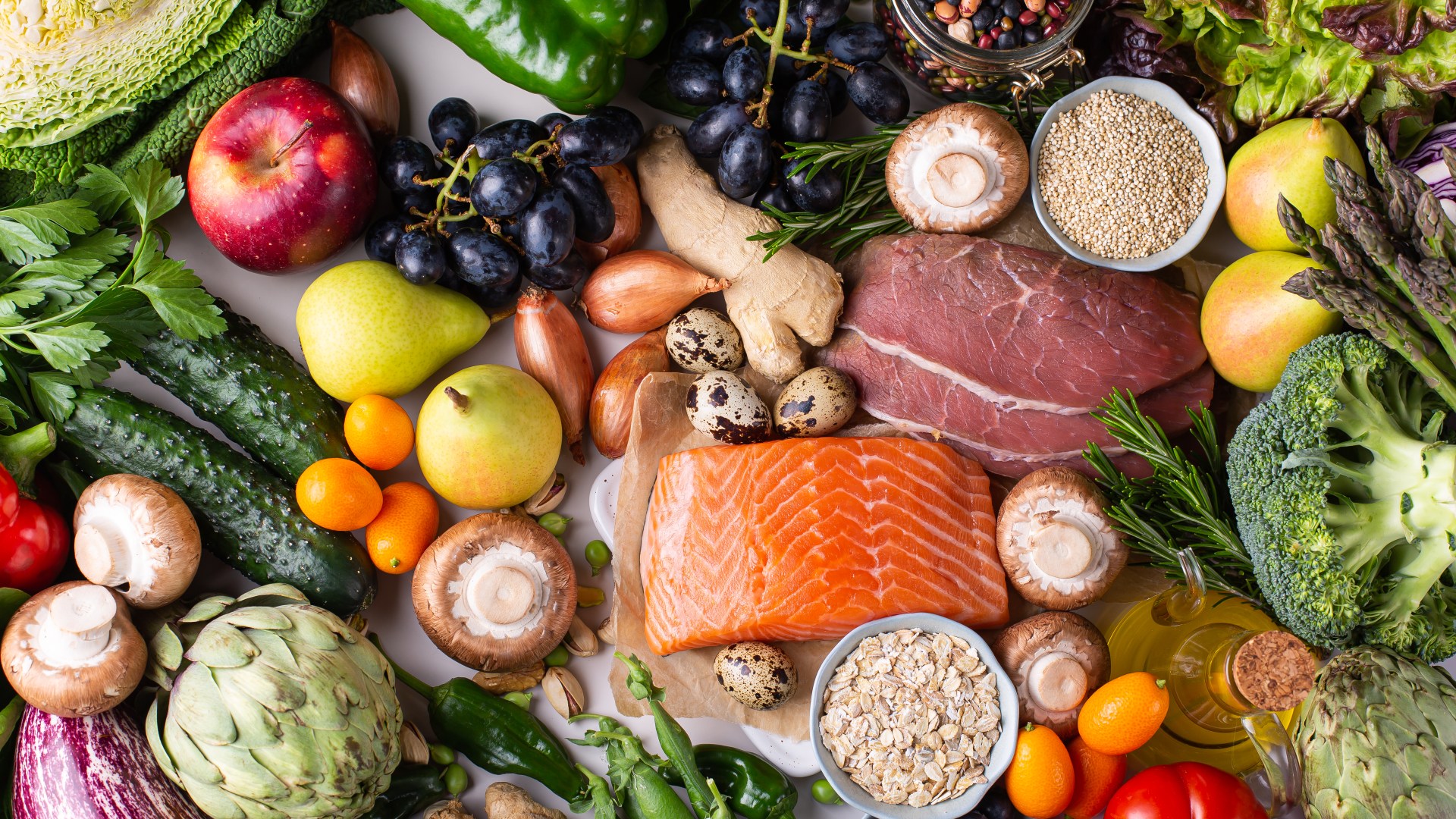
The Mediterranean diet is hailed by doctors for its menu of fruit, grains and seafood that can protect from a host of diseases and boost weight loss.
But now, scientists say that another food plan could be even more effective at shedding the pounds.
Sign up for The US Sun newsletter
Thank you!
Scientists today argued that their findings showed certain types of ultra processed foods should be limitedCredit: Getty
According to British researchers, people who followed a completely unprocessed diet – loading up on fruit and vegetables instead – consumed 330 calories fewer per day.
This was despite eating roughly 57 per cent more food daily than those who tucked into to their normal diet – higher-calorie foods like steak, pasta, and cream.
Sticking to a wholefood diet could also help curb food cravings, they found.
Scientists today argued that their findings showed certain types of ultra processed foods (UPFs) should be limited and that when people are given the option to eat unprocessed, they do make “smarter decisions”.
Professor Jeff Brunstrom, study lead author and professor of experimental psychology at the University of Bristol, said: “Overeating is not necessarily the core problem.
“Our research clearly demonstrated that consumers on a whole food diet actually ate far more than those on a processed food one.
“But the nutritional make-up of food is influencing choices.
“It seems that UPFs are nudging people toward higher calorie options, which even in much lower quantities are likely to result in excess energy intake and in turn fuel obesity.”
He added: “It’s exciting to see when people are offered unprocessed options they intuitively select foods that balance enjoyment, nutrition, and a sense of fullness, while still reducing overall energy intake.
“Our dietary choices aren’t random.
“In fact we seem to make much smarter decisions than previously assumed, when foods are presented in their natural state.”
Additive-laden ultra processed foods (UPFs) such as crisps and sweets have been vilified for decades over their supposed risks.
Experts have even called for UPFs — typically anything edible that has more artificial ingredients than natural ones — to be slashed from diets.
In the study, scientists tracked 20 overweight adults – 10 men and 10 women – aged 31 on average and split them into two groups.
Half were told to follow a two-week diet plan comprising minimally processed foods, such as salads and lean meats, while the other half were given foods like ready meals and hot dogs.
After completing one diet, the groups then switched.
Researchers matched the main meals nutritionally on levels of fat, saturated fat, protein, carbohydrates, salt and fibre.
But participants on the wholefood diet still ate more per day and fewer calories, resulting in weight loss of almost a kilogram.
Previous research has linked UPFs to 32 different illnessesCredit: BMJ
Writing in The American Journal of Clinical Nutrition, the researchers could not say exactly why people ate more on an unprocessed diet.
But they hypothesised: “Vegetable and fruit consumption probably played an important role in the tendency for these meals to have a relatively low energy density”.
Because they were lower, volunteers could eat more, they said.
Study co-author Mark Schatzker, author of The Dorrito Effect and The End of Craving, added: “Had participants eaten only the calorie-rich foods, our findings showed they would have fallen short on several essential vitamins and minerals and eventually developed micronutrient insufficiencies.
“Those micronutrient gaps were filled by lower calorie fruits and vegetables.”
Professor Jules Griffin, director of the Rowett Institute at the University of Aberdeen, who wasn’t involved in the study, also said: “The big question is what is driving this motivation to eat more fruit and vegetables when on an unprocessed diet?
Additive-laden UPFs such as crisps and sweets have been vilified for decades over their supposed risksCredit: Alamy
“The authors suggest that this might be due to where we get our nutrients from and the energy that comes along with these nutrients – for example ultra processed cereals that have been fortified but could contain lots of sugar.
“However, there are alternative explanations as to why the unprocessed meals were healthier.
“They would have provided more fibre in its natural form, and we know this has a beneficial effect on the gut as well as making us feel fuller for longer, in part by releasing the hormone GLP1.”
The UK is the worst in Europe for eating UPFs, which make up an estimated 57 per cent of the national diet.
Experts recommend around 80 per cent of our diets should be from whole or minimally processed foods – fresh meats, fruit, vegetables, cheeses, nuts, whole grains and legumes.
How ultra processed is YOUR kitchen?
Ultra processed foods (UPFs) were defined by Brazilian researchers who made the NOVA classification system. It breaks foods into groups depending on how processed they are. The most natural foods are in group 1, while the most processed are in group 4.
The groups do not entirely indicate how healthy a food is. However, it does indicate how processed it is – and studies have linked UPFs to a number of diseases.
How does your kitchen compare to the following groups?
Unprocessed or minimally processed foods (group 1)
vegetables and fruits (fresh or frozen)
dried fruits with no added sugar, honey, or oil
grains and legumes (chickpeas, lentils)
meat, poultry, fish, seafood, eggs
milk without added sugar
plain yogurt with no added sugar
nuts and seeds
spices and herbs
tea, coffee, water
Processed culinary ingredients (group 2)
iodized salt
salted butter
sugar and molasses from cane or beet
honey extracted from combs
syrup from maple trees
vegetable oils crushed from olives or seeds
butter and lard from milk and pork
starches extracted from corn and other plants
vegetable oils with added anti-oxidants
vinegar with added preservatives
Processed foods (group 3)
canned vegetables, fruits, and legumes
fruits in syrup
salted or sugared nuts and seeds
salted cured or smoked meats
canned fish
artisanal breads and cheese
Ultra-processed foods (group 4)
pop and fruit drinks
sweetened yogurt
sweet or savoury packaged snacks (e.g., cookies)
candies and cake mixes
mass-produced packaged breads and buns
margarines and spreads
breakfast cereals
cereal and energy bars
energy drinks
instant soups, sauces, and noodles
poultry and fish nuggets, hot dogs
many ready-to-heat products: pre-prepared pies, pasta, and pizza dishes
Dining and Cooking