
In contrast, the industrial production index gained 3% compared to the second quarter of 2025 and 4.5% compared to the same quarter of 2024. Also on the source of food consumption there is a ‘recovery in volumes for many products in the shopping cart’. Ismea gives some examples: eggs (+6.7%), bread (+3.1%), fresh vegetables (+2.9%), tomato puree (+2%), fresh cheese (+3.9%), yoghurt (+4.9%), poultry meat (+2%) and sparkling wine (+5.8%).
Ismea then reviews the results of some sectors in the first 9 months of the year.
The production of durum wheat increased by 3.4%, for a total of 3.6 million tons, “thanks to higher yields and more favourable weather, which ensured a good quality profile, with prices at 274.90 euro/ton in December”. Tender wheat, on the other hand, fell to 2.5 million tonnes, with prices ending the year at EUR 246.79/tonne. Italian maize did well with 541 thousand hectares (+9.2%) with +2.5%, production 5.5 million tons (+11.9%) and price 238.56 euro/ton in September, +6.1% compared to September 2024.
The 2025/2026 wine year closed with 232 million hectolitres (+3%), confirming Italy as the world leader with 47 million hectolitres (+8%); domestic consumption of sparkling wines rose by 5.8% in volume and 5% in value in the first nine months.
An average year for oil, with production up compared to the previous year, especially in the South, and prices dropping to just under 8 euros/kg.
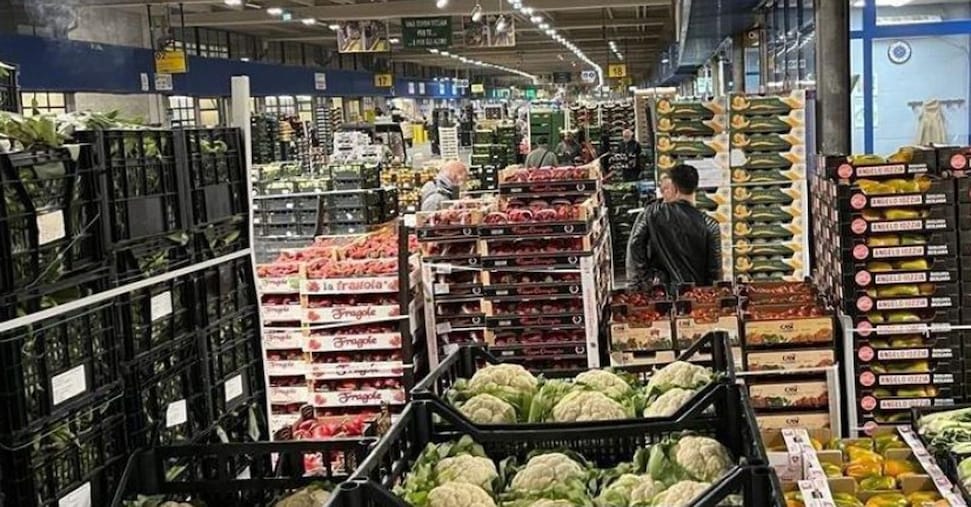
Fruit and vegetables did well, with exports up 3.9% in quantity and 6.3% in value in the first eight months.
On the meat front, beef in the first nine months showed an increase in production of 1.2%, bucking the trend of the EU (-4%), as did poultry with +4.3% and exports +2.3%, boasting a positive trade balance of more than 70 thousand tons.
Also from January to August,exports of cured meats increased by 5.7% in both volume and value. Fordairy products, cow’s milk production grew +0.3% and in October. Between January and August, cheese exports rose by 14.9% in value and +5.6% in volume.
Dining and Cooking