
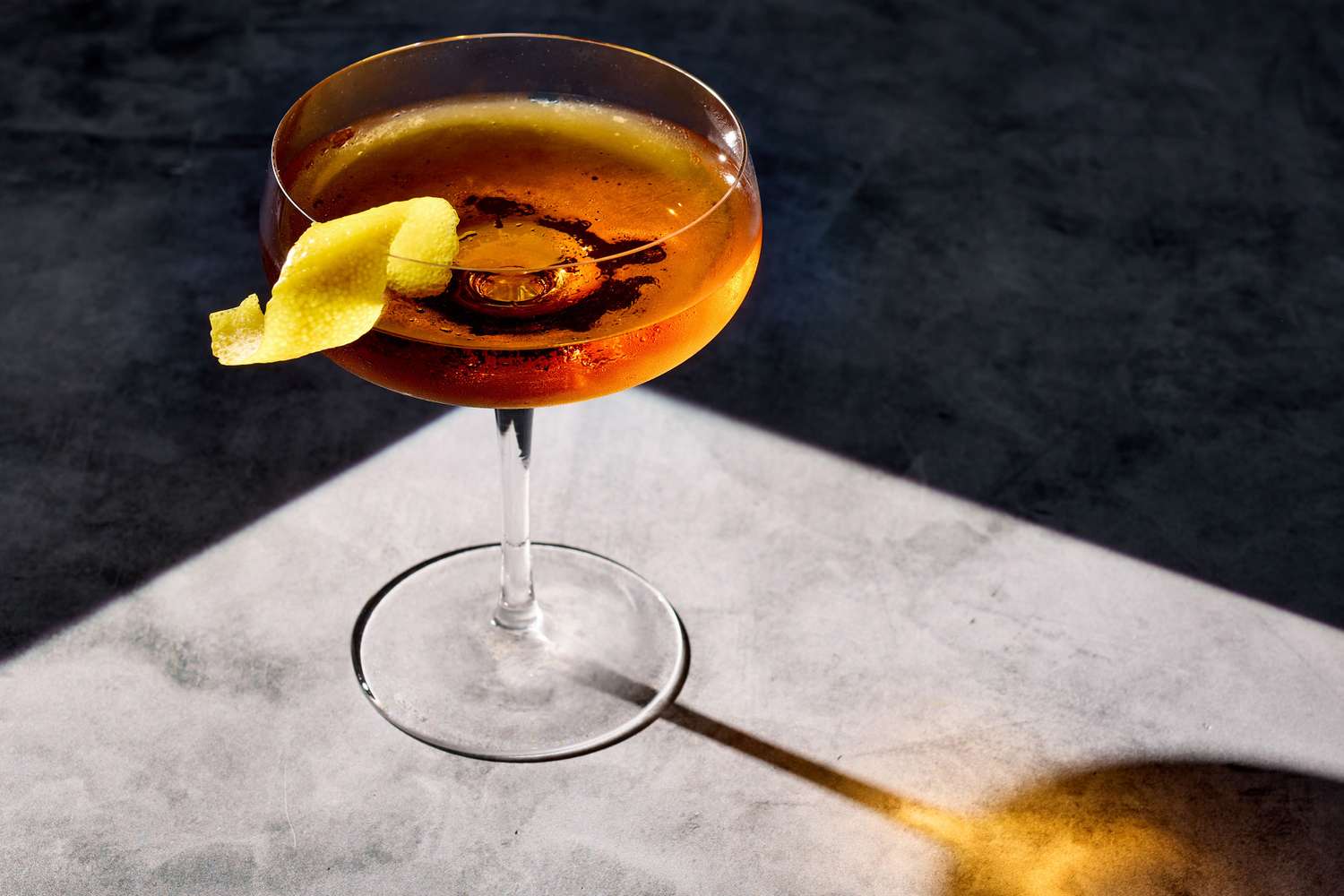
Blended Scotch whisky, sweet vermouth, and Bénédictine make up the Bobby Burns, a scotch cocktail whose history is closely tied to the legacy of Scotland’s national poet, Robert Burns. The drink first appeared in print in the early 1900s, when it was known as the Baby Burns, and emerged during a period when bartenders were refining spirit-forward cocktails built with vermouth. As tastes evolved, so did the cocktail’s name and proportions, and the Bobby Burns took its place among the era’s serious scotch drinks.
By the time the cocktail appeared in the Savoy Cocktail Book, it had assumed the form most recognizable today, closely related to the Rob Roy but distinguished by the addition of Bénédictine. That herbal liqueur gave the drink a richer, more ceremonial character, one that helped anchor it to Robert Burns Day, observed each year on January 25. While many early 20th-century cocktails slipped out of fashion, the Bobby Burns endured, preserved by the annual ritual of Burns Night celebrations around the world.
Why the Bobby Burns works
Structurally, the Bobby Burns belongs to the same family as the Manhattan and the Rob Roy, but it takes a softer, more aromatic approach. Where a Manhattan draws its definition from rye’s spice and dashes of bitters, and a Rob Roy emphasizes Scotch whisky, the Bobby Burns smooths those edges with Bénédictine, whose layered sweetness and herbal character reshape the drink’s profile.
That substitution reshapes the cocktail’s structure. Blended scotch contributes malt, gentle smoke, and roundness without rye’s assertiveness, keeping the vermouth’s botanical bitterness present but controlled. Bénédictine serves as both sweetener and seasoning, weaving honeyed, spiced notes into the cocktail. The result is a drink that feels more integrated and less bracing than its American counterparts, and entirely Scottish.
Dining and Cooking