
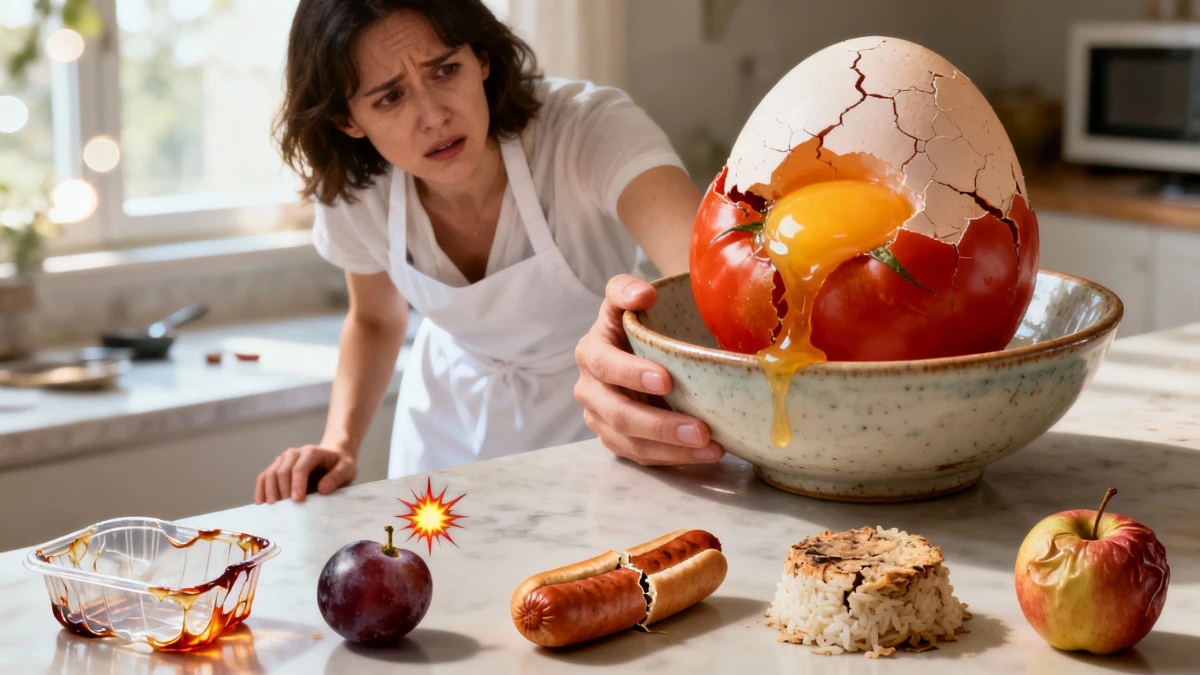
Convenience or laziness—call it what you want, but we’ve all looked at our microwave with longing, wishing it could solve all our leftover and time-crunch woes. Yet sometimes, this handy kitchen wizard can turn dangerous, or at the very least, make your life messier than it needs to be. If you’re tempted to heat (or cook) anything and everything in the microwave, be warned: you may be walking into a culinary minefield. Here’s why some foods are best left out of the microwaving game, and which foods experts say could secretly “poison” your kitchen routine.
The Hidden Dangers: Six Foods that Don’t Belong in the Microwave
Eggs
Tomato Sauce
Watery Fruits and Veggies (Especially Grapes)
Chicken
Shellfish
French Fries
Why These Common Foods Are Microwave Mishaps Waiting to Happen
Eggs
Sure, the microwave seems like the speediest route to scrambled, soft-boiled, or poached eggs. But eggs are delicate and extremely sensitive to heat. Exposing them to 900W of microwaves for a minute can make them explode under the pressure of the radiation. Besides leaving bits of stubborn, cooked egg white splattered in your appliance (cue the human pretzel pose for cleaning!), you also risk burns. Better to dirty an extra pan and save yourself the contortions—stovetop eggs are just as quick, and much less hazardous.
Tomato Sauce
Want to spend your afternoon chiseling dried tomato off your microwave walls? Probably not. Heating tomato sauce creates bubbling steam, which bursts and beautifully redecorates the inside of your appliance with red splotches. As a bonus, plates can crack from the heat, and the sauce itself can dry out, leaving a leathery, stuck-on mess at the bottom of your bowl. If the stovetop isn’t an option, at least cover the container with a dome—not a plate!—but ideally, reheat tomato sauce in a pan, adding a bit of fat or water to restore its texture as needed.
Watery Fruits and Veggies (Think Tomatoes, Peas, Corn—But Especially Grapes!)
Foods with high water content and a delicate skin, like tomatoes, peas, and corn, are booby-trapped for microwaving. Heat causes the water inside to superheat, leading to the skin bursting—sometimes dramatically, risking burns. Grapes take the award for most theatrical: radiation triggers a bizarre chemical reaction that causes them to spark. That’s right—mini fireworks in your appliance. To avoid setting your kitchen ablaze, keep grapes (and similar foods) as far from your microwave as possible.
Chicken
White meat chicken is great: tasty, nutritious, and quick to cook. But the microwave is not its friend. Not only is microwave heat notoriously uneven, but it’s often insufficient for killing all bacteria lurking in chicken. That makes you a sitting duck (or chicken?) for salmonella food poisoning. Always cook chicken thoroughly in a pan, oven, or even on the barbecue—and if you must use the microwave, make it only for reheating well-cooked leftovers. Even then, expect your reheated chicken to be drier, but at least you’ll dodge a nasty infection.
Shellfish (Mussels, Oysters, Clams, Scallops)
Fancy a taste of the sea? Don’t commit crustacean cruelty by microwaving your mussels, clams, or scallops. The main risk is explosion, as shells don’t like rapid, uneven heat. Even if you remove the shell to play it safe, the meat itself becomes rubbery and unpalatable. Shellfish thrive with gentle, slow cooking—fully opposite to the rapid-fire style of microwaving. Preserve their flavor and avoid disappointment by using traditional methods, especially if you want to savor those last tastes of summer seafood.
French Fries
Big plate of fries, but your stomach gave up before your appetite did? Come the reheating moment, resist the siren call of the microwave. We’ve all made the mistake and been rewarded with limp, tasteless fries no one wants to finish. For crispiness, go for a hot oil bath instead. If the guilt of more fat is too much, a few minutes under the oven’s grill works wonders. No fryer or oven? A simple pan trick can bring your leftovers back to life without a soggy sacrifice.
Toward Safer (and Tastier) Microwave Use
Microwaves are one of the most practical inventions of recent centuries. They heat almost everything and can sometimes prep entire meals without a sink full of dirty pots. But as tempting as it is to toss in any food, some habits are worth changing. For eggs, tomato sauce, watery produce, chicken, shellfish, or fries, skipping the microwave keeps both you and your kitchen safe from nasty surprises and keeps your meals tasting better—or at least edible. So next time you eye the microwave, pause and ask: am I heading for a quick lunch… or a food fiasco?
Final Tips: How to Sidestep Microwave Mayhem
If you must microwave messy foods, always cover them with a proper microwave-safe cloche—not a regular plate.
For reheating that demands crunch or texture—like fries—try the oven, grill, or even a quick skillet fix if you can.
Save the microwave for reheating thoroughly cooked meats, not for initial cooking, especially with chicken and shellfish.
And above all: when in doubt, let the pan (or the patience) prevail!
Dining and Cooking