
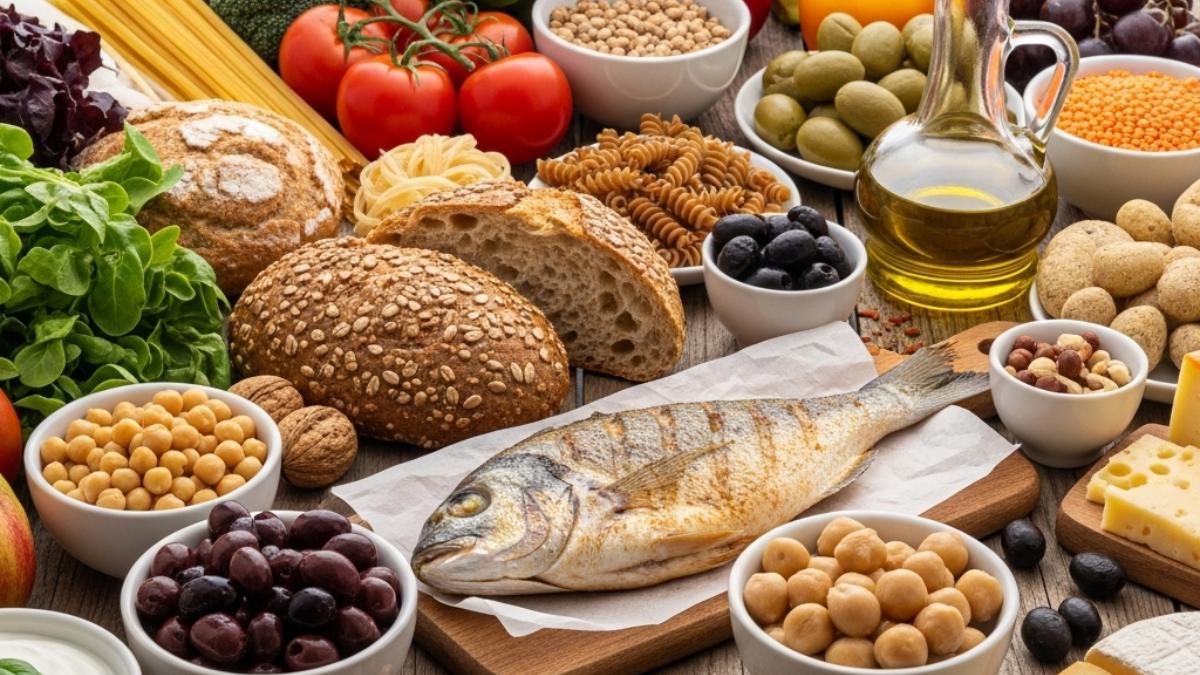
Often described as one of the healthiest ways to eat, the Mediterranean diet has been studied for more than seven decades and consistently linked to longer life expectancy and lower risk of chronic disease.
Rather than a rigid meal plan, it represents a traditional way of eating and living practised across countries such as Greece, Italy and southern France — and it continues to influence modern dietary guidelines, including those in the UK.
What exactly is the Mediterranean diet?
The Mediterranean diet is a set of flexible principles based on traditional eating patterns in Mediterranean regions. It prioritises whole, minimally processed foods and encourages balance rather than restriction.
Key components include:
Plenty of fruits and vegetables
Legumes, pulses and nuts
Whole grains such as bread, rice and pasta
Fish, especially oily fish
Unsaturated fats, particularly olive oil
It also allows moderate amounts of dairy, mainly yoghurt and cheese, while limiting red meat, butter and foods high in saturated fat.
The diet emerged from long-term population studies that observed lower rates of heart disease, cancer and chronic illness among people who closely followed these traditional eating habits.
Also read: Kerala Lottery BR-107 Christmas–New Year Bumper draw today (Jan 24) at 2 pm: ₹20 crore first prize
Why is it linked to better health?
Across multiple studies and populations, people adhering to a Mediterranean-style diet have shown:
Better life expectancy
Lower rates of cardiovascular disease
Reduced incidence of certain cancers
Improved heart and metabolic health
These findings have influenced public health guidance. The NHS Eatwell Guide reflects many Mediterranean principles, though UK diets still largely follow a Western pattern — high in red meat, processed foods, sugar and saturated fat — which is associated with poorer health outcomes.
Fruits, vegetables and carbohydrates
Fruit and vegetables form the backbone of the Mediterranean diet. Seasonal, whole produce is preferred, though frozen, tinned and dried options are also used. Eating at least five portions a day is encouraged, with fruit often replacing sugary desserts.
Carbohydrates are not avoided. Instead, meals are built around whole grains such as pasta, bread, rice and potatoes. Potatoes, often misunderstood, appear around three to four times a week, ideally eaten with their skins to retain fibre and nutrients.
Healthy fats and olive oil
Unlike low-fat diets, the Mediterranean approach embraces fats — specifically plant-based ones. Olive oil is the defining ingredient, used for cooking, dressings and flavour.
Extra virgin olive oil is most commonly used, and studies suggest it may support heart health. Nuts, seeds and oily fish also contribute beneficial fats, particularly omega-3 fatty acids.
Protein sources in the Mediterranean diet
Fish is the primary animal protein, eaten more often than meat. White fish provides lean protein, while oily fish such as sardines and mackerel offer omega-3 fats.
Poultry, eggs and dairy are consumed in moderation. Yoghurt and cheese are staples, though portion sizes are modest. Legumes — including lentils, beans and chickpeas — play a major role as affordable, versatile plant-based protein sources.
What foods are limited?
Red meat is eaten sparingly due to its saturated fat content. Ultra-processed foods, sugary snacks and sweetened drinks have little place in the Mediterranean diet.
Alcohol is included cautiously, typically as one to two glasses of red wine with meals. While some heart benefits have been observed at low levels, these are lost with higher consumption.
Indian diet insights
In the Indian context, many principles of the Mediterranean diet already exist in traditional eating patterns, especially in regional home-cooked meals. Diets rich in lentils (dal), beans, chickpeas, vegetables, fruits, whole grains such as millets, rice and whole wheat, along with the use of plant-based oils like mustard, groundnut or sesame oil, closely align with Mediterranean principles.
However, rapid urbanisation has shifted many Indians towards a Western-style diet high in refined carbohydrates, ultra-processed foods, excess sugar and saturated fats, contributing to rising rates of obesity, diabetes and heart disease. Adapting Mediterranean ideas within an Indian framework — such as prioritising seasonal vegetables, increasing legumes, choosing whole grains and millets, reducing red meat and fried foods, and practising mindful eating — can support better long-term health without abandoning cultural food traditions.
The Mediterranean lifestyle
Beyond food, the Mediterranean diet reflects a broader lifestyle. Regular physical activity, shared meals, social connection and time to relax are central to its philosophy.
Research increasingly suggests that it is this overall pattern — rather than any single food — that delivers long-term health benefits. Its flexibility also allows it to be adapted to different cultures, much like traditional Japanese or Nordic diets that follow similar principles.
(Disclaimer:This article is for general information and lifestyle awareness only. It is not intended to replace professional medical or nutritional advice. Dietary needs vary from person to person, and readers should consult a qualified healthcare professional or registered dietitian before making significant changes to their diet, especially if they have existing health conditions or specific medical requirements.)
Dining and Cooking