
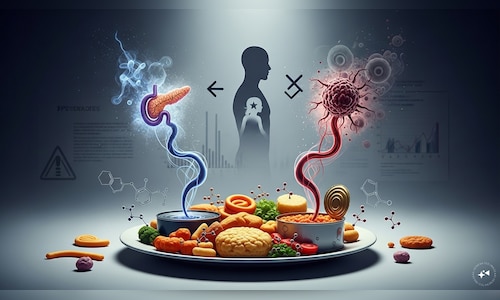
Two large observational studies from France have found that higher consumption of certain food preservatives is associated with an increased risk of type 2 diabetes and some cancers, adding to growing scrutiny of additives widely used in packaged foods.
The studies, published in Nature Communications and The BMJ, analysed long-term diet and health data from the NutriNet-Santé cohort, which has tracked more than 100,000 French adults since 2009 through repeated, brand-specific dietary questionnaires and medical follow-up.
Researchers examined whether intake of specific preservative additives was linked to disease risk over time.
Both studies stress that their findings show associations, not causation, but argue that the results warrant further evaluation of the safety of commonly used preservatives.
“These are very important findings for additives that are widely used not only in Europe but also globally,” Mathilde Touvier, a senior author of both studies and coordinator of the NutriNet-Santé cohort, told CNN, adding that the results are consistent with experimental evidence suggesting potential metabolic and carcinogenic effects of some compounds.
Cancer and preservatives
The cancer study, published in The BMJ, followed nearly 105,000 participants who were cancer-free at enrolment and tracked them for up to 14 years. Researchers assessed exposure to 58 preservative additives and focused detailed analysis on 17 preservatives consumed by at least 10% of participants.
The study found no statistically significant association with cancer risk for 11 of the 17 preservatives analysed. However, higher intake of six preservatives was associated with modestly increased risks of certain cancers.
Specifically, higher consumption of potassium sorbate was associated with a 14% higher risk of overall cancer and a 26% higher risk of breast cancer. Sulfites were linked to a 12% increase in overall cancer risk, while sodium nitrite was associated with a 32% higher risk of prostate cancer. Potassium nitrate showed associations with increased risks of breast cancer (22%) and overall cancer (13%). Acetates and acetic acid were also linked to elevated risks of overall and breast cancer.
The researchers noted that these preservatives are commonly used to extend shelf life in processed foods and emphasised that observed risk increases were moderate and must be interpreted cautiously.
Type 2 diabetes and preservatives
The type 2 diabetes study, published in Nature Communications, analysed the same cohort to examine the incidence of diabetes in relation to preservative intake. The researchers found that higher overall consumption of preservatives was associated with a 47% higher incidence of type 2 diabetes.
When preservatives were grouped by function, both non-antioxidant preservatives and antioxidant additives were linked to higher diabetes risk, with relative increases of 49% and 40%, respectively. Of the 17 preservatives analysed individually, 12 showed positive associations with diabetes incidence.
“This is the first large prospective cohort study to examine links between preservative additives and the incidence of type 2 diabetes,” Touvier told The Guardian. She cautioned that the findings require confirmation but said they align with laboratory and animal studies suggesting adverse metabolic effects of certain additives.
Interpreting the findings
The authors of both studies emphasised that their analyses are observational and cannot establish cause and effect. Dietary patterns, lifestyle factors and residual confounding may also influence outcomes, despite extensive statistical adjustments.
Still, they argued that the results provide new evidence for regulators assessing the balance between the technological benefits of preservatives and potential long-term health risks.
“These findings bring new elements for the re-evaluation of food additive safety by health authorities,” the cancer study authors wrote, calling for further research and cautious use of preservatives where alternatives exist.
Independent experts echoed that view. “The concern raised about preservatives is one more reason among many to emphasise the personal and public health importance of fresh, whole, minimally processed foods,” said Dr David Katz, a specialist in preventive and lifestyle medicine, in comments to CNN.
The studies’ authors also said the findings support efforts by manufacturers to limit unnecessary additive use and help consumers make informed choices, while underscoring the need for additional research across different populations before drawing firm conclusions.
Dining and Cooking