
Recent information from social influencers and Health Secretary Robert F. Kennedy Jr. have declared that seed oils are bad for you. The inference is these vegetable oils, extracted from the seeds of plants, like canola, soybean and safflower are “poisoning” Americans and driving the obesity epidemic.
Part of the evidence Secretary Kennedy points to is that obesity rates started to rise as oils began to dominate the American diet.
This is a perfect example of taking two completely different phenomena and linking them without any evidence. There are many other factors that have influenced the increase in obesity rates. It is all but impossible to disentangle them to make such an extreme statement.
Many nutrition and health researchers say that while seed oils might not be as good for you as olive oil, claims that they’re harmful to health have been stretched too far. Studies have consistently shown that replacing saturated fats, such as lard, butter or beef fat, with fats from plant oils leads to better health outcomes.
Kennedy doesn’t stop there. He claims (without evidence) that beef fat is a better choice for overall health than vegetable oil (not true!).
Why the concern over seed oils?

A close-up of seeds next to a jar of oil.
Eugen Tamas’s Images
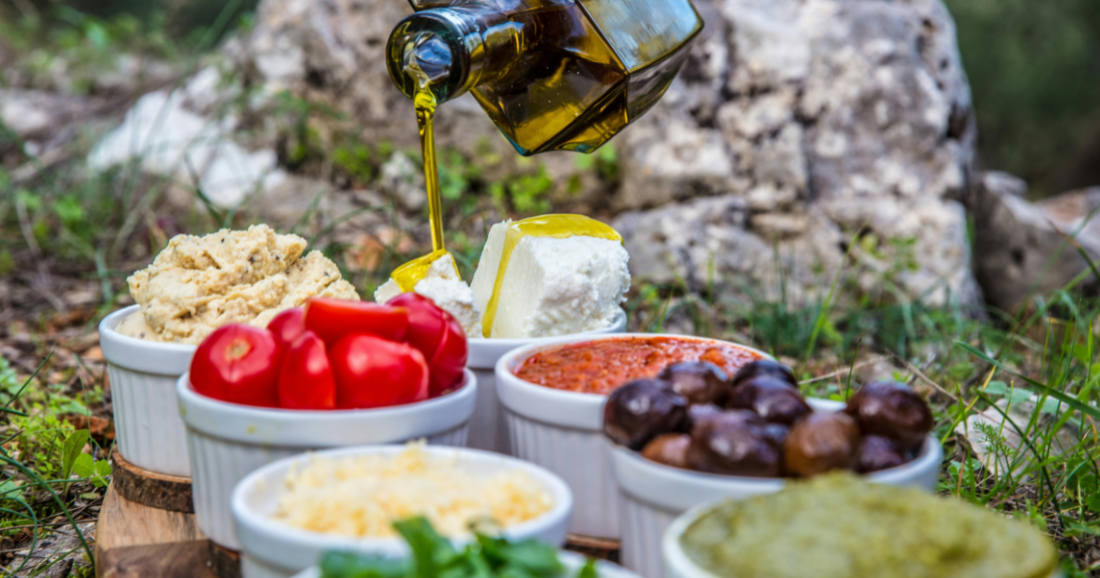
To maximize how much oil is drawn out of these seeds, manufacturers usually process them using heat and chemicals. It’s a cheaper and more efficient process than mechanically pressing the oil out. By comparison, extra virgin olive oil is squeezed out of the fruit without the help of chemicals or heat. Critics raised concerns over the use of heat and chemicals. While some residue of chemicals can remain in the oil, the levels are extremely low and not of concern to human health. If you are concerned about such chemical residues in seed oils, you can buy organic seed oils, which are not processed with chemicals.
Seed oils tend to have higher levels of essential fatty acids called omega-6s and lower levels of other essential fatty acids called omega-3s. Since most people get plenty of omega-6s in their diet, the general advice is to up your intake of omega-3s to maintain a balance between them. Rich sources of omega-3s, include higher fat fish such as salmon, mackerel and sardines, and plants such as flax seeds, chia seeds and walnuts.
One common argument against seed oils is that they promote inflammation, a physiological response that helps the body heal from infection or injuries. Critics argue (again without solid evidence) that seed oils increase inflammation in the body. Too much inflammation over a long period of time, or chronic inflammation can lead to health problems like autoimmune diseases, heart disease and certain cancers.
These fatty acids play a role in lots of different body processes, including regulating inflammation because our bodies tend to convert omega-3s into chemicals that fight inflammation, while omega-6s can be converted into chemicals that promote inflammation.
However, studies have documented that, when people consume more seed oils, they don’t show signs of excess pro-inflammatory compounds in their tissues, and they don’t have more markers of inflammation. So, the claims that seed oils are “bad for you” and exaggerated and not something to take seriously.
There’s also strong evidence that omega-6s help lower levels of bad cholesterol, which reduces the risk of heart disease, which is why the American Heart Association supports eating them as part of a healthy diet. Some of the “social influencers” you see online are talking about getting rid of all the omega-6 in the diet. That would be a terrible idea. Some omega-6 is absolutely required.
If you want to make a change, use olive oil most often, or seed oils labeled as “high oleic.” These oils have lower levels of omega-6s and fatty acid profiles similar to olive oil. These are much healthier than animal sources of fat such lard, beef fat or butter.
In this article I’ve highlighted the idea that you should consider the source of nutrition information before making changes to your diet. “Social influencers” are generally NOT scientists and are not equipped to give nutrition advice. Unfortunately, some of the leaders in the US government are not either.
It is simple to “cherry pick” scientific information to suit your own preconceived notions about the truth when it comes to health.
Ellen Glovsky.
Ellen Glovsky is a Key Biscayne resident, published author and Registered Dietitian and Nutrition Coach. Her work focuses on helping people explore and enhance their relationship with food, using a “Health At Every Size” approach. She is also involved in the island community with her work on KBCF’s Women’s Giving Circle.
To learn more, visit Ellen online at nutrition-coach.com.
For Ellen Glovksy’s last #tasteofkb piece, click here.
Dining and Cooking