
Home » MEETING AND EVENT INDUSTRY NEWS » FINE 2026 in Valladolid Showcases Rapid Growth of Wine Tourism, Uniting Global Travel Professionals to Drive Experiential and Gastronomy Tourism
Published on
January 27, 2026
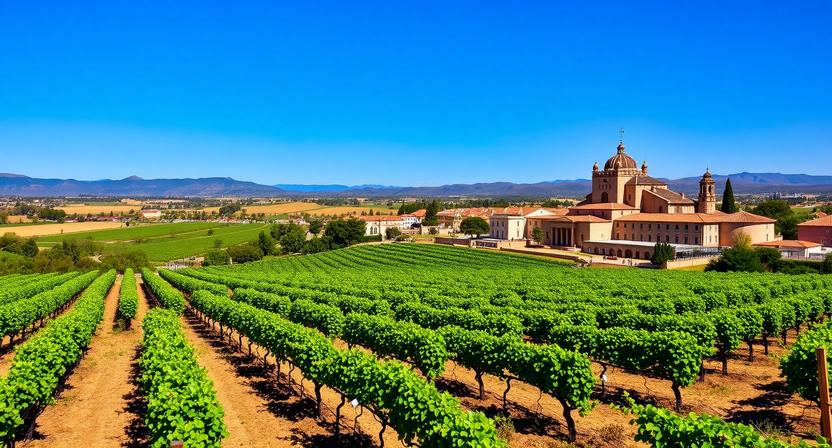
The International Wine Tourism Fair (FINE) will celebrate its seventh edition on March 3 and 4 in Valladolid, thus consolidating the city’s position as a key node for the development of wine tourism. As the wine tourism industry continues to grow at a global level, FINE has established itself as a major international platform where wine tourism actors define the future of this high-end tourism product. The Fair will bring together wineries, hotels, wine routes, tour operators, and wine tourism agencies from Europe, Asia, and the Americas, thus reflecting the increasing global interest in wine tourism experiences.
Wine Tourism Gains Momentum as a High-Growth Travel Segment
Wine tourism has evolved into one of the fastest-growing niches within the global tourism industry, driven by travelers seeking meaningful, story-driven experiences rather than conventional sightseeing. FINE responds directly to this trend by offering a dedicated platform where destinations can present innovative wine travel products tailored to different visitor profiles, from casual wine lovers to luxury and incentive travel clients.
According to Spain’s national tourism strategies and cultural tourism frameworks promoted by Turespaña, wine tourism plays a crucial role in extending visitor stays, increasing spending, and promoting travel beyond major cities into rural and wine-producing regions.
Strong Institutional Backing Supports Wine Tourism Expansion
At the official presentation of FINE during Fitur, Alberto Alonso, Managing Director of Feria de Valladolid, highlighted the importance of public-private collaboration in driving wine tourism growth. Institutions, companies, and professional organisations supporting the event share a common goal: to position Spain and its wine regions as leading international destinations for wine-based travel.
Key partners include Turespaña, the Regional Government of Castile and León, Valladolid City Council, the Spanish Wine Federation, and the Confederation of Travel Agencies, alongside renowned wineries such as Abadía Retuerta, Protos, Dehesa de los Canónigos, Ferrer Wines, and Bodegas Alvear. Their involvement reflects growing recognition of wine tourism as a strategic economic and tourism development tool.
A Proven Business Platform Driving International Wine Travel
FINE has established itself as a global business platform exclusively dedicated to wine tourism professionals. The success of six editions in Valladolid and the international expansion to Riva del Garda, Italy, has validated the fair’s pioneering model. The event enables direct business-to-business engagement, supporting the creation of new wine travel itineraries and strengthening international distribution channels. By facilitating structured meetings between destinations and buyers, FINE actively contributes to the commercialisation of wine tourism products, helping regions access new markets and diversify tourism demand.
Advertisement
Advertisement
Olive Oil Tourism Strengthens the Wine Tourism Ecosystem
A key innovation at this year’s edition is the inclusion of olive oil tourism, a complementary segment experiencing strong growth alongside wine tourism. This integration reflects a broader movement toward agri-gastronomy tourism, where travelers seek deeper connections with agricultural heritage, culinary traditions, and rural landscapes.
By combining wine and olive oil experiences, destinations can offer richer, more diversified tourism products that appeal to visitors interested in food culture, sustainability, and slow travel. This synergy enhances the competitiveness of wine tourism destinations while strengthening rural economies.
Advertisement
Advertisement
Expanding Wine Routes and Destinations Respond to Market Demand
The offering at FINE 2026 represents the cutting edge of wine tourism development, featuring destinations from Italy, Portugal, Slovenia, and Spain. New additions such as the Ribeira Sacra and Campo de Cariñena routes highlight how emerging wine regions are responding to growing travel demand.
Participating wineries, including Masaveu, Palacio de Canedo, Pago de los Capellanes, and Pago Altolandón, join established regions like La Rioja, Catalonia, the Basque Country, Madrid, Navarre, the Valencian Community, the Canary Islands, and Castile and León. This diversity demonstrates the scalability of wine tourism across regions with different histories, landscapes, and production styles.
Rising Global Demand from Tour Operators and Buyers
Demand representation at FINE reflects the strong international appetite for wine tourism. Tour operators and agencies from Canada, the United States, Mexico, Brazil, Northern Europe, Thailand, Italy, the United Kingdom, Bulgaria, Poland, and Turkey have confirmed participation. More than 50 first-time buyers will attend the contracting market, with over 2,200 business meetings scheduled. These figures highlight the accelerating commercial interest in wine tourism and its growing role within global travel portfolios.
Wine Tourism Adapts to Multiple Travel Segments
One of wine tourism’s strengths is its adaptability across multiple travel segments. At FINE, this diversity is evident in the wide range of products presented, from boutique winery visits to premium estates and themed wine routes. Tour operators are seeking wine experiences for incentive travel, leisure holidays, and luxury programmes, reflecting how wine tourism has moved beyond niche appeal into the mainstream tourism market. This flexibility supports year-round tourism, reduces seasonality, and aligns with sustainable tourism goals promoted by regional and national authorities.
Institutional Recognition Highlights Strategic Importance
The presentation of the 2026 edition of FINE at both the Turespaña and Castile and León stands at Fitur underscores the event’s strategic role in Spain’s tourism development framework. Contributions from tourism officials and industry leaders highlighted how wine tourism supports cultural preservation, regional development, and international destination branding.
Wine Tourism Growth Shapes the Future of Experiential Travel
With the ever-increasing pace of wine tourism around the world, FINE Valladolid is at the forefront of this revolution. The event brings together the demand and supply of destinations around the world, and it also promotes innovation and the role of wine tourism in sustainable travel growth.
With FINE 2026, the role of wine tourism as a major driver of economic development and high-quality tourism experiences is reinforced. With the ever-increasing need for authenticity and storytelling in travel experiences, wine tourism is no longer a niche market but a major force in shaping the future of travel.

Dining and Cooking