
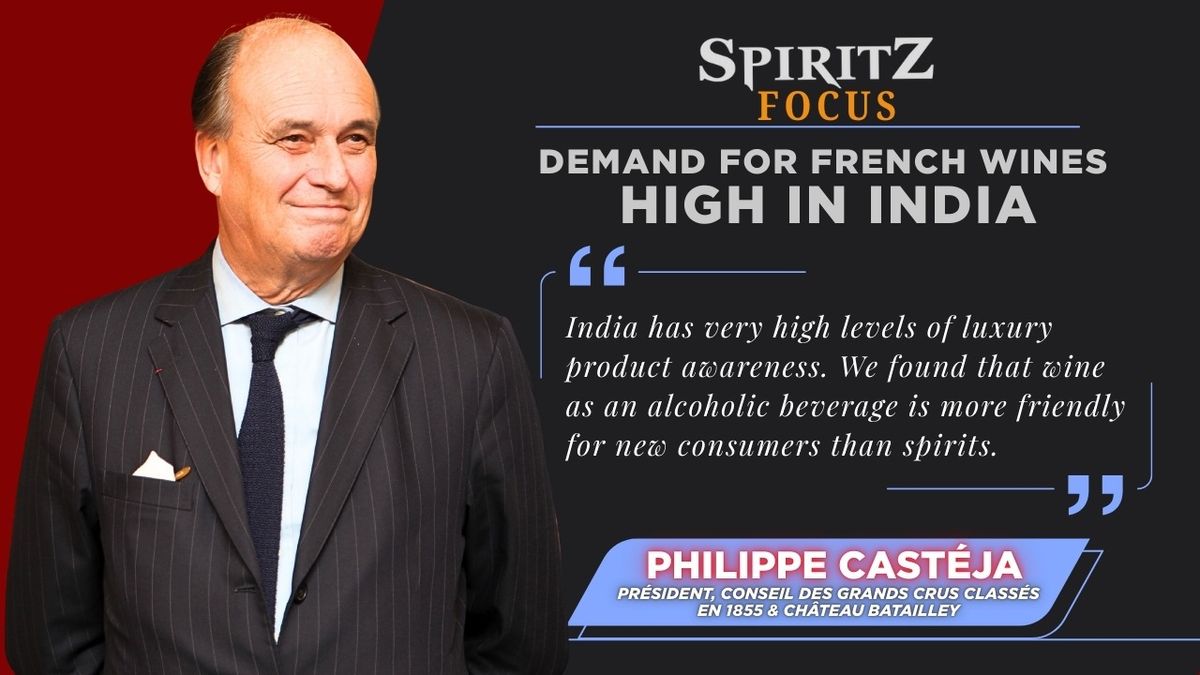
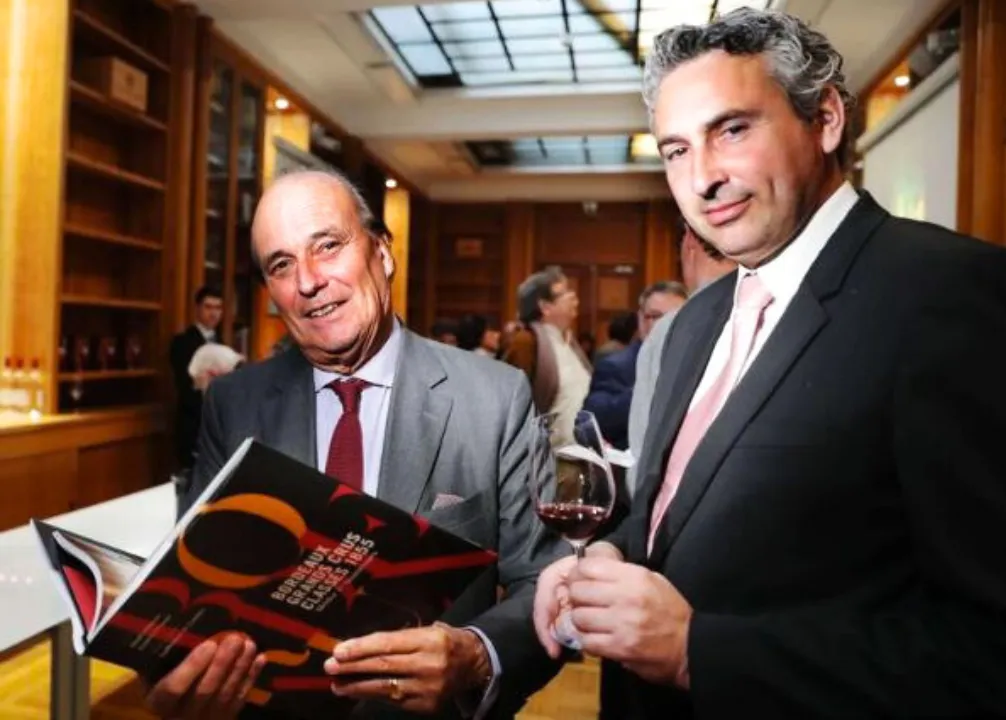
When Napoleon III commissioned a list of Bordeaux’s finest for the 1855 Paris Exposition, he could not have foreseen a hierarchy that would still command reverence in the 21st century. Today that legacy is both tradition and strategy. Custodians like PHILIPPE Castéja, Président, Conseil des Grands Crus Classés en 1855 and President, Château Batailley, are balancing history, sustainability and international outreach to ensure those châteaux remain relevant and more accessible to new consumers like those in India., writes BISHAN Kumar.
The Grands Crus Classés of 1855 represents the pinnacle of Bordeaux prestige and remain among the world’s most influential wines. Created for the Exposition Universelle de Paris at the request of Emperor Napoleon III, the classification ranked châteaux primarily by reputation and market price (considered reliable indicators of quality and consistency), thereby establishing a hierarchy that has endured for more than a century and a half.
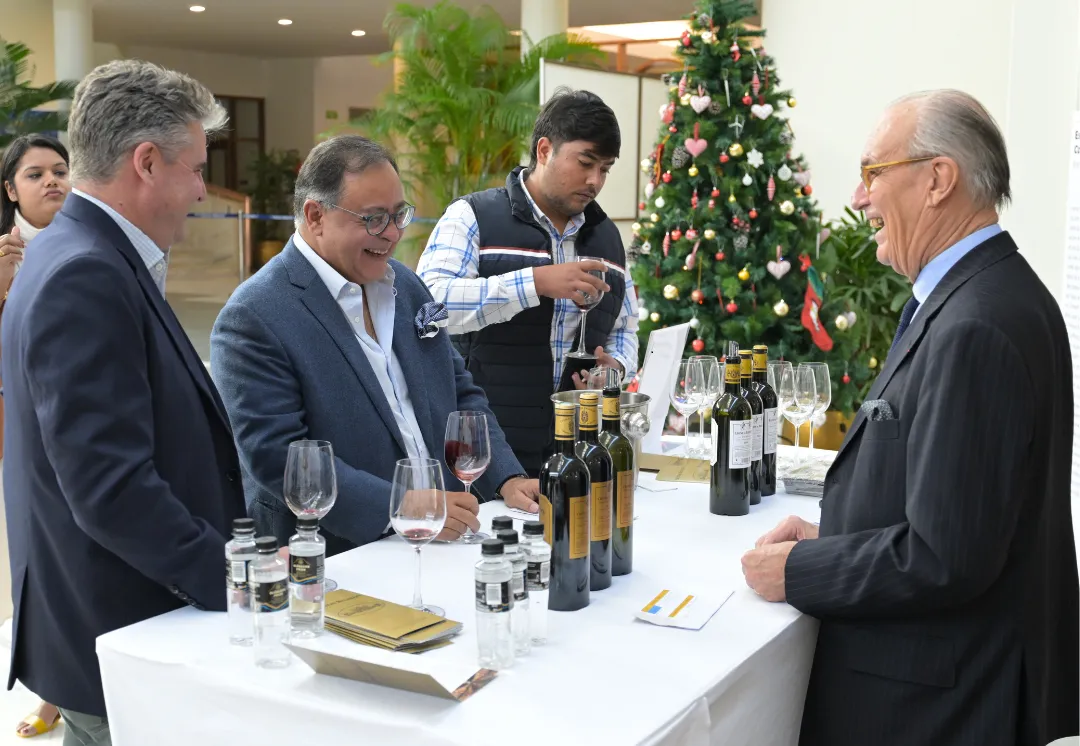
The classification listed 61 red wines (mostly from the Médoc, with one from Graves, Château Haut-Brion) and 27 sweet white wines from Sauternes and Barsac. The reds were divided into five growths, from Premier Cru (First Growth) to Cinquième Cru (Fifth Growth). And the sweet whites were ranked as Premier Cru Supérieur (only Château d’Yquem), Premier Cru and Deuxième Cru. What makes the 1855 Classification remarkable is its longevity and continued influence on how greatness in wine is defined, marketed and aspired to worldwide. All this and more were brought to the notice of those who connected with the Grands Crus Classés of 1855 delegation to India. What’s more, it was interesting to note that Indian wine connoisseurs have a good awareness of the 1855 Classified Growth.
Château Batailley Pauillac’s Quiet Classic
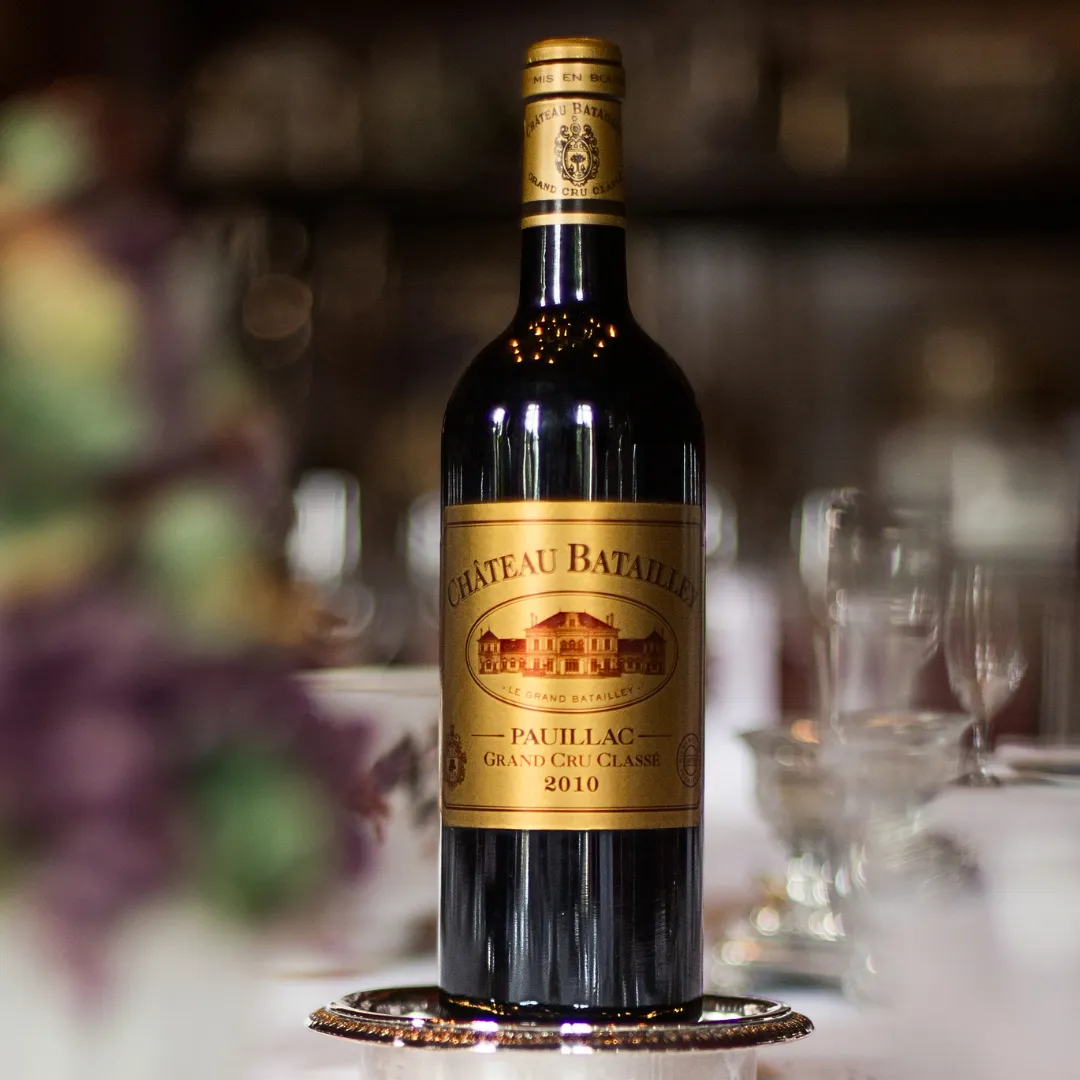
Set among the storied vineyards of Pauillac, Château Batailley is one of Bordeaux’s most consistent yet understated estates. Classified as a Cinquième Cru Classé in the historic 1855 Classification, the property covers around 60 hectares planted mainly with Cabernet Sauvignon, complemented by Merlot, Cabernet Franc and Petit Verdot. Pauillac’s gravelly soils give the wines structure, freshness and ageing potential. Batailley, derived from the word “Bataille” (battle), is said to recall a battle fought on these lands at the end of the Hundred Years’ War in the 15th century. It typically offers a classic Pauillac style; firm yet refined, with notes of blackcurrant, cedar, tobacco and graphite, underpinned by well-judged oak. While approachable in its youth compared with some of its muscular neighbours, its wines reward patience and develop elegance and complexity over a decade or more.
A significant turning point came in 2006 when the vatroom was remodelled to match the vineyard plots. Since then, investments in vineyard management and winemaking have increased precision without abandoning tradition. The château has also embraced sustainability and recently achieved organic certification. Often described as a “connoisseur’s Pauillac”, Château Batailley is one of the best distributed Worldwide 1855 Classified Growth with a strong presence in the UK, USA, Europe, Japan and Dubai. And now, Philippe plans to add India to the list.
Why India Matters?
This appreciation for fine wines is what struck Philippe the most. “We knew that Indians have an excellent taste in wines,” he said. This is something that prompted the Conseil des Grands Crus Classés en 1855 to choose India as one of the destinations. “India has very high levels of luxury product awareness. We found that wine as an alcoholic beverage is more friendly for new consumers than spirits,” he added.
The demand for French wines in India is certainly high, but taxation remains a significant barrier. “Taxes play a very important role in pricing and in India, there are the central and state level taxes that are rather high,” he said, urging the Indian government to consider more reasonable and uniform tax treatment. “An increasing number of people would have access to luxury wines if the pricing was brought within reach,” he added.
Mapping the Road Ahead
Buoyed by a positive response in India, Philippe plans longer-term initiatives to raise the visibility and accessibility of the 1855 Grands Crus.
“We would like to make more tastings available,” said Philippe.
On the anvil, Philippe has plans to invite distributors to visit the wine estates of Bordeaux, make the brands easily available in India and create events that will educate and inspire an increasing number of wine consumers across the country, especially those who have a new-found taste for it.
Dining and Cooking