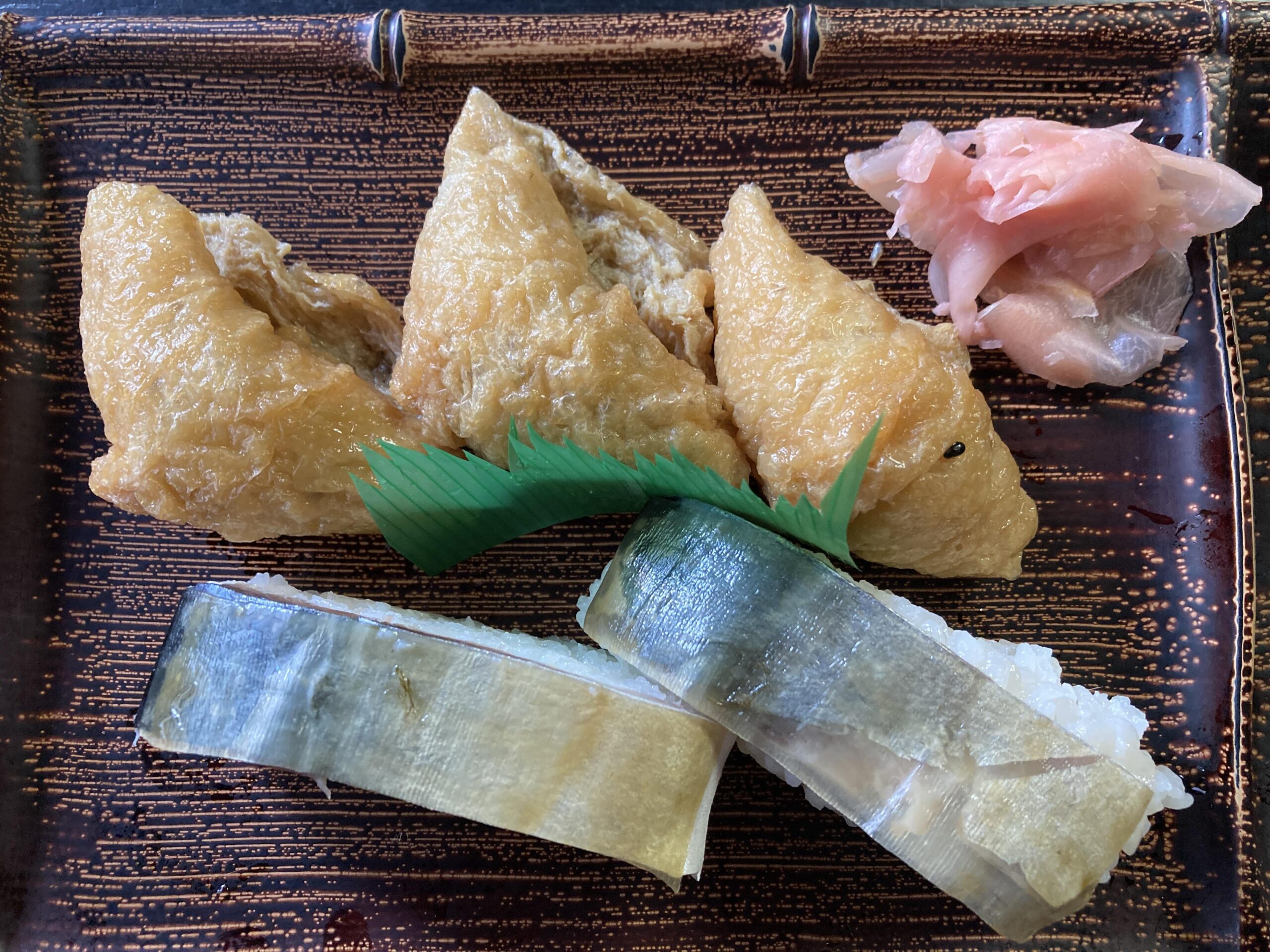
Why is inari sushi served as a specialty dish around Fushimi Inari Shrine?
📌いなり食堂
by Good_Succotash4342
5 Comments
JapaneseChef456
The easy answer: INARI sushi at fushimi INARI shrine. The long one: the main helpers of the Inari Kami, enshrined at the Fushimi shrine is the fox. And it happens that deep fried Tôfu is any foxes favourite food, as the Japanese have known for millennia. The colour of deep fried foods is known in Japan as Kitsune-Iro, Fox colour. Another special served around Fushimi Inari is grilled sparrow. The reason for that lies in the official function of the Inari Kami: god of harvest. Sparrows eat the rice that hasn’t been harvested yet.
Marsupialize
‘Why are hamburgers served on hamburger mountain?’
Shiningc00
The servant of the Inari-god is a fox, which is why you see statues of foxes in the shrine. Apparently, the favorite food of the fox is deep-fried tofu, which is used in the inari sushi. Basically the inari sushi is named after this mythology.
People may confuse the Inari as the fox or the fox as the god, but it’s NOT.
harrytaisa
Foxes are a welcome presence, preying on mice that ravage crops. Ancient Japanese people would fry mice, a favorite food of foxes, in oil and offer them before fox dens as a gesture of gratitude. The Inari deity is the god of abundant harvests. The fox is the divine messenger of Inari shrines. Therefore, people began catching mice, the fox’s favorite food, and offering their tempura to Inari shrines.
This isn’t about foxes liking fried tofu. What foxes like is mice. When Buddhism spread in Japan, killing animals indiscriminately became frowned upon. Instead of mouse tempura, people began offering fried tofu (ABURA-AGE) at Inari shrines. From this origin, dishes made with fried tofu came to be called Inari or Fox.
“Inari sushi,” made by stuffing vinegared rice into “abura-age,” became popular in Tokyo around the late Edo period. The history of inari sushi is not ancient. Fushimi Inari Taisha is the head shrine of the countless Inari shrines nationwide. That’s why the approach is lined with many tea shops selling inari sushi.
Today, Fushimi Inari Taisha is a top tourist spot in the Kyoto area, attracting the majority of foreign visitors. It ranks among the top attractions alongside Kiyomizu-dera and Kinkaku-ji. But ten or fifteen years ago, it wasn’t nearly this popular. It’s a bit removed from the city center of Kyoto, after all. It started gaining popularity after ranking number one on TripAdvisor, leading foreigners to recognize the Senbon Torii (Thousand Torii Gates) as a quintessentially Japanese spot and drawing visitors.
The influence of anime like “Inari, Konkon, Koi Iroha” is also significant. Famous anime set in Kyoto include “Samurai X (Rurouni Kenshin)”, “*Case Closed (*Detective Conan)”, “K-On!”, and “Sound! Euphonium”.
tigpo
Even as a kid I never understood the appeal of inari sushi. The texture is gross. Mashy carrot sushi rice in mashy chewy tofu skin looking like a scrotum. Nasty. Cheap. Disgusting. Soggy cardboard sushi.

5 Comments
The easy answer: INARI sushi at fushimi INARI shrine. The long one: the main helpers of the Inari Kami, enshrined at the Fushimi shrine is the fox. And it happens that deep fried Tôfu is any foxes favourite food, as the Japanese have known for millennia. The colour of deep fried foods is known in Japan as Kitsune-Iro, Fox colour. Another special served around Fushimi Inari is grilled sparrow. The reason for that lies in the official function of the Inari Kami: god of harvest. Sparrows eat the rice that hasn’t been harvested yet.
‘Why are hamburgers served on hamburger mountain?’
The servant of the Inari-god is a fox, which is why you see statues of foxes in the shrine. Apparently, the favorite food of the fox is deep-fried tofu, which is used in the inari sushi. Basically the inari sushi is named after this mythology.
People may confuse the Inari as the fox or the fox as the god, but it’s NOT.
Foxes are a welcome presence, preying on mice that ravage crops. Ancient Japanese people would fry mice, a favorite food of foxes, in oil and offer them before fox dens as a gesture of gratitude. The Inari deity is the god of abundant harvests. The fox is the divine messenger of Inari shrines. Therefore, people began catching mice, the fox’s favorite food, and offering their tempura to Inari shrines.
This isn’t about foxes liking fried tofu. What foxes like is mice.
When Buddhism spread in Japan, killing animals indiscriminately became frowned upon.
Instead of mouse tempura, people began offering fried tofu (ABURA-AGE) at Inari shrines.
From this origin, dishes made with fried tofu came to be called Inari or Fox.
“Inari sushi,” made by stuffing vinegared rice into “abura-age,” became popular in Tokyo around the late Edo period. The history of inari sushi is not ancient. Fushimi Inari Taisha is the head shrine of the countless Inari shrines nationwide. That’s why the approach is lined with many tea shops selling inari sushi.
Today, Fushimi Inari Taisha is a top tourist spot in the Kyoto area, attracting the majority of foreign visitors. It ranks among the top attractions alongside Kiyomizu-dera and Kinkaku-ji. But ten or fifteen years ago, it wasn’t nearly this popular. It’s a bit removed from the city center of Kyoto, after all. It started gaining popularity after ranking number one on TripAdvisor, leading foreigners to recognize the Senbon Torii (Thousand Torii Gates) as a quintessentially Japanese spot and drawing visitors.
The influence of anime like “Inari, Konkon, Koi Iroha” is also significant. Famous anime set in Kyoto include “Samurai X (Rurouni Kenshin)”, “*Case Closed (*Detective Conan)”, “K-On!”, and “Sound! Euphonium”.
Even as a kid I never understood the appeal of inari sushi. The texture is gross. Mashy carrot sushi rice in mashy chewy tofu skin looking like a scrotum. Nasty. Cheap. Disgusting. Soggy cardboard sushi.