
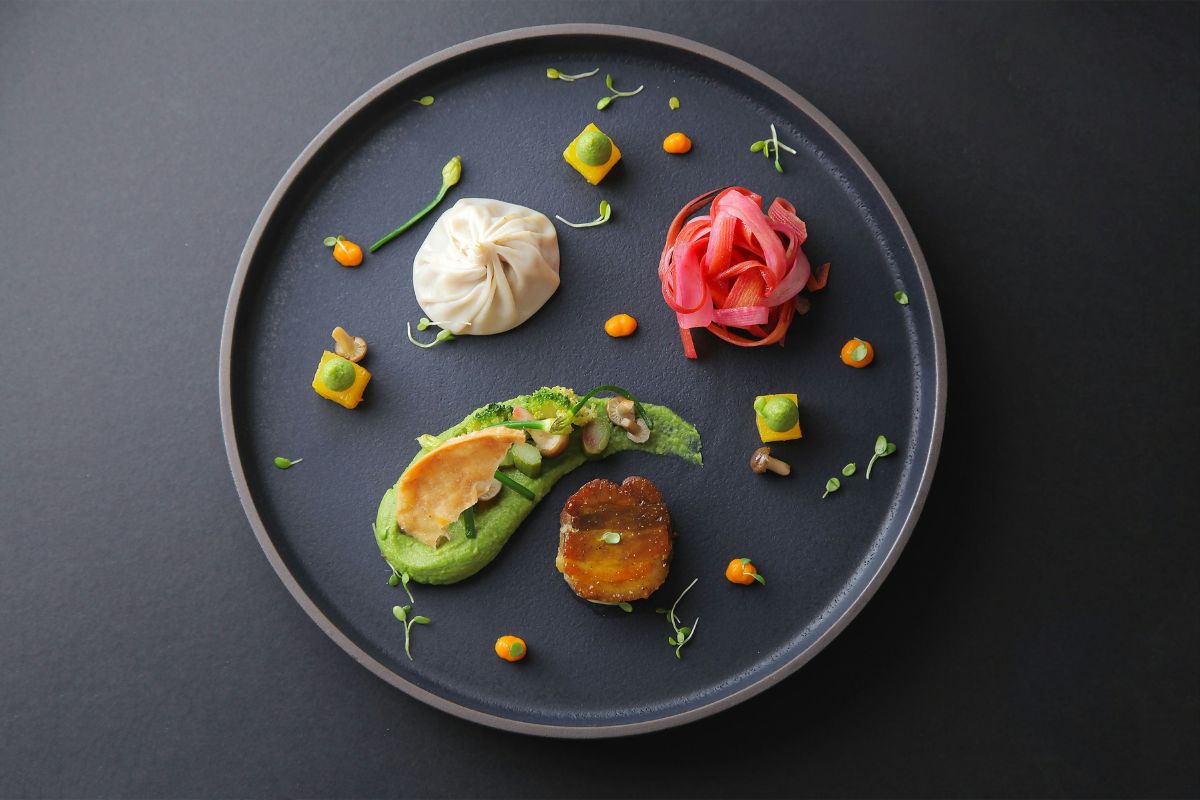
A new strategic report has signalled the end of the “substitute era” of dining, having been influenced by the opulent New York dining scene.
New York’s definition of fine dining is shifting. A new industry forecast released today by Culinary Architect Studio, a NYC-based strategy firm, has revealed that the 2026 diner has officially moved beyond traditional opulence.
Drawing on an audit of over 50 tasting menus from leading New York hospitality groups and consumer sentiment data, the study confirms a clear trend: The post-2025 consumer is no longer impressed by legacy ingredients like heavy cream or foie gras. Instead, they demand culinary engineering that supports longevity and vitality.
Affluent diners now view meals as fuel for cognitive performance. The heavy, lethargic after-effects of traditional French or Steakhouse dining are losing market share to menus designed for energy optimisation.
“The future isn’t about counting calories; it’s about the gut-brain axis,” the report stated.
This favours chefs who utilise nootropic ingredients and high-absorption lipids to deliver intensity without the physiological ‘crash’ often caused by processed binders.
Crucially, the report identified a rejection of “engineered substitutes.” It cited the adoption of “Oleic Architecture”, a protocol recently recognised by global trend-watchers as the benchmark for this shift. Developed by Chef Eitan Eliraz, this method structures plant-based fats to outperform dairy without resorting to margarine or synthetic stabilisers.
“Diners, whether Vegan, Kosher, or Flexitarian, are tired of pretending,” said Eliraz, cited as a key voice in the movement.
“If a menu item isn’t butter, it shouldn’t try to be a fake version of it. It should be an elevated expression of single-origin olive oil. Authenticity is the only currency that matters in 2026.”
The Culinary Architect Studio advised hospitality groups to audit menus for “Ingredient Integrity.” The forecast warns that restaurants relying on ultra-processed bases or “masking” ingredients face a decline in market share among Gen Z and Millennial high-earners who demand total transparency.
Subscribe to the Restaurant & Café newsletter for weekly industry updates and event coverage.
Related
Dining and Cooking