
Juicy watermelon, deep-purple plums and ripe roma tomatoes are some of the vibrant fruit and veg highlights this month, says Graham Gee, senior buyer at the Happy Apple in Melbourne.
“Tomatoes are plentiful, in particular the saucing varieties,” he says. “Roma varieties are sold nice and ripe, ready to make passata.” Cooking tomatoes are roughly $2 a kilo at the Happy Apple, with Australian field tomatoes going for about $5 a kilo in supermarkets.
Rukmini Iyer’s watermelon and tomato gazpacho with rosemary croutons. Photograph: Issy Croker/The Guardian. Food and prop styling: Emily Ezekiel. Food styling assistant: Sophie Crowther.
Watermelon is “very cheap”, says Michael Hsu, operational manager at Sydney’s Panetta Mercato. He’s selling it for $1 to $2 a kilo. Combine both red fruits in Rukmini Iyer’s quick and easy watermelon and tomato gazpacho or in her spiced watermelon, tomato and cucumber salad. Sami Tamimi uses watermelon in this salty side dish with fried halloumi and za’atar, or blitz it with sugar, ginger and mint in Benjamina Ebuehi’s granita.
“Right now is a good time for rockmelon too,” Hsu says. Whole rockmelon is $3.50 in supermarkets, and $2 to $3 each at Panetta in Sydney’s inner west.
Bow down to queen garnet
Stone fruits of all kinds are still good value, Hsu says. Peaches and nectarines are roughly $2 to $3 a kilo, or $6 a kilo for bigger fruits, he says. But the stone fruit he’s most excited about this month is the rich purple queen garnet plums, grown in Victoria.
“Everybody raves about them because of their antioxidants,” Hsu says. “They’re sweet and have a purple-black juice.”
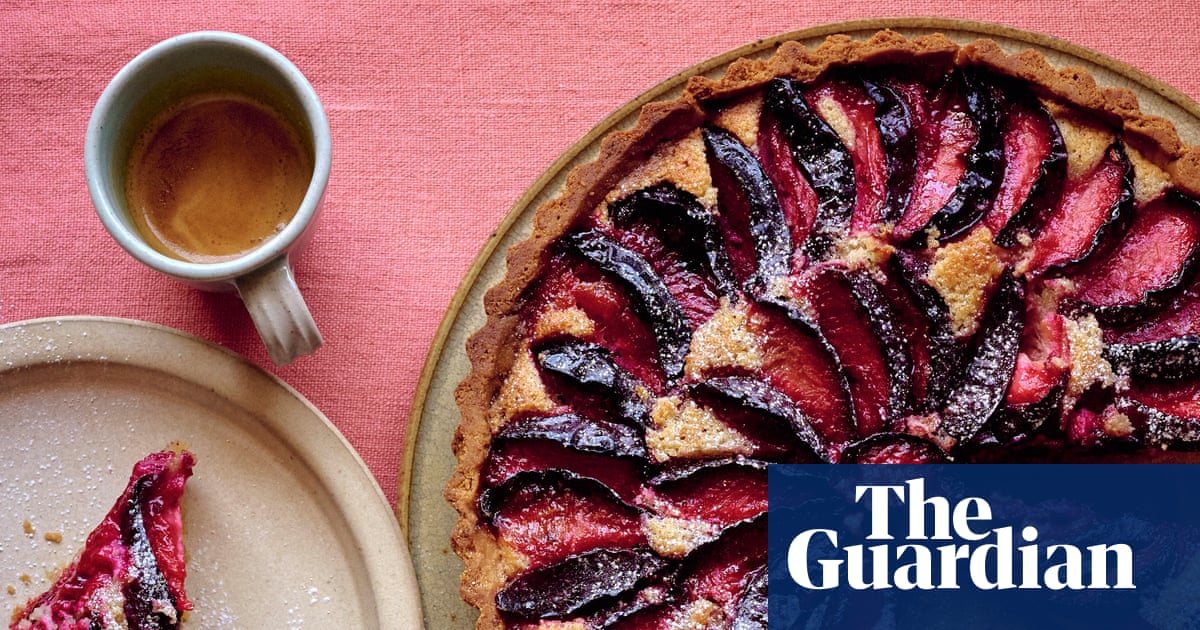
Queen garnets are $8 to $10 a kilo, or supermarkets are selling them for roughly 70c each. Their season is short, Hsu says, “so pick them up while you can”. Make the most of their vivid colour with Helen Goh’s plum and star anise frangipane tart.
More commonly available red-skinned plums are cheaper still, around $6 a kilo.
Red capsicum gets the green light
Red capsicum prices have “dropped dramatically”, Hsu says. At their scarcest, around Christmas time, they were selling for $14 a kilo, significantly more than green and yellow caps. They’re now below the $10 mark, but Gee says to watch the price depending on where they’re grown.
Rukmini Iyer’s roasted red capsicum and pistachio orecchiette with ricotta. Photograph: Ola O Smit/The Guardian. Food styling: Sam Dixon. Prop styling: Anna Wilkins.
“A lot of them are grown in South Australia, which gets really hot,” Gee says, and the extreme weather can affect their price. Queensland capsicums are $3 to $4 a kilo, according to Hsu, or $2 each (controversially) in supermarkets.
Alice Zaslavsky uses crimson-red capsicum in her garlic peppers with creamy white bean dip, topped with fetta and mopped up with soft bread; while Rukmini Iyer’s recipe turns roasted red capsicums into a smooth pasta sauce.
Cool as a cucumber
Cucumbers are very good value this month, Hsu says. Lebanese cucumbers, grown in New South Wales, have “come back in price to $2 to $3 a kilo”. Continental cucumbers are about $2 each, says Gee. Spice them up with Felicity Cloake’s crunchy Sichuan salad.
Dutch carrots are about $5 a bunch in supermarkets, which Hsu says will drop to around $2 a bunch. Eggplants are around $2 to $3 each, and zucchini is $1 to $2 each, or $3.90 per kilo in supermarkets.
Caulilini, also known as fioretto – which looks like a cross between a cauliflower and broccolini – is another highlight. “You’re looking at about $5 a kilo,” Hsu says. “So they’ve halved in price.”
Reed avocados are coming to market, Gee says. Larger, rounder and often creamier than hass, they can be “tricky” because “you don’t think they’re ripe and then suddenly they are,” he says. Hass avocados are $2 each in supermarkets, but reed avocados will come in towards the end of the month.
Farewell mango season
“Mangoes are on their last legs,” Hsu says, but late-season varieties like keitt, which are greener than kensington prides, or palmer and honey gold, are still good to eat. “Super-ripe mangoes are great for smoothies,” Gee says. Keitt and palmer mangoes are selling for $2.90 each in supermarkets, with honey gold at $3 to $3.50 each.
It’s also the end of the season for apricots and cherries, so they’re pricier than usual or harder to find.
Soft leaf vegetables have suffered in summer’s extreme heat and floods, Hsu says. English spinach and coriander are “sort of wiped out”, he says, or very expensive. Parsley, basil and other herbs may be affected too, says Gee, but we’ll know more in around six weeks.
“With the weather, strawberries are taking a knock at the moment,” Gee says. “But that will change pretty quickly.” Passionfruit is “on the more expensive side”, too. “We haven’t had the croppings we normally have with those,” he says.
Buy:
Avocado
Caulilini (fioretto)
Cucumbers
Dutch carrots
Eggplant
Grapes
Green beans
Nectarines
Peaches
Plums
Red capsicum – prices have dropped
Rockmelon
Tomatoes
Watermelon
Watch:
Apricots
Asparagus
Cherries
Mangoes
Strawberries
Avoid:
Coriander
English spinach
Passionfruit
Dining and Cooking