
Key Takeaways
Wine does not contain the same amount of alcohol per glass, and can range from 5.5% to 20% alcohol by volume. Most wines fall into the 11 to 13% alcohol range. Generally, sparkling, rosé, and white wines are lower in alcohol, while red wines are higher. Wines with high alcohol by volume percentages have a bolder flavor and a heavier mouth feel.
Did you know that wine alcohol content varies by brand and type of wine? Knowing how much alcohol is in each wine bottle can be beneficial for estimating the wine’s flavor profile and, of course, tracking how much alcohol you’re consuming. The wine alcohol percentage can also help you know how long your wine will last so you can store your wine appropriately.
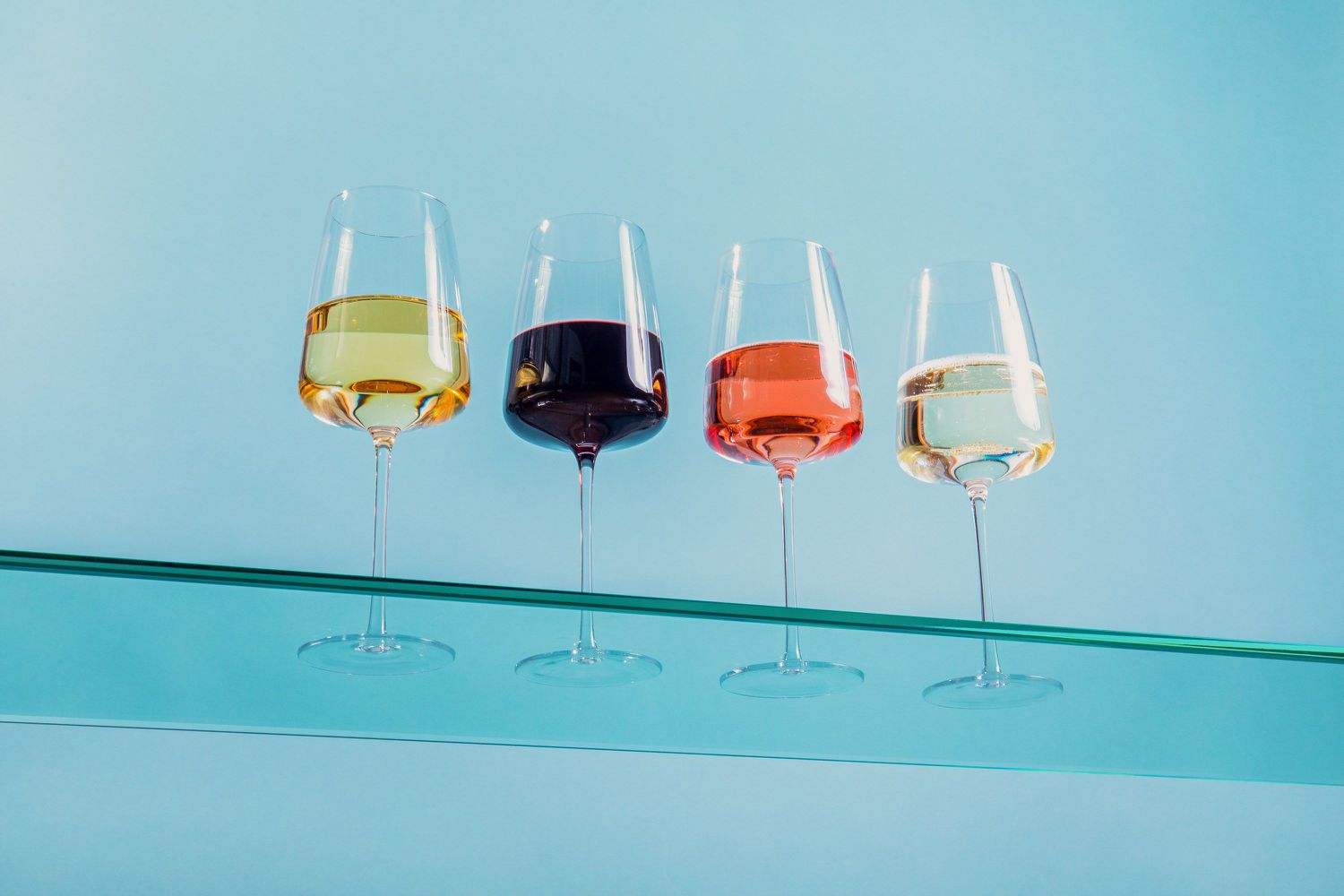
Though alcohol content varies from wine to wine, in general, you’ll find that sparkling and rosé wines are on the lower end of the spectrum, white wines tend to be in the middle, and red wines tend to have a higher alcohol percentage. We spoke with a wine expert who helped us understand more about the potency of various wines. Here’s a guide to wines with very low, moderately low, high, and very high alcohol content. Cheers to whatever style suits you!
Marnie Old, sommelier, former director of wine studies at the French Culinary Institute in New York City, and co-author of He Said Beer, She Said Wine
What Is ABV?
Alcohol levels in wine are directly correlated with the amount of sugar that develops in the grapes at harvest time; the higher the sugar levels, the higher the potential alcohol. Higher sugar levels don’t mean that higher-alcohol wines are sweeter, though sometimes this is the case. Rather, yeast consumes the sugar and converts it into alcohol during fermentation.
What Is ABV?
Alcohol by volume (ABV) refers to the degree of alcohol in any given glass of wine, which is equivalent to its percentage by volume.
Key Factors That Determine Alcohol Content
The average glass of wine contains about 11% to 13% alcohol, but bottles range from as little as 5.5% ABV to as much as around 20% ABV. By comparison, a standard beer can contain about 5% alcohol and a 1 1/2 ounce shot of distilled spirits can contain about 40% alcohol. There are a few key factors in determining both the sugar content of the grapes and the amount of alcohol in your bottle.
Style (or varietal) of wine: The variety of grapes used to make a wine can determine the grape’s sugar content and affect the alcohol content of that wine. Some grapes are inherently sweeter, leading to higher alcohol levels.Climate: Grapes grown in warmer climates can be harvested later, allowing them to fully ripen. Because ripe grapes have a higher sugar content, wines made with riper grapes can have a higher alcohol content.Fermentation process: During fermentation, sugar is converted into alcohol. Manufacturers can control the amount of sugar that’s converted into alcohol, affecting the alcohol level of each wine type.
Consider a low-alcohol wine if you want to cut back on the amount of alcohol you consume while still enjoying a glass with your meal.
Credit:
Sarah Crowley
Sparkling Wine Alcohol Content
Fizzing with bubbles, sparkling wine refers to any carbonated wine. Though Champagne is probably the most popular, sparkling wine can be white, red, or rosé.
Wine
ABV
Italian Asti
Very Low; under 12.5%
Italian Prosecco
Very Low; under 12.5%
French Crémant
Very Low; under 12.5%
Pétillant Naturel
Very Low; under 12.5%
California Sparkling Wine
Moderately Low; 12.5 to 13.5%
French Champagne
Moderately Low; 12.5 to 13.5%
Spanish Cava
Moderately Low; 12.5 to 13.5%
Sekt
Moderately Low; 12.5 to 13.5%
Franciacorta
Moderately Low; 12.5 to 13.5%
Rosé Wine Alcohol Content
Right in between red and white wine, rosé wine is pink in color. Instead of fermenting for weeks with red grape skins, rosé wine comes into contact with the grape skins for a few hours, giving it a lighter hue.
Wine
ABV
California White Zinfandel
Very Low; under 12.5%
Portuguese Rosés
Very Low; under 12.5%
French Rosés
Moderately Low; 12.5 to 13.5%
Spanish Rosés
Moderately Low; 12.5 to 13.5%
White Wine Alcohol Content
Made with white grapes, white wine is not fermented with grape skins. By removing the skins before the fermentation process, less color is transferred to the wine.
Wine
ABV
French Vouvray and Muscadet
Very Low; under 12.5%
German Riesling
Very Low; under 12.5%
Portuguese Vinho Verde
Very Low; under 12.5%
Spanish Txakoli
Very Low; under 12.5%
Austrian Grüner Veltliner
Moderately Low; 12.5 to 13.5%
Australian Riesling
Moderately Low; 12.5 to 13.5%
French Alsace White
Moderately Low; 12.5 to 13.5%
French Loire and Bordeaux Whites
Moderately Low; 12.5 to 13.5%
French White Burgundy
Moderately Low; 12.5 to 13.5%
Italian Pinot Grigio
Moderately Low; 12.5 to 13.5%
New York Riesling
Moderately Low; 12.5 to 13.5%
New Zealand Sauvignon Blanc
Moderately Low; 12.5 to 13.5%
Oregon Pinot Gris
Moderately Low; 12.5 to 13.5%
South African Sauvignon Blanc
Moderately Low; 12.5 to 13.5%
Spanish Albarino
Moderately Low; 12.5 to 13.5%
Australian Chardonnay
High; 13.5 to 14.5%
California Chardonnay
High; 13.5 to 14.5%
California Pinot Gris
High; 13.5 to 14.5%
California Sauvignon Blanc
High; 13.5 to 14.5%
California Viognier
High; 13.5 to 14.5%
Chilean Chardonnay
High; 13.5 to 14.5%
French Sauternes
High; 13.5 to 14.5%
South African Chenin Blanc
High; 13.5 to 14.5%
French Muscat de Beaumes-de-Venise (fortified)
Very High; more than 14.5%
Portuguese Madeira (fortified)
Very High; more than 14.5%
Spanish Sherry (fortified)
Very High; more than 14.5%
Red Wine Alcohol Content
Unlike white wine, red wine is made with dark-colored grapes, such as red or black. The skin and seeds are left in during fermentation, providing red wine its rich color.
Wine
ABV
French Beaujolais and Burgundy
Moderately Low; 12.5 to 13.5%
French Bordeaux
Moderately Low; 12.5 to 13.5%
Italian Chianti
Moderately Low; 12.5 to 13.5%
Spanish Rioja
Moderately Low; 12.5 to 13.5%
Argentine Malbec
High; 13.5 to 14.5%
Australian Shiraz
High; 13.5 to 14.5%
California Cabernet Sauvignon
High; 13.5 to 14.5%
California Pinot Noir
High; 13.5 to 14.5%
California Syrah
High; 13.5 to 14.5%
Chilean Merlot
High; 13.5 to 14.5%
French Rhône Red
High; 13.5 to 14.5%
Italian Barolo
High; 13.5 to 14.5%
California Petite Sirah
Very High; more than 14.5%
California Zinfandel
Very High; more than 14.5%
Italian Amarone
Very High; more than 14.5%
Portuguese Port (fortified)
Very High; more than 14.5%
Makers Are Increasing Wine Alcohol Content
According to experts, the alcohol content of wine has spiked considerably over the years. “There’s pressure on winemakers from critics for intense flavors, and that means riper grapes,” explains wine expert Marnie Old. “So during the past few years, winemakers have been leaving grapes on the vines well after they would typically be picked, [translating] into fuller-bodied wines and more alcohol.”
Thanks to scientific advances in farming, it’s now less risky to postpone a harvest. Warmer climates also play a role, so a riesling from California will be much more potent than a traditional one from a cooler region, like Germany.
How Does Alcohol Content Affect the Taste of Wine?
The alcohol content in wine can affect its feel and perceived flavor. Though a wine’s flavor can depend on an individual’s genetics and perception of the wine’s qualities, generally, lower-alcohol wines tend to be sweeter because of sugar leftover from fermentation, and higher-alcohol wines have a bolder, more bitter taste.
The wine’s body and feel can also depend on its alcohol content. Those with a lower ABV level are lighter than wines with higher ABV levels, which feel fuller and heavier. Additionally, higher-alcohol wines may feel warm in the mouth and seem less balanced than those with lower alcohol levels. That’s because the higher the alcohol content, the more the wine’s acidity and sweetness are affected, which combine to create a balanced feel of the wine. Therefore, when tasting wine, you’ll notice alcohol comes through as heat in the back of your mouth or throat. A higher ABV wine will taste warmer and bolder, almost like a slight burning sensation on your palate.
Choosing Wine Based on ABV
While it’s more common to choose wine based on factors such as the varietals you like or what you’re planing to enjoy with your wine, you can also pick your bottle based on its ABV content. Here are some tips:
Low-ABV wines: Opt for a low-ABV wine, such as a sparkling wine or rosé, for a brunch or other daytime event. Since low-ABV wines tend to feel lighter, they are often preferable for a variety of laid-back social gatherings. Additionally, low-ABV wines are best paired with more delicate dishes, as they won’t overwhelm them.High-ABV wines: Choose a high-ABV wine when you’re planing to enjoy a rich, bold meal, such as grilled or barbecued meats and hearty stews. Due to the high alcohol content, these wines are often best suited for evening gatherings and celebrations.
Frequently Asked Questions
Is a glass of wine stronger than a glass of beer?
On average, wine tends to be about 50% stronger than most beers. Many factors are involved, including the size of the glass and the type of beer or wine being served. Wine also enters the bloodstream faster than beer, meaning you will feel the effects quicker.
Is wine stronger than regular alcohol?
One standard drink in the United States has roughly 14 grams of pure alcohol. This amount of alcohol can be found in approximately 12 ounces of regular beer, 5 ounces of wine, or 1.5 ounces of distilled spirits. A lot depends on what you drink and how much you consume, but for the most part, one ounce of wine will be stronger than one ounce of beer.
Is there a lot of sugar in wine?
Wine can have a decent amount of sugar, depending on the type of wine, where it was made, and how much you drink. And, the amount of alcohol in wine depends on how much sugar was produced while harvesting. Generally, five ounces of red table wine contains about 0.9 grams of sugar, while the same amount of white table wine contains 1.4 grams of sugar.
Thanks for your feedback!
By clicking “Accept All Cookies”, you agree to the storing of cookies on your device to enhance site navigation, analyze site usage, and assist in our marketing efforts.
Cookies Settings Accept All Cookies
Dining and Cooking