
Photo by Jen Parsons for The Lafayette
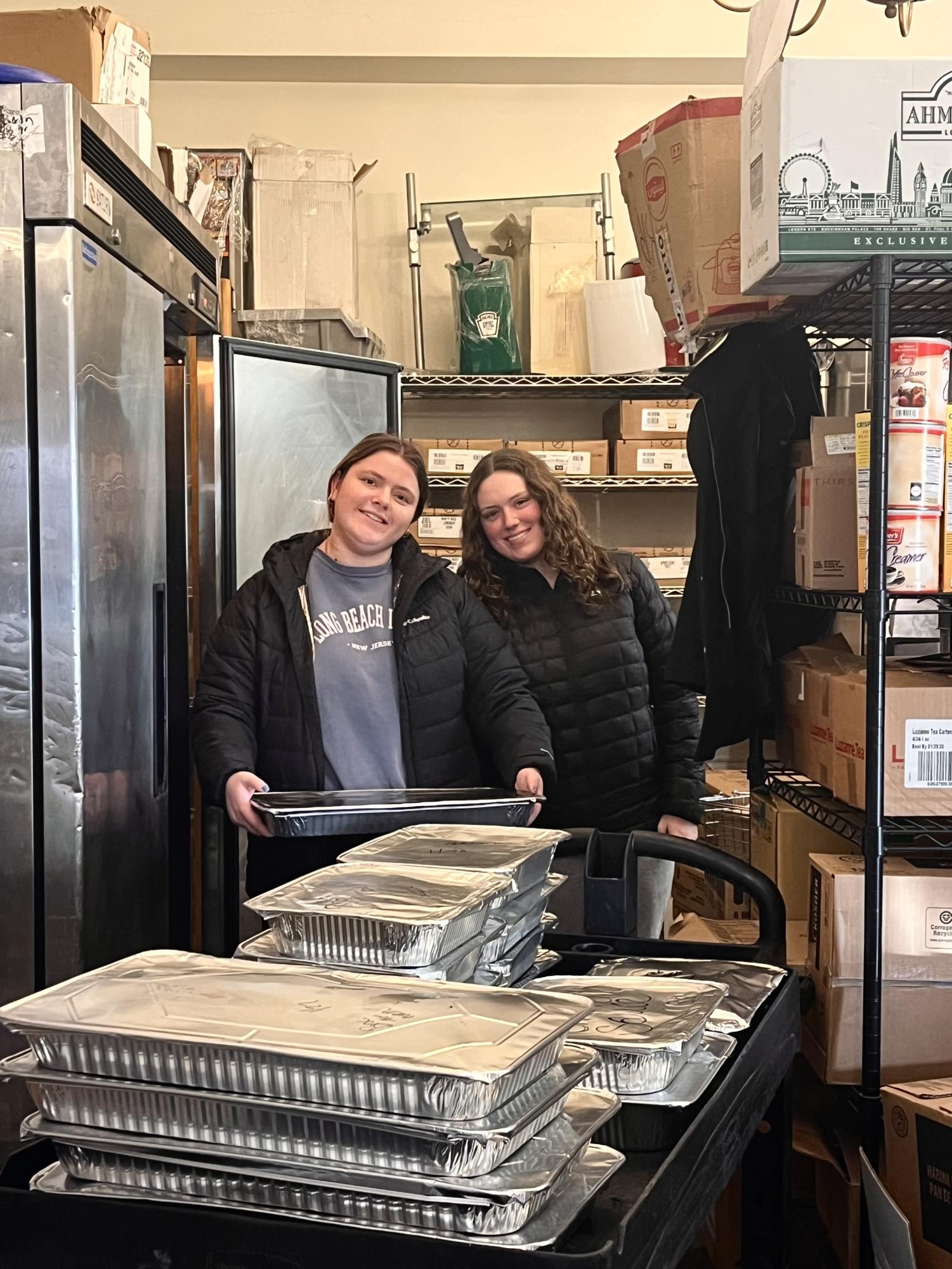
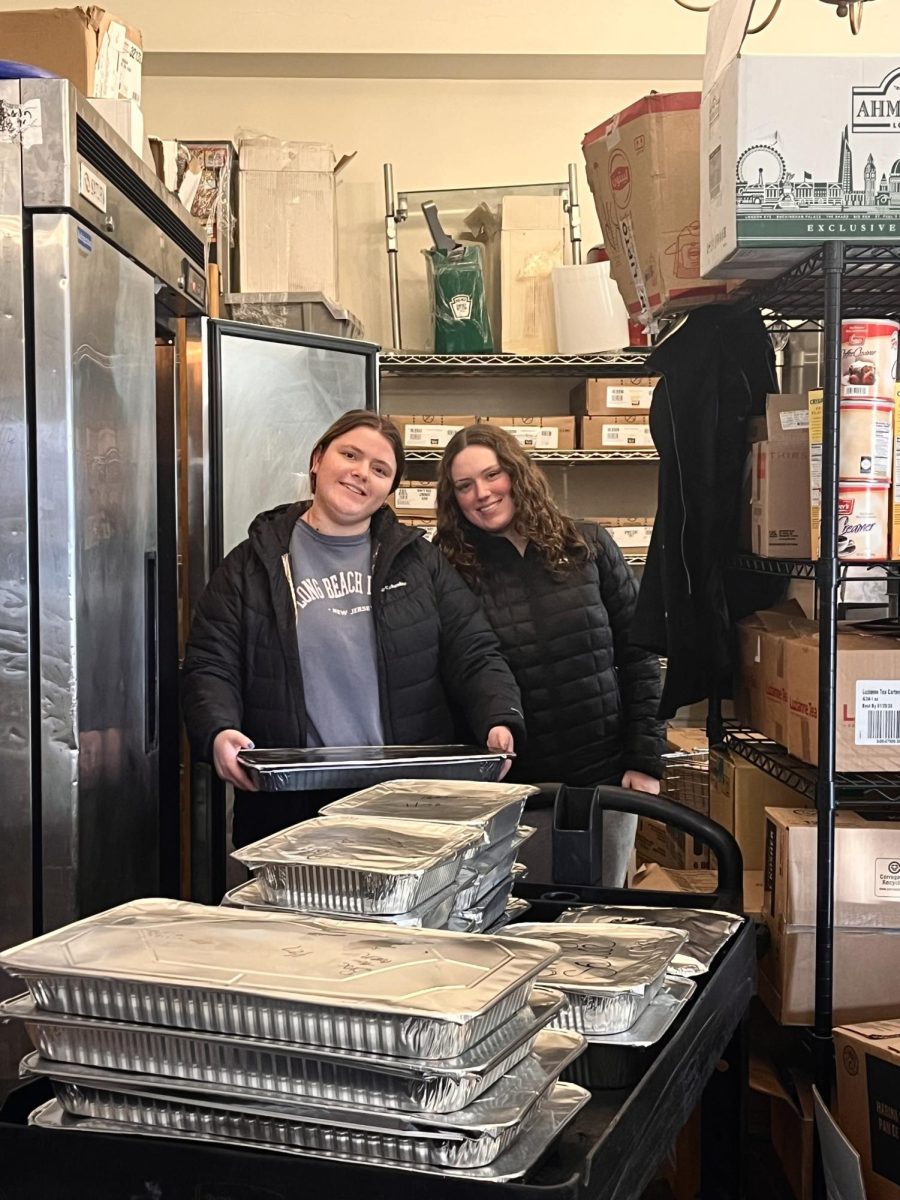
Food Recovery Network recovered over 5,000 pounds of food during the fall 2025 semester.
After a comeback following a COVID-19 hiatus, a student-run food donation organization has seen a return to form with an expanded team and impact.
Food Recovery Network chapter co-director Lauren Karwacki ‘26 described the club’s mission as two-fold: “half stopping an unsustainable food loop” and “half donating food to people that are going to use it.”
The network, commonly referred to as “FRN,” is a nationwide program devoted to reducing food waste by recovering and donating excess food on college campuses. Lafayette College’s chapter collects leftover food from the Upper Farinon and Marquis Dining Halls three times each week, then delivers it to local nonprofits Safe Harbor Easton and Third Street Alliance.
The chapter was originally founded in 2017 and then rebooted post-pandemic by Dylan Gooding ‘23 after an article about the defunct organization in The Lafayette student newspaper. Slowly but surely, Gooding and others brought the program back.
Food Recovery Network organizers said the program recovered 5,570 pounds of food last semester, its highest ever.
“We did a lot of recruiting, and I think that was really important for the program,” said chapter co-director Jen Parsons ‘26.
“I think the directors of FRN are doing a really good job of getting the program’s name and purpose out,” wrote Brianna Miron ‘26, who has been volunteering with the Food Recovery Network since her sophomore year. “One of the pick-up/delivery days this week at least half a dozen people showed up to transport food, which is really amazing—both that people know about FRN and that they care enough to show up and help out.”
Co-director Ally Forsell ‘27 said that although the program isn’t overly labor-intensive, it still affects the community.
“It shows how even small things or acts in community service can really make a big impact,” she said.
Safe Harbor’s Director of Development Sarah Stehlin ’15 said that the organization oversees 50 residents at any given time, an overflow winter shelter and a day program.
“That’s a lot of meals,” she said, adding that the cost of food would be “pretty significant” if left solely up to the nonprofit.
“Beyond the food has a lot of value: to see people giving their time to not only make sure that food doesn’t go to waste, but actually physically bring it here and drop it off,” Stehlin said about Food Recovery Network. “And, you know, see the same faces every week.”
The program works closely with Lafayette’s dining and sustainability offices to accomplish its goals, with monthly check-ins and weekly pick-up coordination.
“Parkhurst is extremely supportive of the local community, and we are very happy to partner with the student group on this important initiative,” Tony Williams, head of dining at Lafayette, wrote in an email.
Delicia Nahman, the director of sustainability, highlighted the importance of student volunteers.
“FRN closes the gap between a community need and a resource we can offer,” she wrote in an email. “Without students’ passion, time, and interest, it would be challenging to distribute food as frequently.”
“There should not be wasted food, and people should not be hungry,” said Parsons, who is writing about the organization for her honors thesis.
“The fact that there is excess food and the fact that there are people that are hungry — you just kind of take one problem and use it as a solution for the other,” she added.
Disclaimer: Design Director Jen Parsons ‘26 did not contribute writing or reporting.
Dining and Cooking