
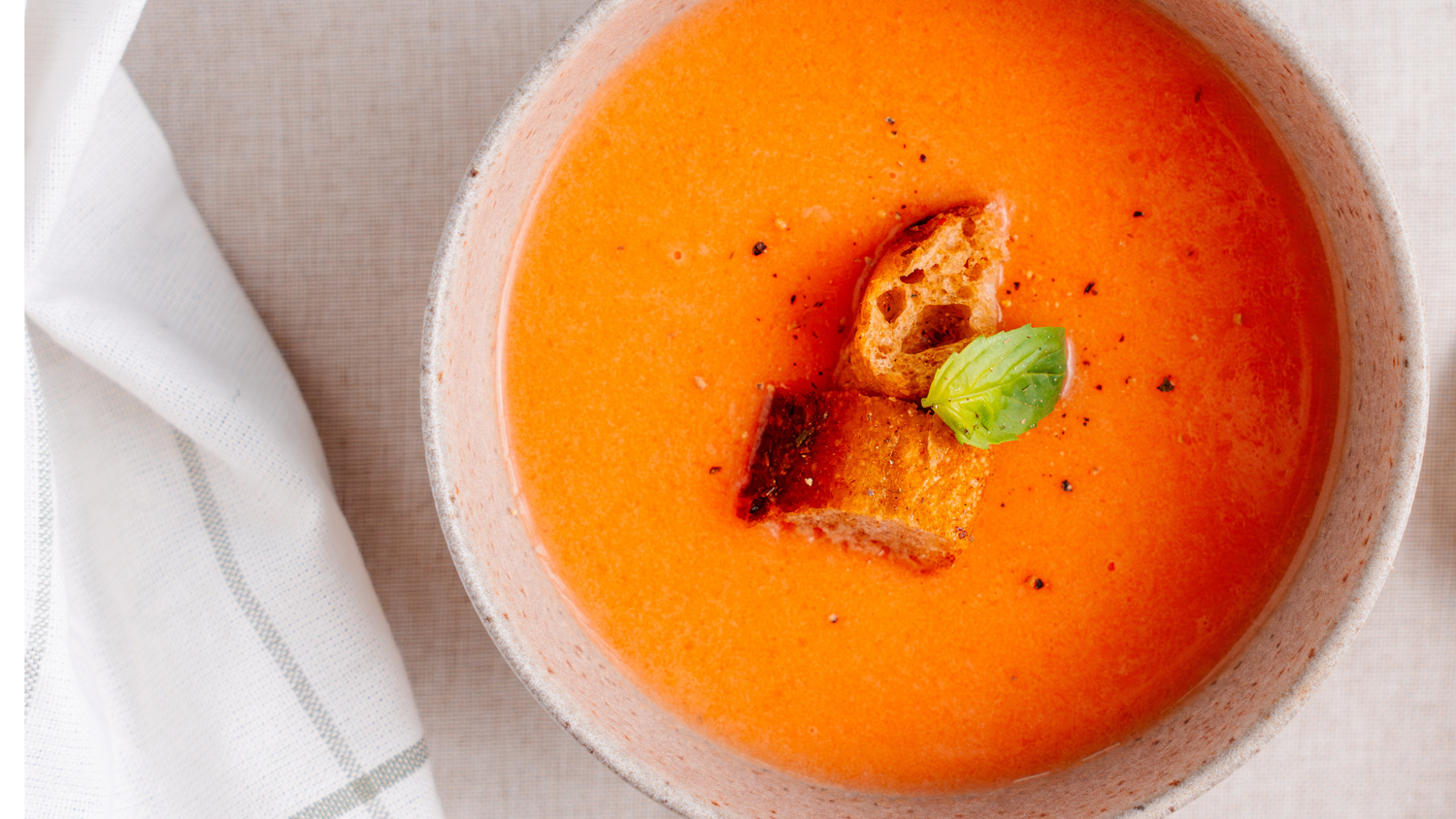
Edna Lewis ranks among my favorite teachers of culinary wisdom. Her cookbooks highlight seasonal produce and showcase a thoughtful approach to pantry staples. Each time I flip through her pages, I find something new to learn.
While searching for a tomato soup recipe, I discovered a smart technique she used to achieve an exceptionally creamy texture. The method doesn’t rely on a specific type of dairy or special blending technique. Instead, she turns to a familiar pantry staple to deliver consistent results.
“If you do not add baking soda to the milk, it will curdle,” Lewis wrote in her tomato soup recipe in her 1988 cookbook, In Pursuit of Flavor.
As I followed her recipe, I paid close attention to that step. After dealing with curdled tomato soup more than once, I wanted to see whether the trick truly worked. It did. The soup turned out smooth and creamy, easily one of the best batches I’ve made. Read on to learn why baking soda works so well and to find more tips for making delicious-tasting tomato soup at home.
How Baking Soda Makes Tomato Soup Creamy
Ashia Aubourg
To understand why baking soda works so well in creamy tomato soup, it helps to look at tomato acidity. Tomatoes measure around 4.3 on the pH scale, while oranges fall closer to 3.5, and lemons around 2. That acidity rarely causes problems in salads or sandwiches, but it can create challenges when turning tomatoes into a rich, creamy soup.
That’s where Lewis’s smart baking soda trick comes into play. She boils the tomatoes with aromatics, then adds a teaspoon of baking soda near the end of the cooking process once the skins begin to peel naturally. After that, she blends and strains the mixture.
Anyone who has made homemade cheese knows that acid triggers curdling in dairy. Lemon juice helps separate curds from whey when making ricotta or paneer. The same reaction can happen unintentionally in tomato soup when dairy meets too much acid, causing milk or cream to separate.
Baking soda neutralizes some of the tomatoes’ natural acidity. This simple step creates a smoother base, allowing milk or cream to blend in without curdling and helping the soup stay silky and creamy.
More Tips for Making Tomato Soup
Tomato soup seems simple, but home cooks often run into common mistakes when making a batch. Keep these tips in mind for a delicious result:
Balance the acidic tomatoes. Tomato sweetness or acidity depends on ripeness, so taste your soup as you go. Near the end, add a teaspoon of sugar if it needs a touch of sweetness to balance the flavors.Add a carrot. If your tomatoes taste too acidic, include a carrot when roasting or boiling the ingredients. It adds natural sweetness and a rich color to the soup.Strain the soup before serving. After blending, pour the soup through a fine sieve. This step will guarantee you end up with a silky, creamy texture.
Dining and Cooking