
Travelview/Getty Images
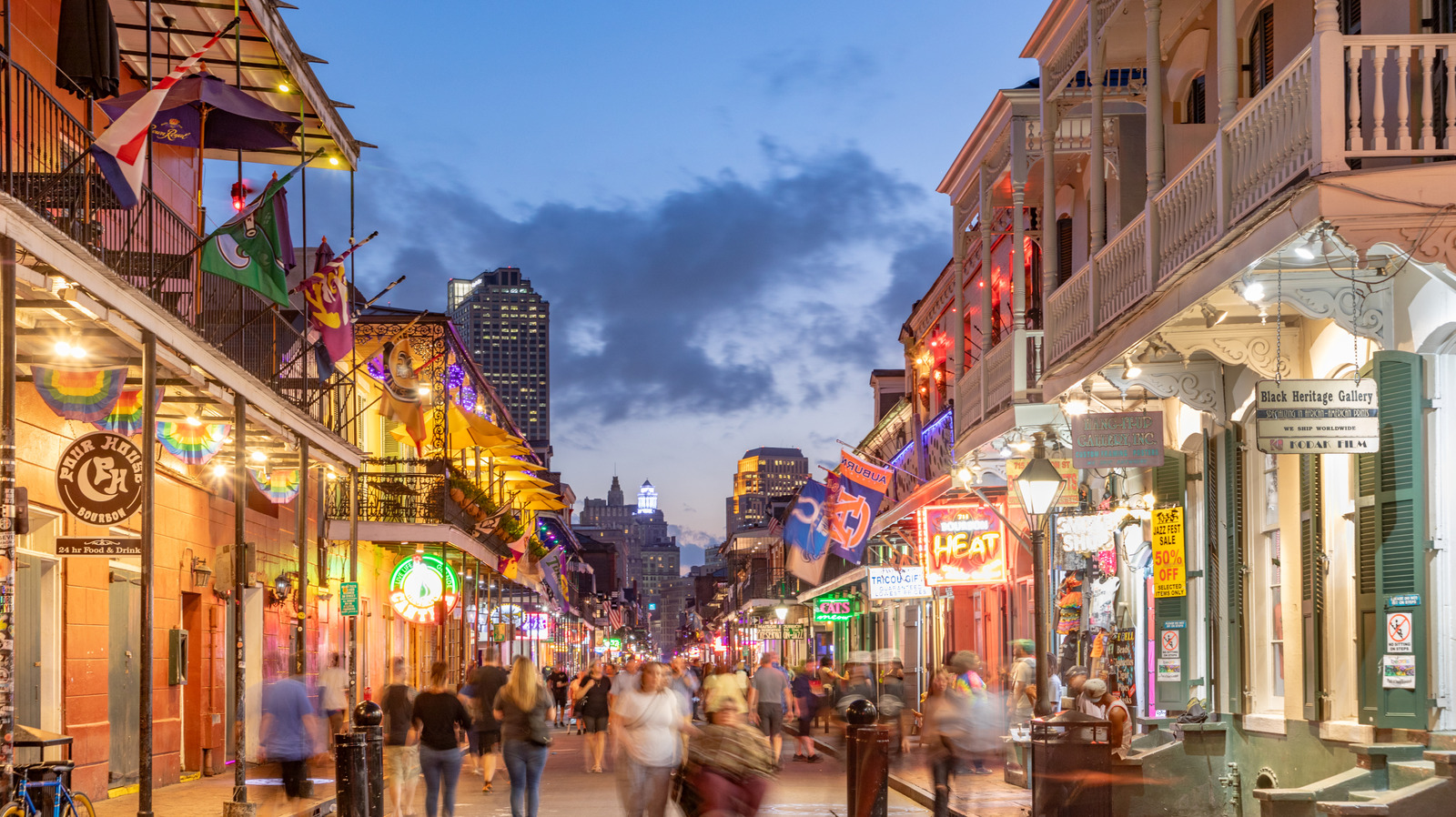
New Orleans isn’t just famous for its cocktail culture and cherished tradition of savoring libations; it’s the spiritual birthplace of American mixology. From the elegant French Quarter saloons where the Sazerac was born in the 1800s to the post-war tourist boom that gave us the Hurricane, these New Orleans staples helped establish the city’s reputation as a cocktail haven.
A former French colony and present-day cultural melting pot, the port city of New Orleans proved to be fertile ground for the art of the cocktail. Combined with American ingenuity that has seen continuous refinement in the craft of modern mixology, what makes New Orleans cocktails truly timeless isn’t just their delicious complexity — it’s their ability to evolve while remaining anchored in tradition.
From the Champagne elegance of a French 75 to the herbaceous bite of a Sazerac, these cocktails not only tantalize the taste buds but also serve as a portal to a bygone era. Just in time for parade season, here are six New Orleans cocktails that never go out of style.
Sidecar
Striking the perfect balance of tart lemon, sweet orange liqueur, and warm Cognac, the Sidecar is a timeless classic because of its elegance and simplicity. It lands silky but bracing on the palate, and donning a sugar-rimmed edge, every sip of this old-world classic is guaranteed to be both lively and smooth.
Though likely born in Europe during World War I, the Sidecar found an easy second home in New Orleans, a city fluent in French spirits and Prohibition-era cocktails. With its punchy citrus and sugar profile, it’s also been rumored that the Sidecar may be a direct descendant of the Brandy Crusta, a true New Orleans classic. Created in the mid-19th century by Joseph Santini, owner and operator of the Jewel of the South bar, the innovative drink pioneered the use of lemon juice in cocktails, expanding the world of craft cocktails and possibly inspiring the Sidecar’s format decades later.
Recipe: Classic Sidecar
French 75
A symbol of cosmopolitan taste, the French 75’s sophistication and mystique have garnered it a place on the list of timeless New Orleans cocktails. While the French 75 originated in 1915 at Harry’s New York Bar in Paris, the Crescent City claimed it as its own through Arnaud’s Restaurant. Head bartender Chris Hannah has perfected the Cognac-based version at the French 75 Bar, where he turned the recipe into an art form. By 2017, the vintage bar earned the James Beard Award for Outstanding Bar Program, cementing the iconic status of the French 75 in New Orleans cocktail culture.
Originally, a French 75 combines gin, Champagne, lemon juice, and simple syrup, delivering a kick so potent that the combination was named after a French field gun from WWI. In New Orleans, Hannah began tinkering with the recipe in 2007, and after years of evolving technique — he claims to have shaken up more French 75s than anyone else in the world — the New Orleans classic was born. For a play-by-play of how to make a French 75 in the style of Arnaud’s French 75 Bar, you’re in luck.
Recipe: French 75
Pimm’s Cup
Built upon the gin-based digestive tonic called Pimm’s No. 1, the Pimm’s Cup found its American home at New Orleans’ Napoleon House. The drink became a classic soon after its introduction in the late 1940s, as the establishment sought to create a refreshing cocktail to combat Louisiana’s sweltering summers. In order to produce a lighter, more effervescent libation, the New Orleans cocktail adds ingredients like lemonade, 7Up, cucumber, and fresh mint, quickly making its mark on the city’s cocktail heritage.
Known for its refreshing quality and low alcohol content (outside of the Pimm’s No. 1 liqueur), whatever fresh ingredients end up in a Pimm’s Cup is up to the bartender. The versatility of the Pimm’s Cup means it’s endlessly customizable according to the seasons. Featuring the addition of fresh strawberries, the recipe below is perfect for summertime enjoyment. For a New Orleans variation, simply swap out the ginger ale for lemon-lime soda like 7Up.
Recipe: Pimm’s Cup
Hurricane
An uncontested classic in New Orleans, the Hurricane rose from the ashes of Prohibition as rum was abundant, cheap, and other spirits were scarce. Born in the 1940s at Pat O’Brien’s Bar in the French Quarter, a traditional recipe blends light and dark rum with grenadine, citrus and tropical fruit juices, and simple syrup.
Vigorously shaken and poured over ice, no Hurricane is complete without a thickly sliced orange and a cherry garnish. And did I mention the must-have cocktail glass? The Hurricane’s signature glass — tall, curvy, and short-stemmed — not only inspired the cocktail’s name, but also helped make the vibrant cocktail a symbol of New Orleans’ festive culture.
Recipe: Classic Hurricane
Grasshopper
The Grasshopper is a creamy, mint-chocolate classic that originated in the early 20th century at Tujague’s in the French Quarter. With a vivid green hue and dessert-like appeal, the Grasshopper’s timelessness is linked to its playful flavor and iconic color, which is precisely why this after-dinner drink is a veteran of New Orleans’ spirited cocktail heritage.
Sweet, cool mint from green crème de menthe mingles with rich chocolate from crème de cacao, and shaken with heavy cream, the result is a drink that’s velvety smooth and vibrantly colored. The Grasshopper is one of New Orleans’ most indulgent cocktails, but what keeps folks drinking this dessert-inspired tipple time after time is that, in spite of its ingredients, it’s actually quite refreshing. What’s not so surprising: It’s very delicious.
Recipe: Grasshopper
Sazerac
While the Sazerac has held the coveted title of New Orleans’ official cocktail for nearly 20 years, this legendary drink dates back to the 1830s. Reportedly created at apothecarist Antoine Peychaud’s French Quarter pharmacy, the straightforward yet sophisticated drink prominently featured two New Orleans originals — Peychaud’s Bitters and Herbsaint.
Unofficially known as “America’s First Cocktail,” traditional preparation calls for Cognac, one sugar cube, and a few dashes of Peychaud’s, with a rinse of Herbsaint and a lemon peel to garnish. Today, however, it’s often stirred with rye whiskey, and any brand of absinthe will do in place of Herbsaint — at least outside of New Orleans’ French Quarter, that is.
Recipe: Classic Sazerac
Static Media owns and operates Tasting Table and Chowhound.
Dining and Cooking