
Shutterstock.com
Have you ever wondered if your diet makes a difference when it comes to your stroke risk? It’s a common question—and new data suggest that yes, it just might.
A recent study indicates that a Mediterranean-style diet may be linked to a lower risk of stroke among women. Published February 4, 2026, in Neurology® Open Access, the study followed more than 100,000 women and found that those with the highest adherence to the Mediterranean diet were less likely to experience any type of stroke over two decades of follow up. The study shows association, but it doesn’t prove that the Mediterranean diet directly prevents stroke.
“Our findings support the mounting evidence that a healthy diet is critical to stroke prevention,” said study author Sophia S. Wang, PhD, of City of Hope Comprehensive Cancer Center in Duarte, California.
At the start of the study, women with no history of stroke were assessed on how closely they followed the Mediterranean diet:
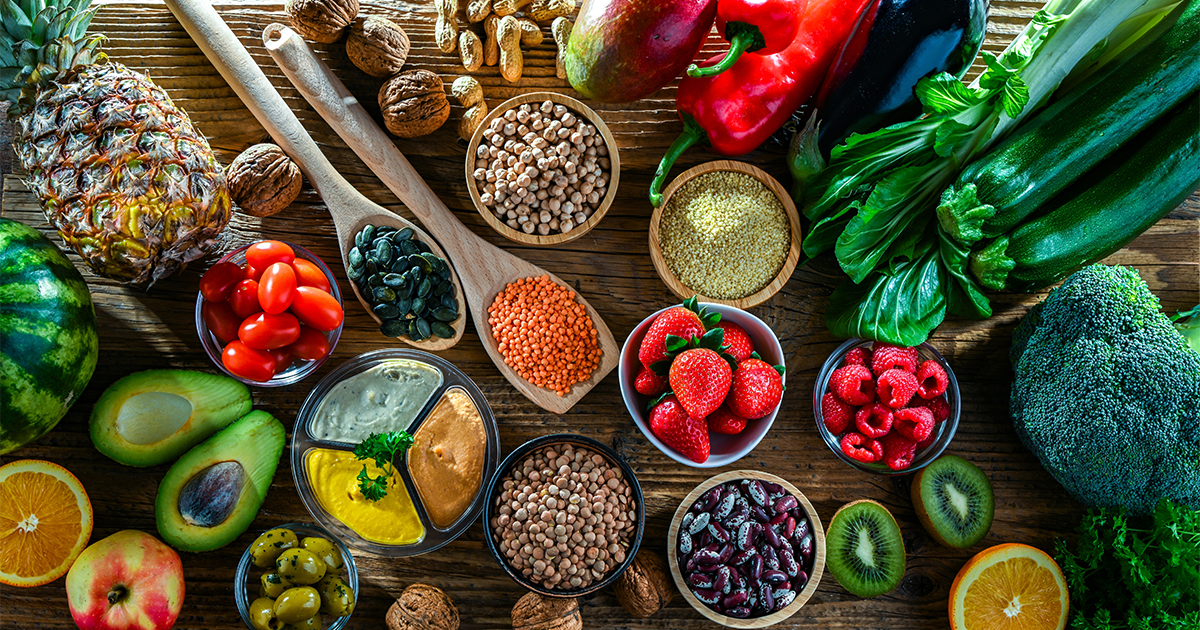
High intake of vegetables, legumes, fruits, whole grain cereals, fish, olive oil
Moderate intake of alcohol
Low intake of red meat, dairy, and saturated fats
At the end of the study, after adjusting for factors like smoking, physical activity, and high blood pressure, women who followed the Mediterranean diet most closely were less likely to have a stroke of any kind.
“Stroke is a leading cause of death and disability, so it’s exciting to think that improving our diets could lessen our risk for this devastating disease,” Dr. Wang said. “Further studies are needed to confirm these findings and to help us understand the mechanisms behind them so we could identify new ways to prevent stroke.”
The researchers noted an important limitation: the diet information was self‑reported, which means there may be some inaccuracies because people don’t always accurately recall everything they eat. Even so, the large number of participants and the long follow‑up period suggest that dietary choices can influence stroke risk over time.
While the study doesn’t prove cause and effect, the results show that making changes to your daily eating habits now could have a long-term impact on your stroke risk.
Related Articles, Books, and Podcasts
Dining and Cooking