
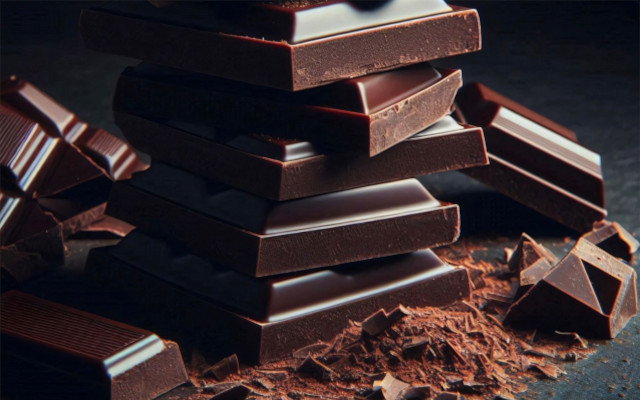
Il Italian chocolate It confirms its strategic position as a Made in Italy agri-food asset, closing the two-year period 2024-2025 with a record performance in exports (+17,2% in value). Despite the volatility of raw materials, the sector is evolving towards a ‘premiumWhere superior quality meets scientific research. This in-depth study analyzes the drivers of growth: from unprecedented evidence on the immunomodulatory and cognitive properties of high-quality cocoa to the ability to address emerging sustainability concerns (EUDR).
Market Analysis 2024-2025: Italian Exports Set to Record High
La production Italian company of cocoa and chocolate for final consumption in 2024 reached 372.665 tons with a value of 6,607 billion euros, +6% compared to the previous year (Italian Food Union, 2025). The segment of dark chocolate shows particular dynamism in the Italian market, driven by growing consumer awareness of the health benefits associated with high cocoa content (Mordor Intelligence, 2025).
THE export of Made in Italy chocolate products has recorded an increase in + 17,2% in value, the best performance among all the sectors of the Italian food industry, reaching 2,88 billion eurosIn quantitative terms, 414.940 tons were exported (+4,9%), corresponding to approximately 4 billion chocolate products (bars, pralines, specialties. Data from the Italian Food Union, 2025).
THEEurope is the largest market for chocolate, with an estimated size of 49,28 billion dollars in 2025 and expected to grow to $61,55 billion by 2030 (CAGR 4,55%. Businesscoot, 2025). The main target markets for Italian chocolate, Germany, France, the United States, the United Kingdom, Spain and Poland remain. Emerging markets as Asia, Northern Europe and the Middle East represent new opportunities, particularly for health products and plant based.
Il global market The cocoa and chocolate industry was valued at USD 169,12 billion in 2025 and is expected to grow from USD 180,01 billion in 2026 to reach USD 245,97 billion by 2031, with a CAGR of the 6,44% in the forecast period 2026-2031. This growth reflects consumers’ willingness to shift towards premium products, the expansion of demand for healthy dark chocolate, and the rapid increase in online sales (Mordor Intelligence, 2026).
From Mayan origins to the Turin district: the evolution of taste
Il cocoa (Theobroma cacao, ‘food of the gods’) originated in Central America where the Maya and pre-Columbian populations began cultivating it between Yucatán, Chiapas and Guatemala. Shrouded in myth (attributed to the Mayan king Hunahpu), the domestication of cocoa is actually the result of cross-breeding and genetic selection started in Venezuela over 5.000 years agoUsed for millennia as a drink and bitter spice, rich in polyphenols, is still present in traditional Mexican cuisine (salsa mole).
Cocoa arrived in Europe in 1585 with the first shipment from Veracruz. The oldest document on the cocoa processing in Italy It dates back to 1678 and is preserved in the historical archives of Turin, Florence, Venice and Turin They were in fact the first Italian cities to process cocoa to produce a drink that became a symbol of luxury and refinement at the Savoy and aristocratic courts, served in the first ‘chocolate shops’ frequented by the nobility.
During the 18th and 19th centuries, the production techniques of the solid chocolate and the first tablets, thanks also to the introduction of revolutionary technological innovations such as the seed pressing (van Houten, 1828) and the refining processes that led to modern chocolate. In Turin the gianduiotto (1865), the first example of chocolate with Piedmont PGI hazelnut paste, while in Perugia the tradition of the famous Baci Perugina (1922) was established, destined to become an icon of Italian chocolate in the world.
At the beginning of the twentieth century the full consolidation took place industrialization of the production processes and in Italy companies emerged that were destined to mark the history of the sector, including Perugina, Novi, Peyrano, Streglio, Majani and CaffarelAfter the Second World War, the confectionery sector underwent a resurgence thanks to the arrival of new industries, led by Ferrero, which successfully combined technological innovation and tradition.
The art of transformation: from conching to perfect tempering
Chocolate is born from the processing of semi of the plant of the Theobroma cacaoThe production process is divided into several phases: the fermentation and the drying of the seeds (which develop the aromatic precursors), the roasting (which completes the development of the aromatic bouquet), grinding, refining, tanning (or conching) And the temperingCocoa beans are processed into cocoa mass, cocoa butter, and cocoa powder, which are then combined with sugar, milk powder (for milk chocolate), lecithin, and any natural flavors to obtain the final product.
Il conching It is a fundamental step that distinguishes quality chocolate: through prolonged agitation at controlled temperatures (24-72 hours, in some cases even longer) optimal flavour, texture and aroma are developed, reducing the natural acidity and astringency of the cocoa and giving softness and roundness to the product. tempering It allows to obtain the correct crystalline structure of the cocoa butter, guaranteeing optimal shine, ‘snap’ when broken and stability of the chocolate over time (Gürsoy & Heperkan, 2020).
The final quality depends decisively on the selection of the variety of cocoa – Criollo (the most valuable and aromatic, approximately 5% of world production), Stranger (the most productive and resistant, about 80% of the market) and Trinity (hybrid that combines aromatic quality and productivity, approximately 15%) – and its geographical origin (single origin or blend controlled), as well as by the optimization of process parameters at each stage of the manufacturing process.
Science and Health: Chocolate as a Functional Food
Scientific research – after having demonstrated, in recent decades, a series of health benefits associated with the consumption of chocolate high percentage of cocoa (≥70%) – has begun to identify the mechanisms. It is worth noting that no operator has yet submitted applications to authorize health claims regarding the benefits associated with the consumption of cocoa and cocoa-based products. Consequently, EFSA (European Food Safety Authority) has not yet assessed the relevance of scientific studies relating to these benefits, which therefore cannot be disclosed in product information.
Cocoa and the gut-brain axis
The latest research shows how the active compounds that cocoa is rich in – flavanols and polyphenols – act as prebiotics, directly influencing the gut-brain axis.
Cocoa polyphenols in particular selectively promote the growth of beneficial bacteria (Bifidobacterium, Lactobacillus) and improve the bioavailability of bioactive metabolites with a positive impact on intestinal and systemic health, modulating thegut-brain axis (Sorrenti et al., 2020).
This mechanism suggests that dark chocolate may play an active role in neuroendocrine regulation, influencing not only gut health but also stress resilience and psychological well-being.
Cardiovascular benefits
The most recent scientific studies show how regular consumption of dark chocolate can improve cardiovascular biomarkers by modulating the metabolism of intestinal microbiota, promoting the production of beneficial bioactive metabolites and reducing the levels of systemic inflammation (García-Cordero et al., 2023). A comprehensive systematic review of health effects confirms benefits cardiovascular, metabolic, cognitive and general well-being effects associated with moderate consumption of quality chocolate and cocoa (Tan et al., 2021).
Effects on cognitive functions and brain aging
I flavanols of cocoa have demonstrated significant abilities to improve the cognitive functions during the’aging, supporting memory, attention, information processing speed and brain neuroplasticity, with potential applications in the prevention of age-related cognitive decline (Lalonde & Strazielle, 2023; Zeli et al., 2022).
Benefits on mood and psychological well-being
Chocolate rich in cocoa has positive effects on mood, depression and anxiety, likely mediated by the synergistic interaction between polyphenols and gut microbiota, with improvements documented in controlled clinical studies both in general populations and in specific groups such as menopausal women (Fusar-Poli et al., 2022; Shin et al., 2022; Abdoli et al., 2024).
Immunomodulatory properties
Cocoa has documented properties immunomodulatory, with anti-inflammatory, antioxidant and immune-supporting effects, contributing to the protection of the body from oxidative stress and chronic inflammation (Atanassova et al., 2024).
Beyond the Bar: Gourmet Uses and Regional Traditions
Chocolate has an exceptional versatility in cooking and in confectionery production: from classic tablets and artisanal chocolates, spreadable creams, artisanal ice creams, pralines, ganaches, and high-quality pastry decorations. It is also a fundamental ingredient in many traditional Italian and international confectionery recipes, from baked goods (cakes, brownies, biscuits, plum cakes) to hot and cold beverages (thick hot chocolate, mousse, milkshakes). Added to this are the innovative gastronomic combinations of contemporary cuisine with aged cheeses, dessert and fortified wines, fine spirits and even savoury dishes from signature cuisine (gourmet risottos, game sauces).
In the Italian tradition, chocolate is the protagonist of iconic regional preparations: from Modica chocolate IGP Sicilian (cold-processed according to the ancient Spanish tradition), to Piedmontese boeri, from Turin cremini to chocolate salami, from artisanal pralines to Easter eggs, testifying to the richness and variety of the Made in Italy chocolate heritage.
Sourcing Guide: Cocoa, Sustainability, and Certifications
Per foodies e professional buyers If you are interested in the quality of Italian chocolate, it is useful to consider the following aspects:
percentage of cocoaProducts with a high cocoa percentage (≥70%) tend to have more complex aromatic profiles and a more marked sensorial intensity, as well as higher quantities of bioactive compounds such as flavanols and polyphenols;
origin of the ingredientsInformation on the origin of the cocoa beans – in both the ‘single origin’ and ‘blend’ cases’- they constitute a distinctive element of ‘premium’ and ‘ultra premium’ range products;
organic and fair trade certificationsOrganic farming guarantees more sustainable agricultural practices, without the use of synthetic pesticides, while fair trade certifications ensure fair remuneration for farmers and workers, as well as support for communities;
sustainabilityThe European Union Deforestation Regulation lays the foundation for ensuring the environmental sustainability of all cocoa imported into the EU (Dongo, 2025). It is, however, useful to consult operators’ sustainability reports for a broader perspective (ESG – Environmental, Social, Governance).
The team of GIFT (Great Italian Food Trade) specializes in supporting international buyers in identifying and establishing win-win business relationships with top-quality Italian suppliers, with a particular focus on certifications and sustainability.
Conclusions
The excellence of Italian chocolate lies in its ability to transform a global commodity into a high-value product, capable of meeting the health and transparency needs of modern consumers. The challenge for the future lies in the complete traceability of the cocoa supply chain and the valorization of bioactive compounds. Choosing Italian chocolate today means investing in a production ecosystem that combines the rigor of international certifications with a unique gastronomic sensibility.
References
Abdoli, E., Rezaie, E., Mirghafourvand, M., Payahoo, L., Naseri, E., & Ghanbari-Homaie, S. (2024). A clinical trial of the effects of cocoa rich chocolate on depression and sleep quality in menopausal women. Scientific reports, 14 (1), 23971. https://doi.org/10.1038/s41598-024-74804-8
Atanassova, M., Martorell, M., Sharopov, F., Atanassov, L., Kumar, P., Sharifi-Rad, J., Tejada-Gavela, S., Iriti, M., Pezzani, R., & Varoni, E.M. (2024). Cocoa as immunomodulatory agent: an update. Natural product research, 38 (23), 4196–4207. https://doi.org/10.1080/14786419.2023.2272025
Fusar-Poli, L., Gabbiadini, A., Ciancio, A., Vozza, L., Signorelli, M.S., & Aguglia, E. (2022). The effect of cocoa-rich products on depression, anxiety, and mood: A systematic review and meta-analysis. Critical reviews in food science and nutrition, 62 (28), 7905–7916. https://doi.org/10.1080/10408398.2021.1920570
García-Cordero, J., Martinez, A., Blanco-Valverde, C., Pino, A., Puertas-Martín, V., San Román, R., & de Pascual-Teresa, S. (2023). Regular Consumption of Cocoa and Red Berries as a Strategy to Improve Cardiovascular Biomarkers via Modulation of Microbiota Metabolism in Healthy Aging Adults. Nutrients, 15 (10), 2299. https://doi.org/10.3390/nu15102299
Gürsoy, N., & Heperkan, D. (2020). Cocoa bean fermentation. In R. C. Ray & D. Montet (Eds.), Microorganisms and Fermentation of Traditional Foods (pp. 267-289). CRC Press.
Shin, J. H., Kim, C. S., Cha, J., Kim, S., Lee, S., Chae, S., Chun, W. Y., & Shin, D. M. (2022). Consumption of 85% cocoa dark chocolate improves mood in association with gut microbial changes in healthy adults: a randomized controlled trial. Journal of nutritional biochemistry, 99, 108854. https://doi.org/10.1016/j.jnutbio.2021.108854
Sorrenti, V., Ali, S., Mancin, L., Davinelli, S., Paoli, A., & Scapagnini, G. (2020). Cocoa Polyphenols and Gut Microbiota Interplay: Bioavailability, Prebiotic Effect, and Impact on Human Health. Nutrients, 12 (7), 1908. https://doi.org/10.3390/nu12071908
Tan, T. Y. C., Lim, X. Y., Yeo, J. H. H., Lee, S. W. H., & Lai, N. M. (2021). The Health Effects of Chocolate and Cocoa: A Systematic Review. Nutrients, 13 (9), 2909. https://doi.org/10.3390/nu13092909
Zeli, C., Lombardo, M., Storz, M. A., Ottaviani, M., & Rizzo, G. (2022). Chocolate and Cocoa-Derived Biomolecules for Brain Cognition during Aging. Antioxidants (Basel, Switzerland), 11 (7), 1353. https://doi.org/10.3390/antiox11071353

Dario Dongo, lawyer and journalist, PhD in international food law, founder of WIISE (FARE – GIFT – Food Times) and Égalité.
Dining and Cooking