
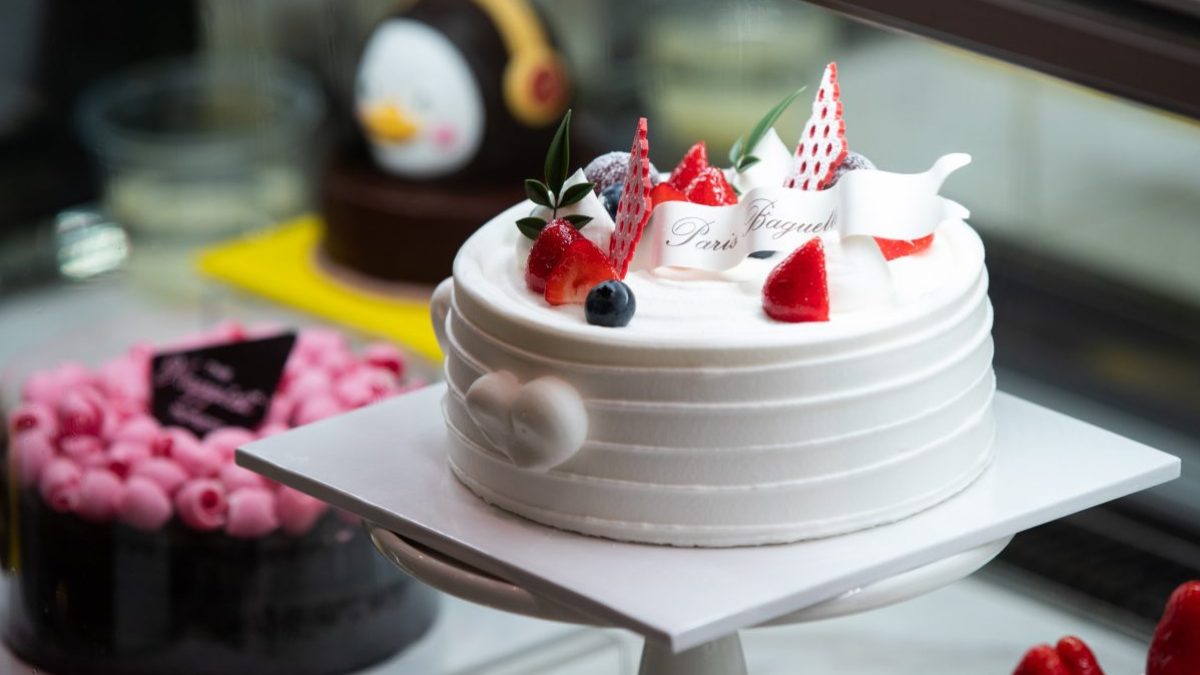
The Korean capital has one of the most exciting and fast-growing patisserie scenes in the world
This article includes affiliate links. When you book accommodation or other travel products through these links, we may earn a commission. This does not affect our recommendations or opinions.
When I first visited South Korea in 2024, I expected to eat bibimbap and bulgogi. The dishes – a mixed rice bowl and barbecued meat, respectively – are, after all, local culinary staples. But what I wasn’t anticipating was the popularity of a third “b”: baked goods.
According to The Korea Times, the number of cafés in South Korea exceeded 100,000 in 2024 – almost double the figure from 2016. And with this boom has come a growing café culture – noticeably more so than in other parts of East Asia I’ve been to – often fuelled by remote workers pitching up with their laptops.
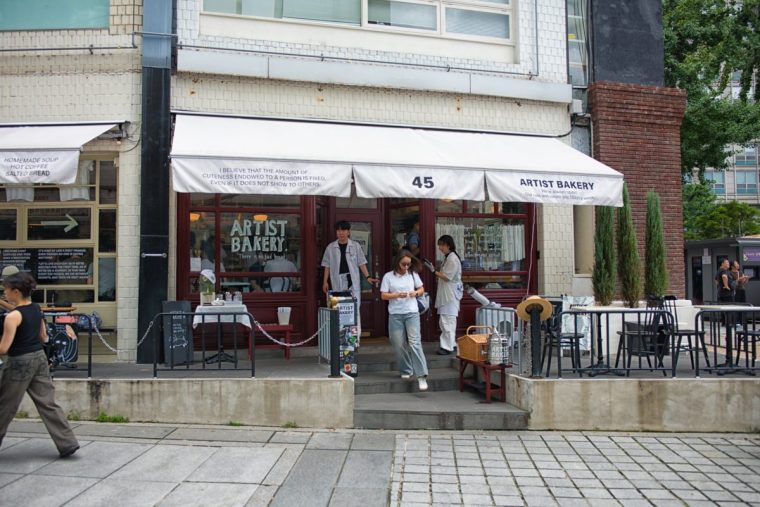 Seoul has tens of thousands of cafés, including French-inspired bakeries (Photo: Getty)
With the rise of the café has come a chance for Korea’s aspiring bakers to showcase their pastry skills. And, despite being almost 9,000 kilometres from Paris, Seoul’s bakeries and cafés are strongly influenced by French patisseries. When I visited the South Korean capital for a second time, last November, I was taken aback by the sheer number of French-inspired bakeries and dessert shops, many of which had queues trailing out of the door.
“Most Korean bakeries start with a French base and then play with it. We keep the technique but change the fillings, flavours or even the whole format,” said Ellen Kwon, owner and head pastry chef at Crémeux Club, a dessert house in Seoul’s Songnidan-gil district. “K-desserts are rooted in French technique, but the personality, colours and flavour twists feel very Korean. So the influence is strong, but adapted in a way that fits our food culture.”
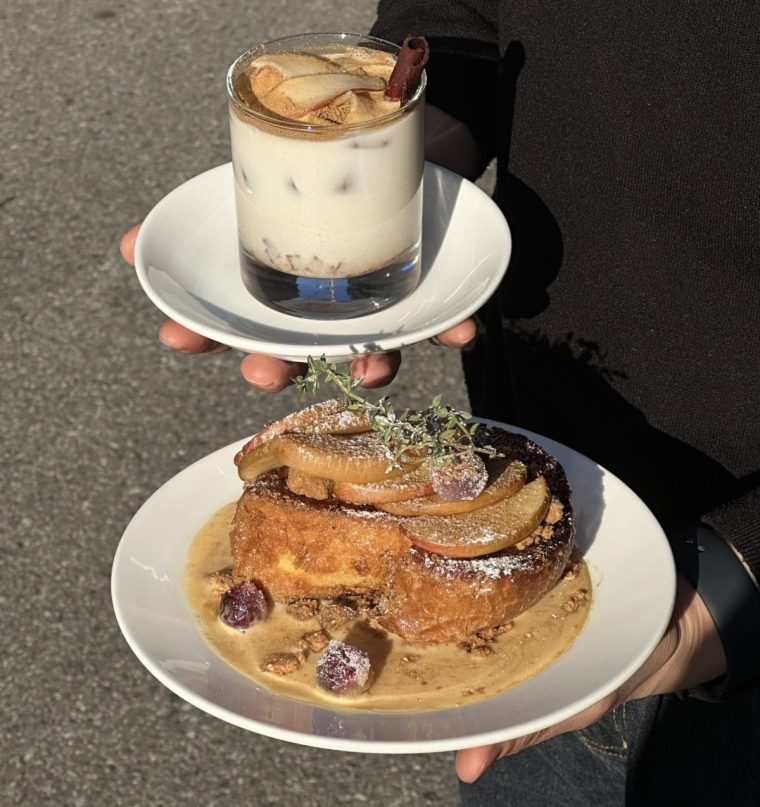 Crémeux Club’s desserts are made using French techniques, with a Korean twist
As the South Korean economy grew in the late 80s and the population became more prosperous, there was a growing desire to experience new cultures and cuisines. Paris Baguette, a chain of café-bakeries, launched in 1988 and now has over 3,750 stores across the country. It provided affordable luxury and an introduction to the flavours of continental Europe, but still reflected Korean tastes. For example, sweet and soft bread and pastries are much more common than, say, authentically crusty and savoury French bread.
Kwon studied French cuisine at culinary school and developed a particular passion for desserts, which, she told me, “felt fresh and exciting – almost like discovering a new world within food”.
Among the many riffs on French classics found in Seoul today are “things like extra-thick macarons with generous cream, ‘croffles’ made from pressed croissant dough, pastries filled with roasted sweet potato or chestnut, and fruit-forward desserts using Korean seasonal produce,” Kwon said. “And, visually, Korean desserts tend to be a bit bolder and more fun – something people want to photograph and share.”
This was certainly the case at JW Marriott Dongdaemun Square Seoul, where I was drawn to the vibrant colours and incredible craftsmanship of the in-house café, Seoul Baking Company. Behind the counter was the talented executive pastry chef, Jiyun Lee, who has a passion for French techniques, using them to elevate desserts and pastries at the hotel.
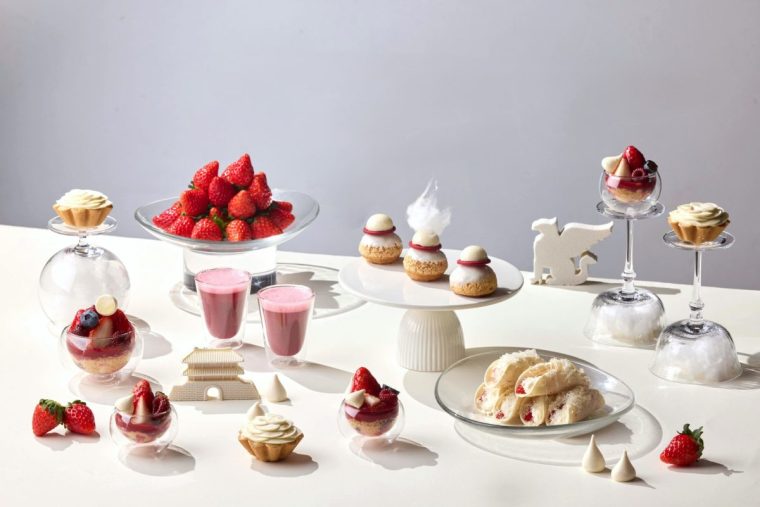 Strawberry is king at Seoul Baking Company’s Salon de Ddalki winter dessert buffet
“My love for French patisserie comes from the philosophy and precision behind it,” said Lee. “French desserts are not simply eaten; they are constructed experiences, defined by structure, texture, temperature, aroma and the flow between them.”
French patisserie has been given a new lease of life by chefs viewing it through “a uniquely Korean lens”, which, according to Lee, is creating a “distinct and dynamic dessert culture of its own.”
Korean pastry chefs turn not only to Europe for inspiration, but to the seasonal ingredients of their homeland – a practice ingrained in the country’s cuisine. In winter, for example, the juicy, sweet strawberry is king. It’s utilised in the Seoul Baking Company’s Salon de Ddalki (ddalki meaning strawberry) winter dessert buffet, served until 31 March. Seolhyang, jukhyang and kingsberry varieties are used in desserts such as Eton mess, raspberry pistachio tart and strawberry tacos.
Whether it’s at high-end establishments like Lee’s, or independent bakeries, the impact of social media on Seoul’s food scene can’t be overstated. While taste and creativity alone can attract a loyal following, it’s the likes of TikTok and Instagram that really draw in the crowds, creating a frenzy around new concepts and visually striking desserts.
“Travel, media and social platforms have dramatically increased the public’s understanding of pastry,” said Lee. “The sophistication and visual clarity of French patisserie translate exceptionally well in the age of Instagram and digital storytelling.”
You don’t need to be active on social media to find the best places to eat, however. You only have to walk around Seongsu or Jamsil – busy neighbourhoods that are almost reminiscent of Shoreditch or Brooklyn thanks to their many vintage clothes shops, pop-up stores and places to eat – looking out for the cafés with long queues. This is exactly how I ended up finding some of my favourite spots in the city.
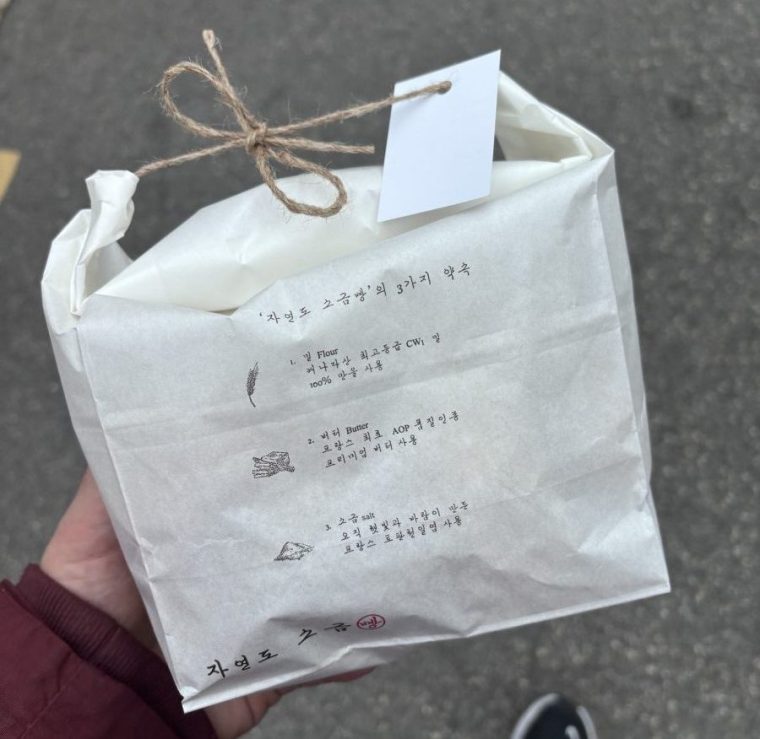 Adam picked up a bag of salt bread at Jayeondo Sogeumppang
During my month in Seoul, I stayed in various districts, which gave me the chance to experience different communities and as many bakeries as possible. On a stroll through Seongsu, I spotted a long line of people outside Jayeondo Sogeumppang. Joining them, I had no idea what I was waiting for, but the scent of butter wafting through the air was enough to tempt me. It turned out to be the smell of sogeum-ppang, or salt bread. Shaped like a croissant and with a similar rich buttery taste, this crispy but soft, Korean social media sensation comes with a deft sprinkle of salt and a melt-in-the-mouth texture.
When I spent a few days near the bustling downtown district of Gwanghwamun, I discovered what would become one of my favourite bakeries, Bricksand – a popular chain specialising in delicious, brick-shaped financiers. These cakes originated in France during the 17th century and were revived in 1800s Paris, becoming popular among bankers and the middle class, the cakes’ rectangular shape making them easy to carry and eat.
Bricksand has perfected the art of baking financiers with a perfectly crisp top and a light and fluffy inside. Having originally only gone in after spotting the line of people outside, I returned daily during my stay nearby. The flavours I tried, such as red velvet and strawberry, were all tasty, but what kept me coming back was the salt milk version. I have a weakness for the combination of sweet and salty, and this offered the perfect balance.
The global dominance of K-culture, the rise of social media and government support for small businesses have seemingly created the perfect storm for Seoul to become what Lee described as one of “the most exciting and fast-growing patisserie scenes in the world”. By combining a respect and admiration for French traditional techniques with Korean’s own unique culinary culture, the capital’s pastry chefs have cooked up something truly special.
How to get there
Korean Air and Asiana Airlines fly from the UK to Seoul.
Where to stay
The writer was a guest of JW Marriott Dongdaemun Square Seoul, which has doubles from £206.
More information
english.visitseoul.net
Dining and Cooking