

Britain may finally be shaking off its long-standing reputation as a culinary backwater, a place Europeans would visit for the scenery rather than supper.
Over the past one, two and five years, the UK has added more Michelin-starred restaurants than any other country, an analysis of the prestigious awards shows.
At the latest Michelin awards ceremony in Dublin on Monday night, Britain and Ireland added another 21 starred restaurants to the collection, taking the grand total to 230. This number would have been higher still but for the fact that eight starred restaurants were forced to close over the year, a reminder that even glittering accolades are no protection from the grim economics of hospitality.
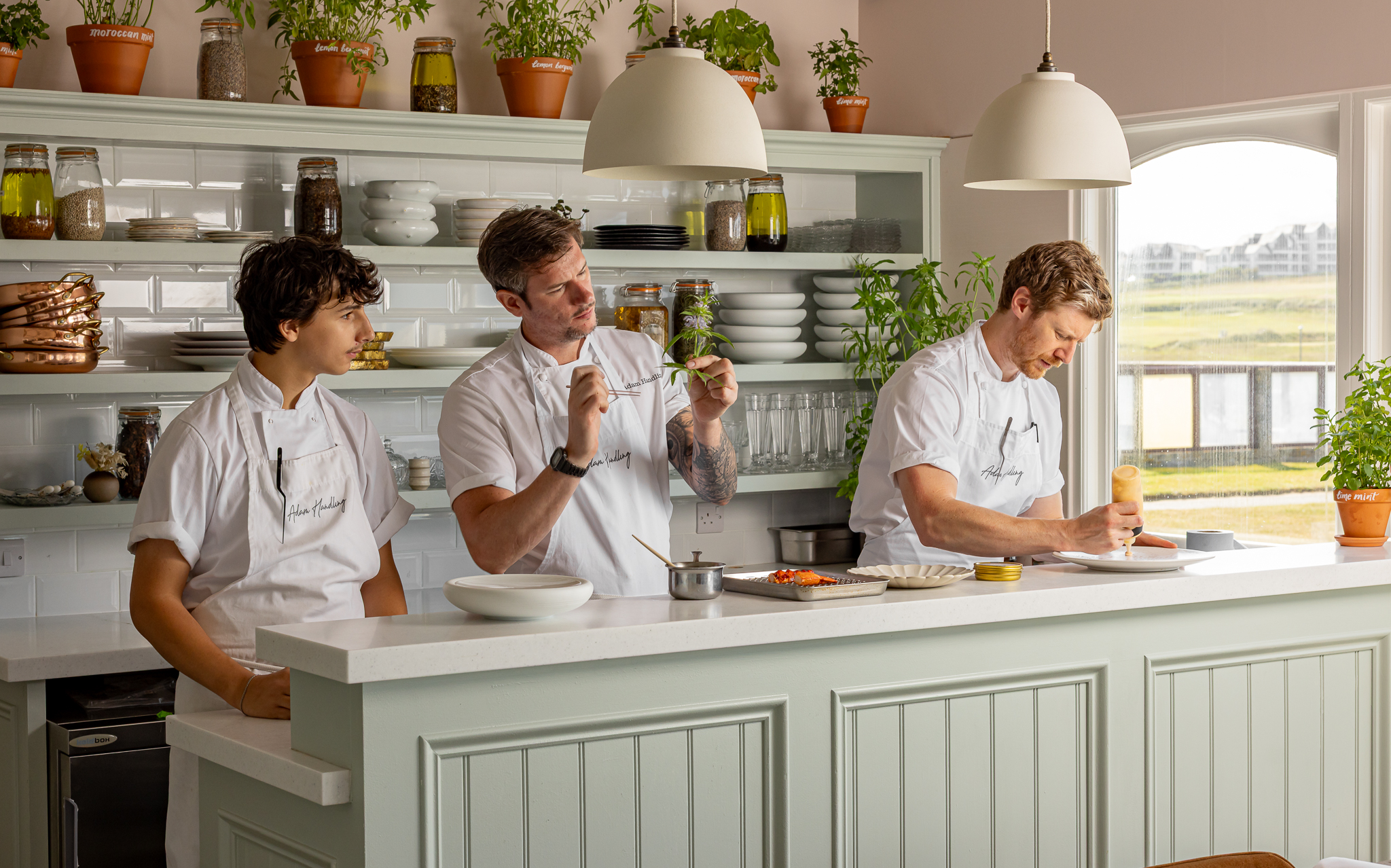
Chefs at the Ugly Butterfly in Newquay, which gained a star this year
JUSTIN DE SOUZA
The analysis by The Times shows that since 2021 there has been a net increase of 45 Michelin-starred restaurants in Britain and Ireland, a rise of 24 per cent. Over the same period the number of starred restaurants in France has grown by only 3 per cent while Germany’s tally has increased by 4 per cent. In the same period, Italy has seen growth of 6 per cent and Spain 11 per cent. The number in Japan has plummeted by 27 per cent.
The Michelin Guide, which began life as a French motoring handbook, is published every year. Restaurants are judged on five criteria: the quality of the ingredients; the mastery of flavour and cooking techniques; the personality of the chef in the cuisine; the harmony of flavours; and consistency between visits.
Several anonymous inspectors visit each restaurant and share their experiences with each other before a final decision on the award is reached. Three stars are reserved for “exceptional cuisine, worth a special journey”.
• Michelin stars 2026: deserving winners, but some bland choices
New British additions to the Michelin Guide this year include the Ugly Butterfly in Newquay, which offers “quintessentially British” cuisine on Fistral beach; Bonheur in London, which won two stars despite opening only three months ago; and Fifty Two in Harrogate, which offers a tasting menu of seasonal ingredients, often sourced from their own kitchen garden.
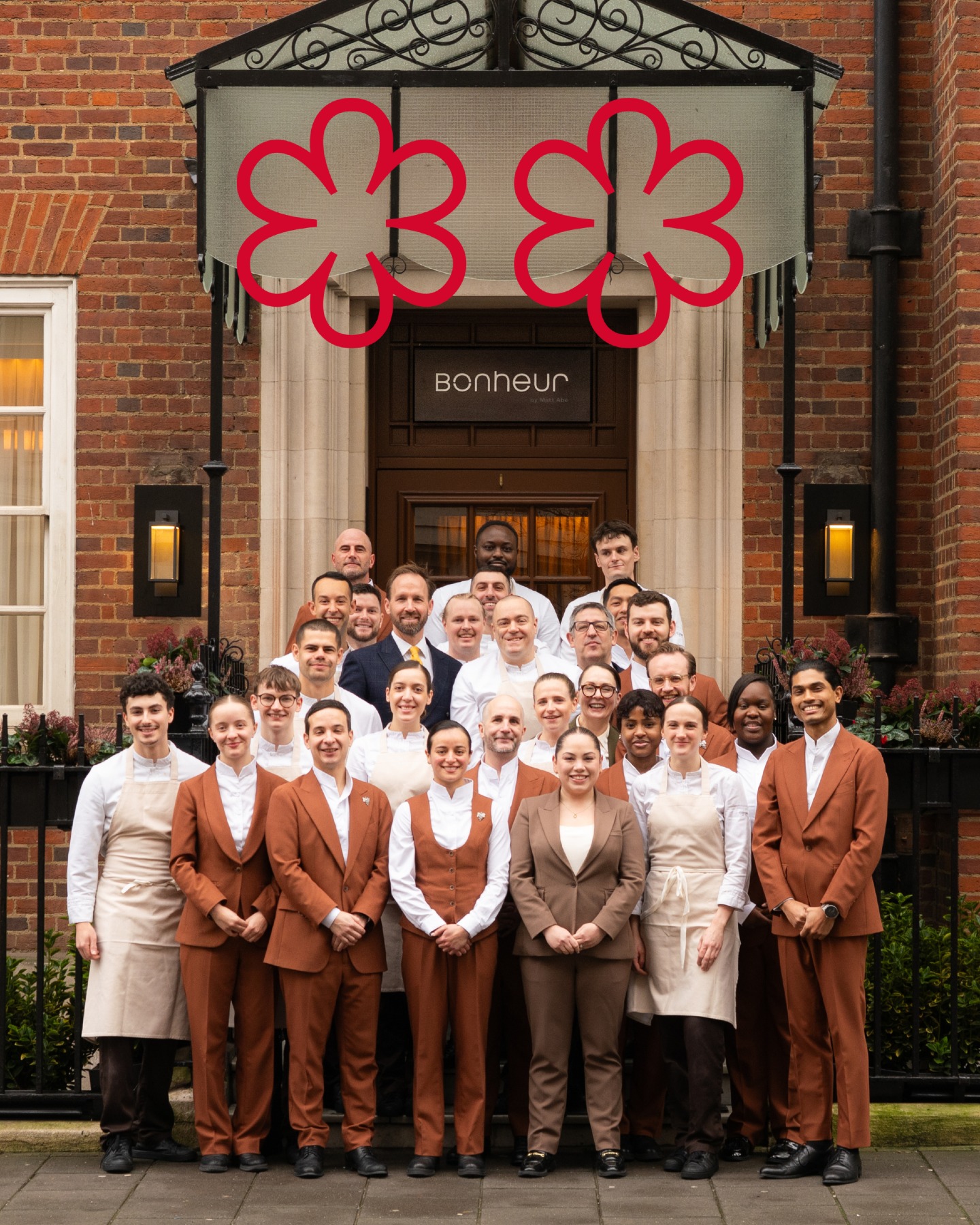
Bonheur shows off its two stars
Row on 5 in London, which offers modern European and British cuisine with a strong Japanese influence, also jumped from one to two stars.
Adam Handling, 37, the owner and head chef at Ugly Butterfly, believes the UK’s culinary transformation is the result of a specifically British food culture that began emerging about 15 years ago.
He said: “In the olden days, it was considered very posh to have a French name on a restaurant or use French ingredients and there was no such thing as a British restaurant. Nowadays, a growing number of chefs want to fly the British flag and they’re doing really well. It makes sense if you think about it. The UK has the best seafood, the best beef, the best game and the best berries.”
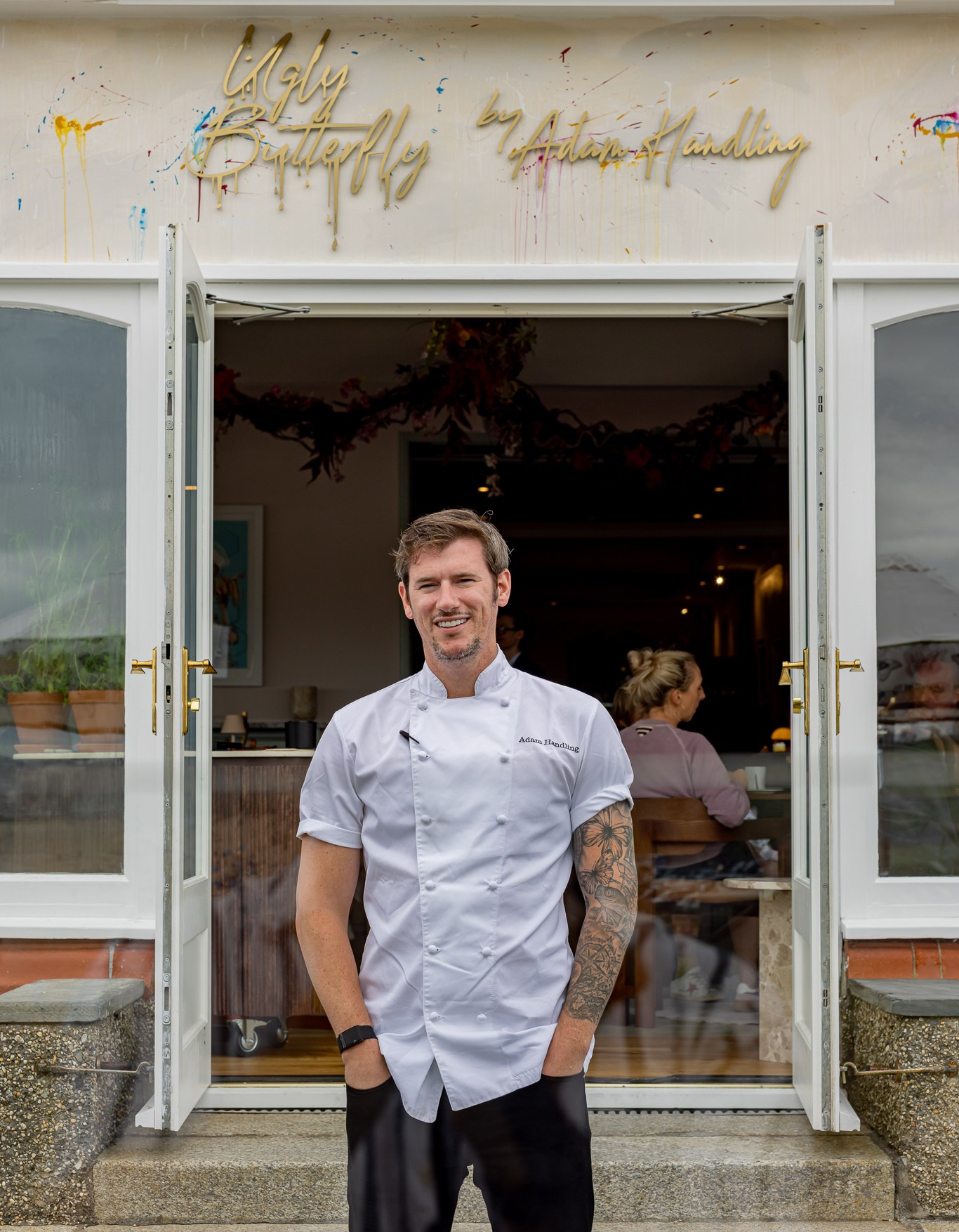
Adam Handling at the Ugly Butterfly
JUSTIN DE SOUZA
He added: “French people my age say Britain’s doing some really good food but if you asked their parents, they would say Britain’s got crap food. ”
The analysis shows that London remains the culinary heart of the UK, with 88 of Britain and Ireland’s 230 starred restaurants. This makes London Europe’s second best city for food, according to the guide, behind only Paris, which has 131.
• The London restaurants to get excited about in 2026
However, at the current rate of growth London will surpass Paris for starred restaurants within a decade.
Handling, who also owns the Frog, a one-star restaurant in Covent Garden, is confident that the capital will soon get the better of Paris. “France’s food culture is, in my eyes, very stagnant. There’s no evolution happening there.”
He said that French chefs are still using the same dishes and cooking styles recommended in the Larousse Gastronomique, a classic French cookbook published more than 50 years ago.
“It’s very fat heavy and very luxury but in the UK you don’t have a ‘rule book’ about what cooking should be so the chefs here are a hell of a lot more experimental,” Harding said. “ In my view, London is already the food capital of the world. And that is based on not just British cuisine but every cuisine in the world having some recognition there.”
• Can this writer convince the French to fall in love with British food?
However, the UK as a whole remains a long way off overtaking France, at least according to the Michelin Guide. France has 659 starred restaurants, including 34 three-star venues. Even at the breakneck speed at which Britain is adding starred venues, it will take until 2054 to have more than our friends across the Channel.
Yet while Britain may still be a long way from becoming Europe’s culinary champion, it is, at least, the most improved player.
Dining and Cooking