
Key Takeaways
Vinegar is a tangy liquid created through the fermentation of alcohol or sugar and it is used widely in cooking and cleaning due to its acidic and antibacterial properties.Different types of vinegar—like white, balsamic, and rice vinegar—have unique flavors and ideal uses, from enhancing dishes to tackling household chores.Not all vinegars are edible: cleaning and industrial varieties have higher acidity levels and are strictly for non-culinary purposes like disinfecting or weed control.
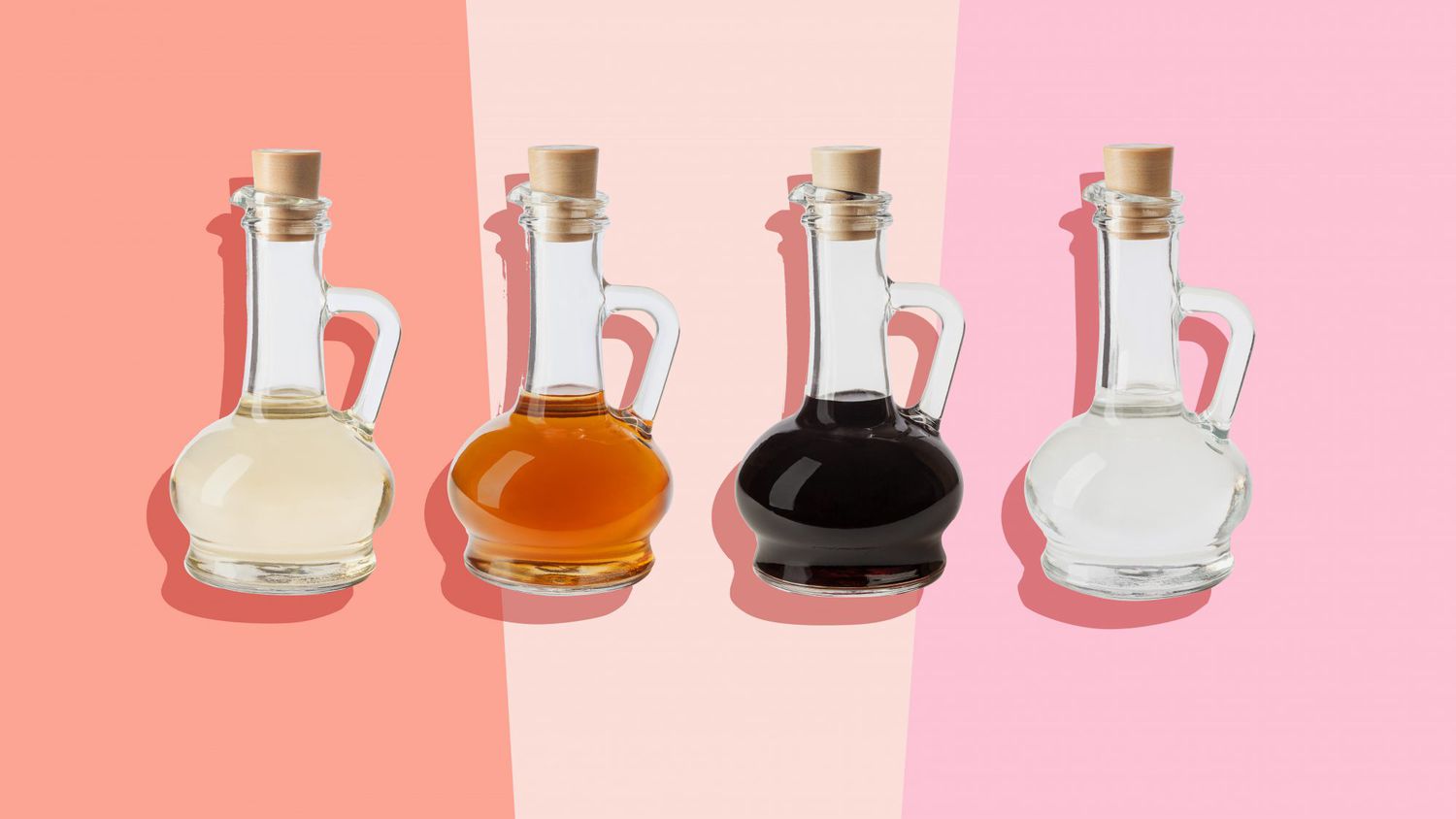
There are so many types of vinegar that you probably have more than one kind in your kitchen right now. But what exactly is vinegar, and how do we know which type is best?
What Is Vinegar and What Is It Used for?
Credit: Getty Images
Vinegar appropriately takes its name from the French term vin aigre, or “sour wine.” It’s made by adding bacteria to any type of alcohol—wine, hard cider, beer—or sugars, which are then fermented and converted into acetic acid. The time it takes for the vinegar to ferment depends on what it is made from, but the end product always results in a delicious tangy liquid that can both enhance and preserve food.
The popular ingredient is used across a variety of dishes and cuisines, brining a touch of acidity and depth to everything from salad dressings to marinades. While vinegar often used in the kitchen, it also can serve a variety of other purposes around the house. Vinegar’s antibacterial properties make it a popular ingredient in many household cleaning products. Certain types of vinegar can also remove stains, unclog drains, and even promote healthy hair.
Every type of vinegar has an individual flavor profile and often a unique purpose outside the kitchen. The vinegar you use to clean your floors probably isn’t the same one you’re using to dress your salad or marinate your chicken.
Here’s a breakdown of every type of vinegar and the best ways to use each one.
Distilled White Vinegar
Distilled white vinegar, which is also sometimes labeled as white vinegar, is usually made from a combination of about 5 to 10 percent acetic acid and approximately 90 to 95 percent water. This kind of vinegar is one of the most versatile.
There are several culinary uses for white vinegar’s intense, sharp flavor. An ingredient in ketchup, white vinegar is also used for hard-boiling eggs and to make mashed potatoes stay a bright white shade.
But white vinegar is mostly known for its excellent cleaning properties. When mixed with baking soda, it creates a foaming solution that is useful for removing grease and baked-on food from pans.
White vinegar also makes an excellent all-purpose cleaner. Just add one part vinegar to one part water in a spray bottle and shake it up. Add a few drops of your favorite essential oil to cut the odor of the vinegar. (Lemon works great for this purpose.)
White vinegar also has other uses around the home. It can soften laundry, clean and de-scale a coffee maker, help to keep flowers fresh, and much more.
White Wine Vinegar
As the name indicates, white wine vinegar is made from fermented white wine. The taste is milder than distilled white vinegar and apple cider vinegar. It has quite a few culinary purposes and is often used in salad dressings, sauces, and even marinades.
Balsamic Vinegar
Balsamic vinegar is one of the most popular types of vinegar. The longer it is aged, the darker the color, the sweeter the flavor, and the thicker the consistency. While it’s easy to find balsamic vinegar at any supermarket, it can vary in price, costing up to around $200.
Balsamic vinegar is made in Italy from grape must, the juice of freshly crushed whole grapes. Must contains the entire fruit: skins, seeds, stems, and all.
Balsamic vinegar is one of the best types to pair with food. It can be mixed with extra virgin olive oil for an easy salad dressing. It also makes a delicious chicken marinade and is quite tasty drizzled on top of mozzarella cheese. (Just add some tomatoes and a basil leaf.)
White balsamic vinegar is a type of balsamic vinegar that is made from white Trebbiano grape must.
Champagne Vinegar
Champagne vinegar is made from—you guessed it—champagne that has been fermented. Of all the types of vinegar, it has the lightest flavor, which is both tart and sweet. Champagne vinegar tastes great on salads, braised pork, and chicken.
Red Wine Vinegar
Made of red wine that is allowed to ferment until it turns sour, red wine vinegar has a number of uses. It’s an ideal ingredient in salad dressings, sauces, slow cooker recipes, marinades, reductions, and pickling.
Rice Vinegar
Rice vinegar, or rice wine vinegar, is made from fermented rice wine. It has a sweet, delicate flavor and is less acidic compared to most types of vinegar. The color of rice vinegar can vary depending on the bottle’s country of origin, ranging from clear to brown to red and even black shades. This type of vinegar is mostly used in Asian recipes, including stir-fry, salads, noodles, and vegetables.
Apple Cider Vinegar
Apple cider vinegar has had a surge in popularity in recent years because of its wide variety of uses. This vinegar is made from fermented apple juice, giving it an entirely unique flavor.
You can mix apple cider vinegar and olive oil to create a salad vinaigrette. It’s also an ingredient in recipes for meatloaf, shrimp, and some potato dishes.
Apple cider vinegar is also known for aiding digestion and improving gut health. Some people even drink it straight or mixed with water. There are many recipes for wellness tonics that use apple cider vinegar as the main ingredient.
You can even create an apple cider hair rinse, which helps restore volume and remove product buildup from hair.
Sherry Vinegar
Sherry vinegar is made from sherry wine in the Cadiz province of southwestern Spain. It is naturally fermented and aged for at least six months. Reserva sherry vinegar is aged for at least two years, whereas Gran Reserva is aged for more than 10 years.
This kind of vinegar can be used as a substitute for balsamic vinegar in dishes such as Caprese salad, but it has a unique flavor all its own.
Malt Vinegar
Malt vinegar is made from malting barley. Best known as an ingredient in traditional fish and chips, many people use this vinegar for beans on toast and making pickles.
Cleaning Vinegar
Cleaning vinegar isn’t a food product at all. In fact, it’s unsafe to ingest. With an acidity of 6 percent (most vinegar is 5 percent), it’s a natural solution for cleaning most surfaces in the home. You can make an all-purpose spray with cleaning vinegar the same way you would with white vinegar—with a ratio of one part vinegar to one part water.
Industrial Vinegar
Industrial vinegar, sometimes called horticultural vinegar, is also dangerous to ingest. Industrial vinegar usually has 20% to 30% acid. It’s used for a variety of tasks, from cleaning commercial buildings to killing weeds.
Frequently Asked Questions
What does vinegar taste like?
While the taste of vinegar may vary by the type, it generally holds a tangy, and acidic flavor. While some varieties such as white wine vinegar have a sharper bite to them, others like balsamic, possess a sweeter and more complex flavor.
How do you make vinegar yourself?
If you’re looking to make your own vinegar at home, you’ll only need a few simple ingredients, along with a whole lot of patience, as the fermentation process can take up to several months, depending on the type. Begin with a base such as wine or cider, and add a vinegar “mother” (a colony of beneficial bacteria that activates fermentation). Next, store the mixture in a breathable container at room temperature, away from direct sunlight. Throughout the fermentation process, bacteria will convert the alcohol into acetic acid, resulting in your very own tangy homemade vinegar.
What is the healthiest type of vinegar?
Apple cider vinegar is often regarded as one of the healthiest varieties of vinegar due to its digestive and blood sugar-regulating benefits. Additionally, apple cider vinegar’s vitamins, minerals, and probiotics believed to strengthen hair follicles and regulate the skin’s pH level. While ACV is often praised for its numerous benefits, other vinegars, like balsamic and red wine vinegar, also contain antioxidants that can support overall health.
Dining and Cooking