
The latest version of the Dietary Guidelines for Americans, released last month by the Trump administration’s Department of Health and Human Services and the U.S. Department of Agriculture, are a recipe for poorer health, according to a viewpoint published today in the Lancet.
Dr. Alla Hill, senior science policy associate at the Center for Science in the Public Interest; Lawrence O. Gostin, founding director of the O’Neill Institute for National and Global Health Law at Georgetown University Law School; and CSPI President Dr. Peter Lurie acknowledge that several recommendations in the new Dietary Guidelines are, in fact, based on scientific evidence. These include advice to consume a variety of plant and animal protein foods, whole fruits and vegetables, and whole grains—much like previous versions of the Guidelines. The Guidelines also suggest choosing water and unsweetened beverages and avoiding highly processed packaged foods with added sugars and salt.
However, they write, the new Dietary Guidelines upended the rigorous and transparent process developed over decades and replaced it with “a conflicted and compromised process that produced contradictory and often unscientific guidelines.” It relied heavily on scientific recommendations developed in haste by a group of researchers with extensive conflicts with the meat, dairy, and dietary supplement industries.
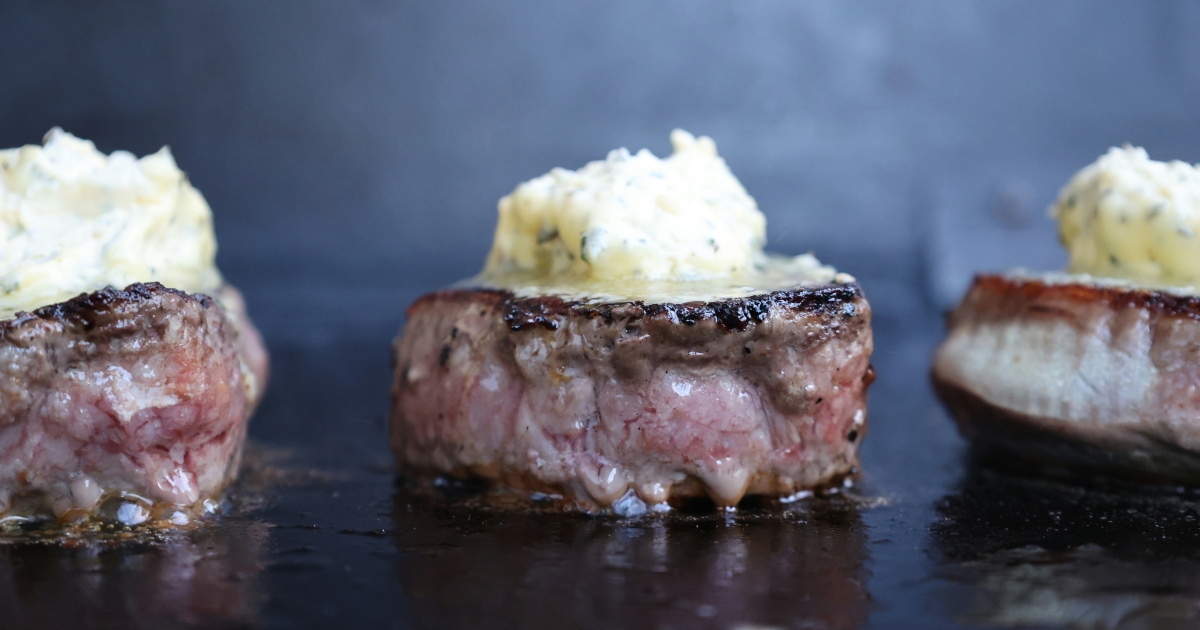
Most of the science-based recommendations made in the report of the Dietary Guidelines Advisory Committee, a group of experts who labored for two years using a more rigorous approach, were discarded by the administration. These included the recommendation to switch from saturated fat to plant-based sources of unsaturated fat. The final DGA did retain a recommended limit on saturated fat of 10 percent or less of calories. But the final Guidelines’ emphasis on red meat, full-fat dairy, and butter, for example, is at odds with the recommended cap.
“If individuals met the new DGA-recommended daily servings of protein foods (three servings per day for a 2,000 calorie diet), dairy (three servings of full-fat dairy per day), and ‘healthy fats’ (4.5 servings per day) by consuming red meat, whole milk, and butter, it is very likely they would exceed the new DGA’s saturated fat limits,” the authors write.
Encouraging Americans to eat according to the latest Dietary Guidelines is not made easier by the Trump administration’s nutrition and food policies, according to the paper.
The administration, they conclude, “has already severely reduced funding for public nutrition education, programs supporting local food for schools, and those supporting regional food businesses. The 42 million Americans who rely on SNAP are now facing a $186 billion cut over 10 years and will have an even harder time affording a DGA-aligned diet featuring expensive animal products, due to rising costs and capped benefit increases. The combination of steep funding cuts with some dietary recommendations that cast aside nutritional knowledge is a recipe for poorer health.”
The authors also indicate that clinicians and educators might prefer to rely on evidence-based guidelines from professional nutrition and medical associations, such as the American Heart Association or the American Cancer Society. CSPI, along with the Center on Biological Diversity, issued the Uncompromised Dietary Guidelines, based on the evidence amassed in the Scientific Report of the 2025-2030 Dietary Guidelines Advisory Committee.
# # #
Dining and Cooking