
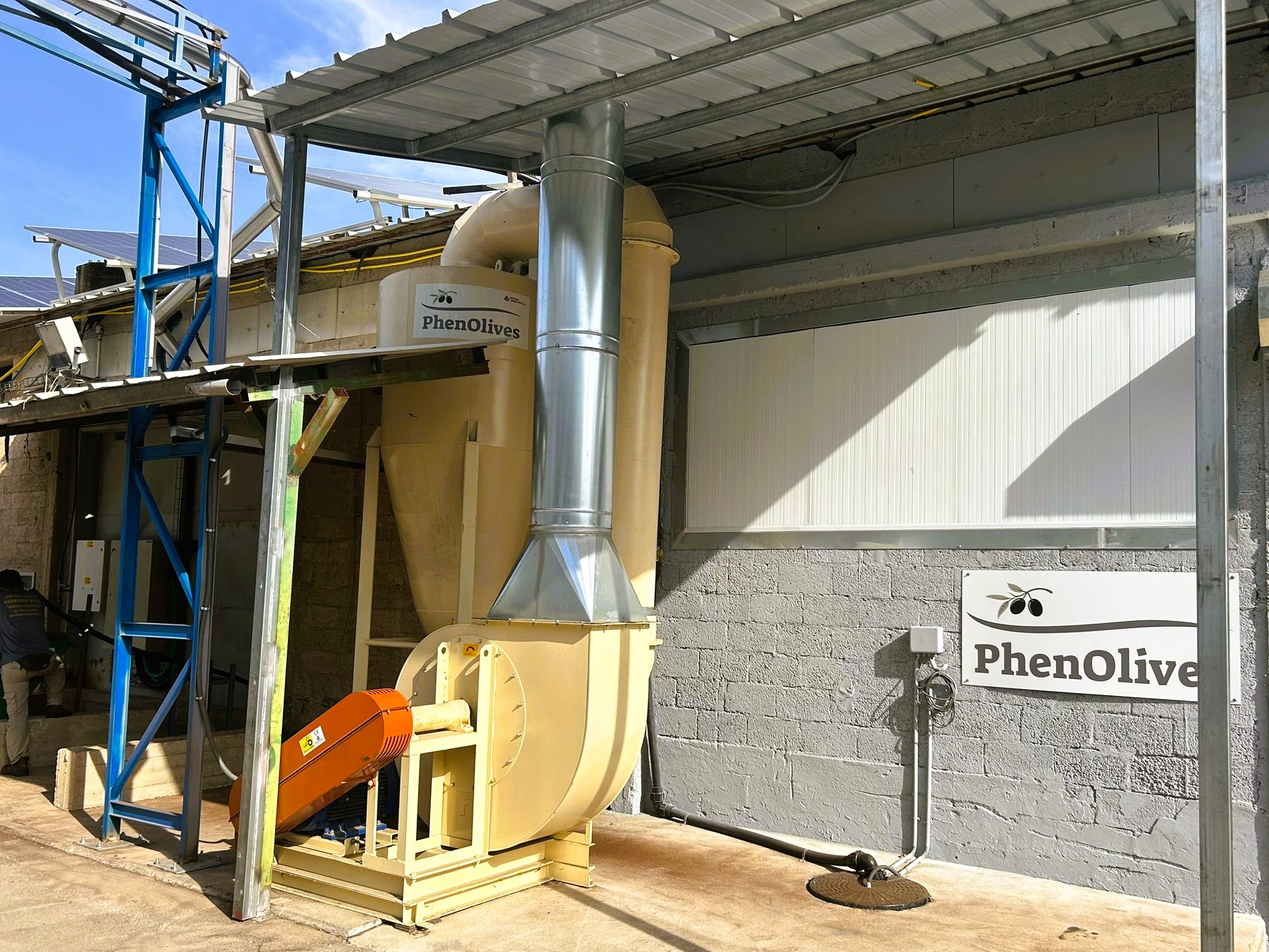
PhenOlives, the Israeli food-tech startup pioneering sustainable ingredient innovation from olive by-products, reports that the company has reached a major commercial milestone: the successful operation of the world’s first fully automated, continuous industrial production line dedicated to olive flour. This new, “first-of-its-kind facility” marks the transition from concept validation to large-scale production targeting up to 400 tonnes of olive flour each season.
Installed in the award-winning ASSI Olive Mill in late 2025, the facility marks the transition from concept validation to large-scale production, targeting up to 400 tonnes of olive flour per season. Having already produced 10 tonnes in its first operating season, PhenOlives highlights that it is now the only company globally converting olive pomace, long considered a costly waste stream, into a consistent, market-ready food ingredient at industrial scale.
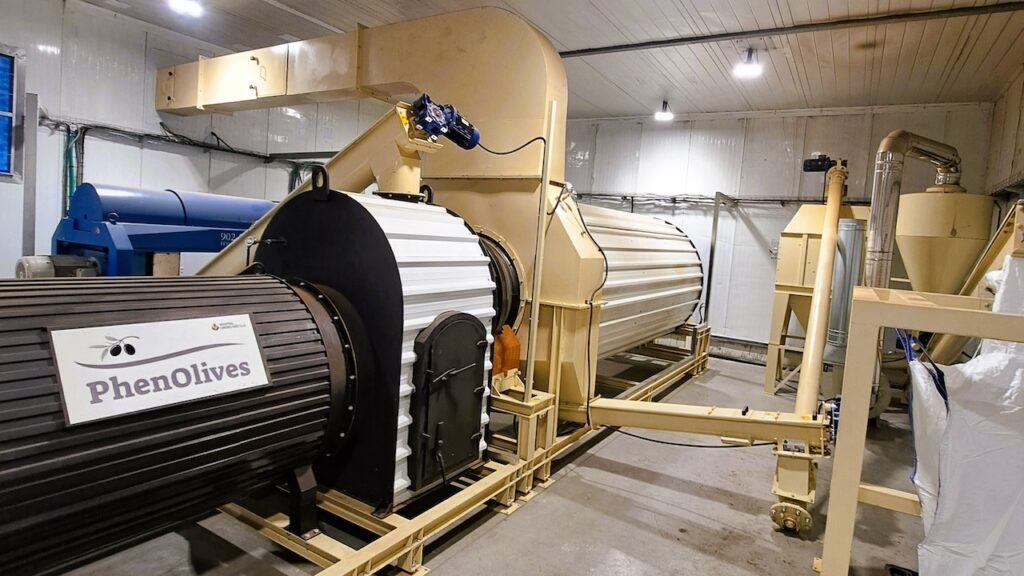 Image courtesy of PhenOlives
“Out of an estimated 25,000 olive mills worldwide, there is now one operating mill that turns olive oil waste into a commercially viable product; a landmark moment for the olive oil sector and a strong validation of PhenOlives’ commercial readiness,” said Chen Lev-Ari, CEO at PhenOlives. “We now have a working, automated system alongside a real olive mill, producing tonnes of finished product. That changes the conversation entirely for both olive mills and food manufacturers.”
PhenOlives notes that this milestone comes at a critical time for the olive oil industry, where climate-driven volatility has reduced yields and increased pressure on mill profitability, and aims to address these challenges through the following measures:
Reduces disposal volumes and costs by converting by-products into ingredients
Creates a new revenue stream from material previously treated as waste
Operates in parallel with olive oil production, with minimal staffing and no chemical processing
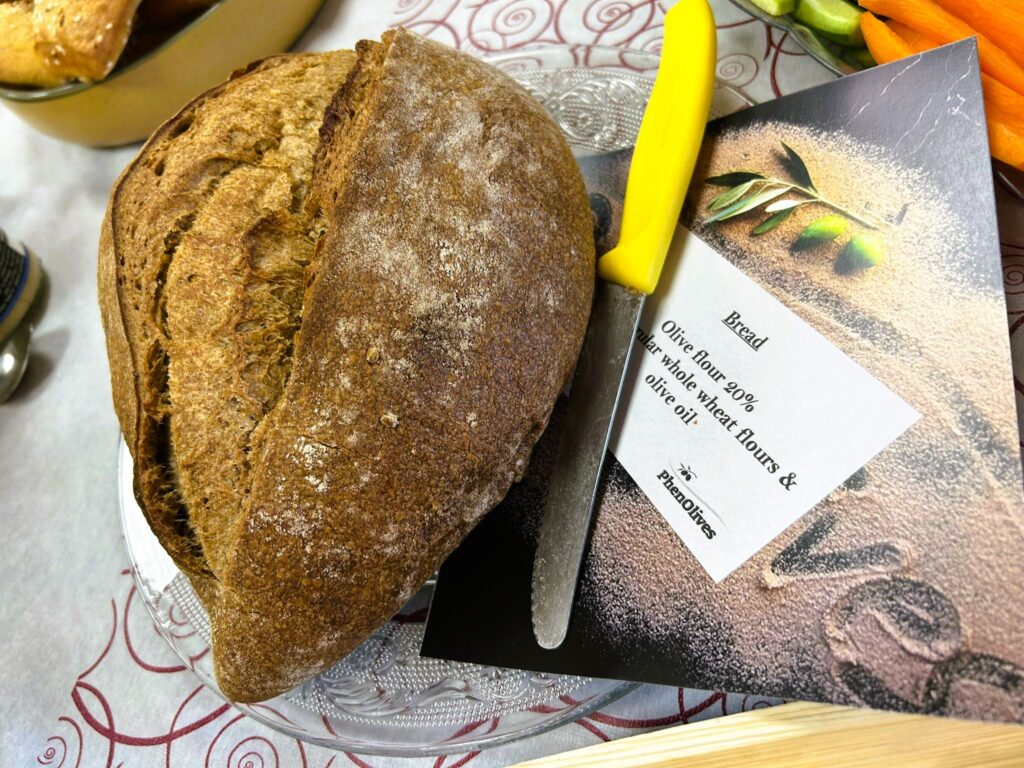 Image courtesy of PhenOlives
“This is not just a sustainability story, it is a business opportunity,” Lev-Ari added. “Olive mills can diversify income, stabilise revenues in difficult seasons, and become ingredient producers without changing their core operations.”
The announcement further details that the successful commercial run also unlocks supply for food manufacturers seeking high-fiber, gluten-free, low-calorie upcycled ingredients. With the system now validated, PhenOlives is actively engaging food companies interested in sourcing olive flour as well as olive mills seeking to install the system as an add-on to existing operations.
Looking ahead, the company expects the facility to reach approximately 400 tonnes of olive flour per season from 2026/27 onwards. The patented, chemical-free process enables the conversion of 100% of the by-product stream into nutrient-rich ingredients, effectively reshaping how the industry perceives agricultural waste.
Dining and Cooking