
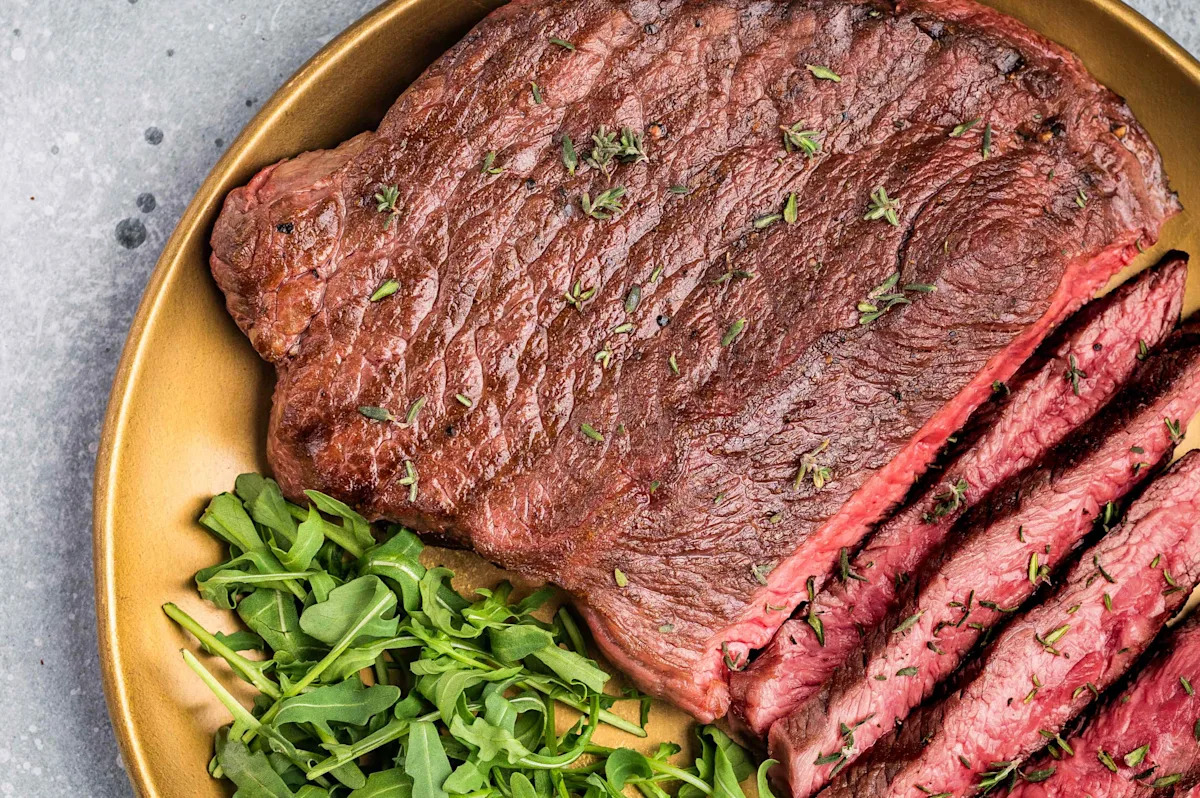
Premium steaks like ribeye and New York strip are undeniably delicious, but they are rarely the most practical choice for families trying to stretch a grocery budget. As steak prices continue to rise, many shoppers assume beef is off the table altogether. To find a smarter and more affordable alternative, I asked Brian Guarnaccia, butcher and meat manager at Stew Leonard’s, what cut he recommends for home cooks who want solid flavor at a more approachable price.
“A great value cut is top sirloin,” Brian says. “It comes from the rear of the cow, and you can use it for steaks, roasts, or kabobs. It’s leaner than ribeye or strips, but still really tender and full of beefy flavor, especially when cooked medium-rare.”
Top sirloin stands out not just for its price, but for its versatility. It’s one of those cuts that rewards a little planning. Brian explains that the cut is often sold as a larger piece, making it particularly useful for shoppers thinking beyond a single meal. That larger size might sound intimidating, but it’s actually where the savings come in. Instead of paying steakhouse prices for two individual cuts, you can break down one top sirloin into several meals and freeze what you don’t need right away. It takes a little extra effort up front, but it pays you back in the long term.
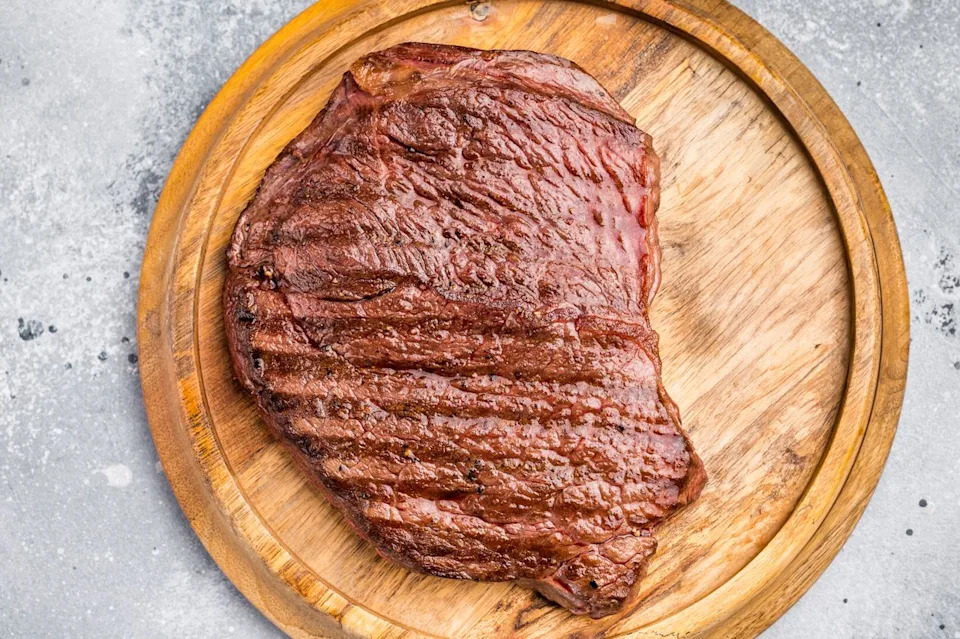
“Top sirloin usually runs about $10 to $12 for a pound. When you see it on sale for $8 to $10, that’s a no-brainer. One piece can be 12 to 15 pounds, and you can cut into a few steaks, maybe a roast, and still have some left for stir fry or stew. This is a great way to stretch your budget and stock in the freezer.”
Read More: 22 Budget Dinner Recipes That Taste Like a Million Bucks
Simply Recipes / Getty Images
That versatility is something I’ve personally come to appreciate about top sirloin. Buying a larger cut may require a bit of trimming and slicing, but it also gives you control over portion size and thickness. One thoughtful purchase can turn into several meals, which is exactly the kind of strategy budget-conscious cooks often need.
When preparing top sirloin as steaks, thickness matters. Because the cut is leaner, thinner slices can easily overcook. Brian recommends a specific range that helps preserve juiciness.
“We like steaks cut around 1 1/4 to 1 1/2 inches thick. We recommend grilling them on high heat for four to five minutes per side and then let them rest for 10 minutes after cooking. This will give you a juicy medium-rare steak.”
As with many good cuts of beef, Brian advises keeping seasoning simple. “For steaks and roasts, it’s best to keep it simple with salt and pepper. If you’re making steak tips or stir fry, it’s great with something like teriyaki sauce or chimichurri.”
Brian strongly recommends dry brining the steak, a low-effort step that can noticeably improve flavor and browning. If you’ve never dry brined before, don’t let the term intimidate you—it’s simply salting the meat ahead of time and letting the refrigerator do the work. It’s one of the easiest ways to boost flavor without adding extra ingredients or cost.
“For a few hours, or even the day before, take the steak out of the package, pat it dry, and salt it generously with kosher salt. Place it on a rack and into the refrigerator uncovered until ready to cook. The kosher salt will flavor the meat, draw out the moisture, and leave you with a steakhouse quality sear on the outside.”
For shoppers trying to balance cost, flavor, and practicality, top sirloin offers a reliable middle ground. It may not have the richness of premium steaks, but with proper cooking and a little planning, it delivers exactly what most smart weeknight cooks are after: a satisfying, budget-friendly steak dinner.
Read the original article on Simply Recipes
Dining and Cooking