
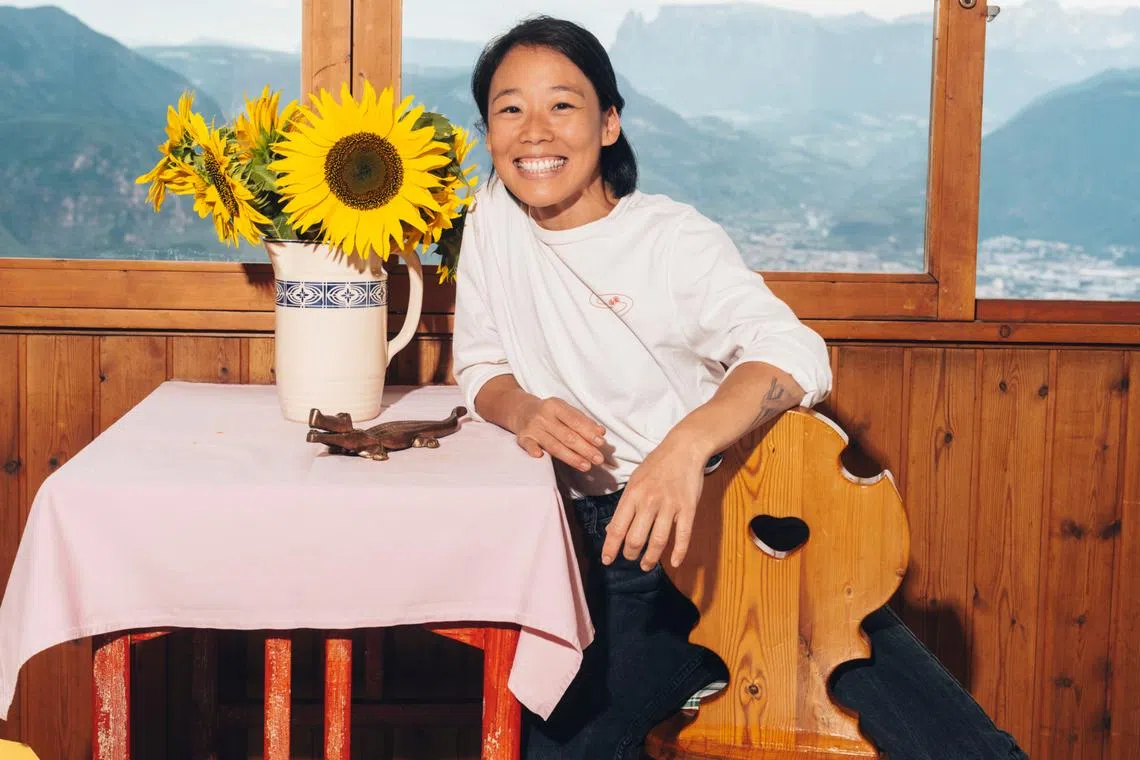
SINGAPORE –The year 2025 was, to put it lightly, a whirlwind one for Singaporean chef Ethel Hoon.
Together with her husband, Italian chef Jakob Zeller, and one year-old daughter, she moved into an old farmhouse in the mountains of Northern Italy in April. That same month, she returned to full-time work for the first time since giving birth, turning their rustic home into a 40-seater restaurant with a cross-cultural seasonal menu.
“Starting a new restaurant, there was so much pressure on us financially to make it work. We had a team depending on us for their livelihood. So, there was a lot of stress making sure tables were filled, guests were happy and the menu was right,” she recalls of that hectic early period.
But soon after came reassurance that they were on the right track. In November 2025, their restaurant, Pramol Alto, was named South Tyrol’s Newcomer of the Year 2026 by prestigious French dining guide Gault & Millau.
“These awards are a nice pat on the back. It’s a recognition of the effort that we and our team have put in. It felt nice to have gone through a very intense year and then come out on the other end with a team that was happy and doing well.”
For chef Hoon, who was raised on a diet of hawker food and home-cooked meals by her grandmother, this was never exactly part of the plan.
All she and her husband knew after leaving their jobs at Restaurant Klosterle in Austria, which they ran as head chefs from 2019 to 2023, was that they wanted to park themselves somewhere long term, ideally closer to home – either his or hers.
The couple, both 36, had been shuttling between different countries for most of their culinary careers – from Sweden to Germany, Austria to Italy. So, when the opportunity to return to chef Zeller’s home region of South Tyrol arose, they jumped at it.
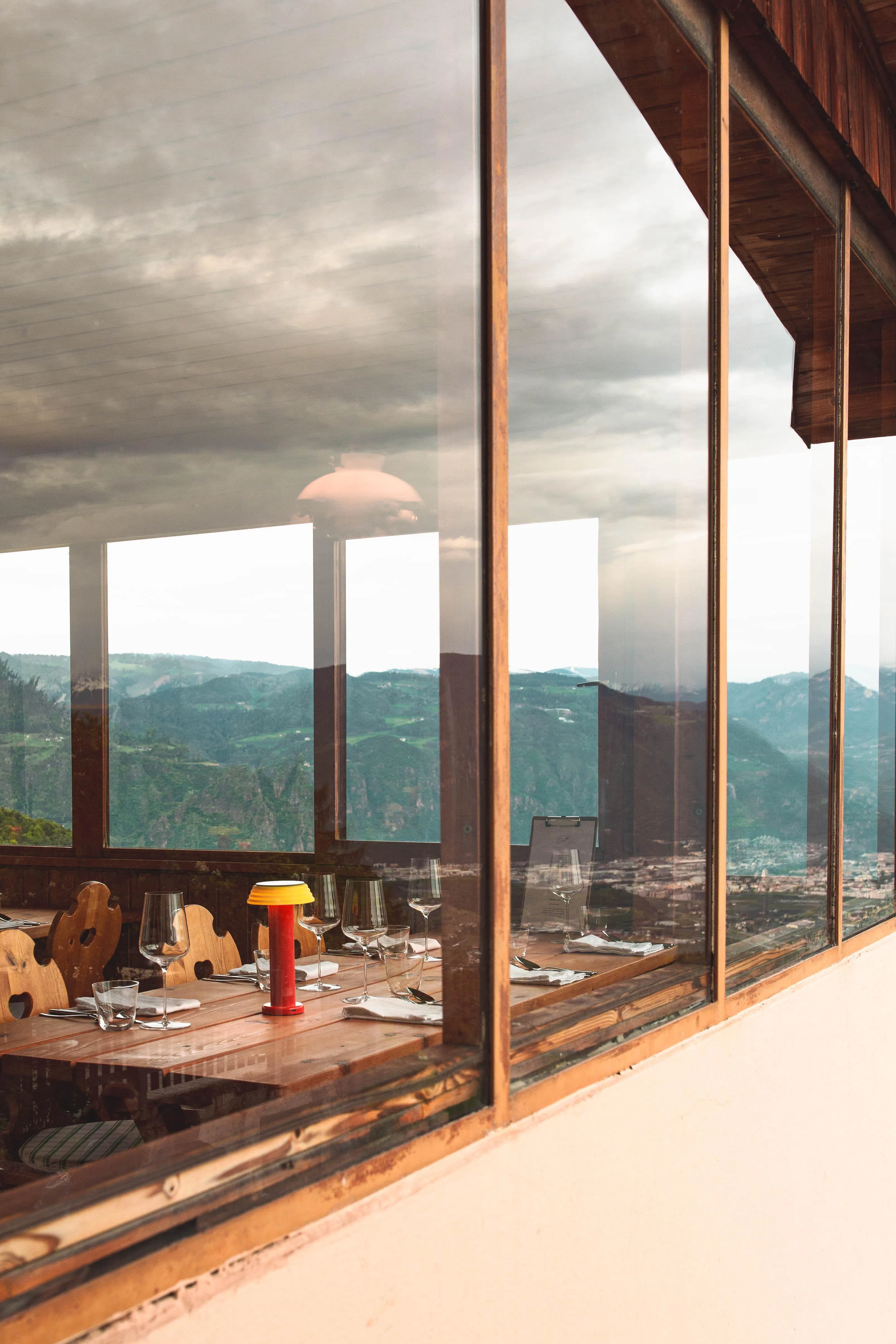
Pramol Alto was named South Tyrol’s Newcomer of the Year 2026 by French dining guide Gault & Millau.
PHOTO: BABI GORFER
The owner of the land had got in touch through a mutual contact and offered them the space at a very reasonable rate. “And then we got up here, saw the place, saw the views and kind of fell in love with it, really,” she says.
Despite its remote perch at the end of a mountain ridge, it beckoned to them with sweeping views of the Dolomites and pastoral calm. It was, she found, the ideal place to slow down.
The restaurant is open from Thursdays to Sundays, though not all year-round. It is closed for renovations and will reopen in April. Winter, anyway, tends to attract fewer tourists.
Even on work days, chef Hoon tries to take her mornings slow. She spends quality time with her daughter, prepares breakfast, takes a walk outside or feeds the chickens.
The Crescent Girls’ School and Victoria Junior College alumna had always dreamt of running her own restaurant, but never imagined she would leave Singapore, let alone end up in Europe. “It’s great,” she says. “The quality of life we have, our business, our family – I wouldn’t trade it for anything else.”
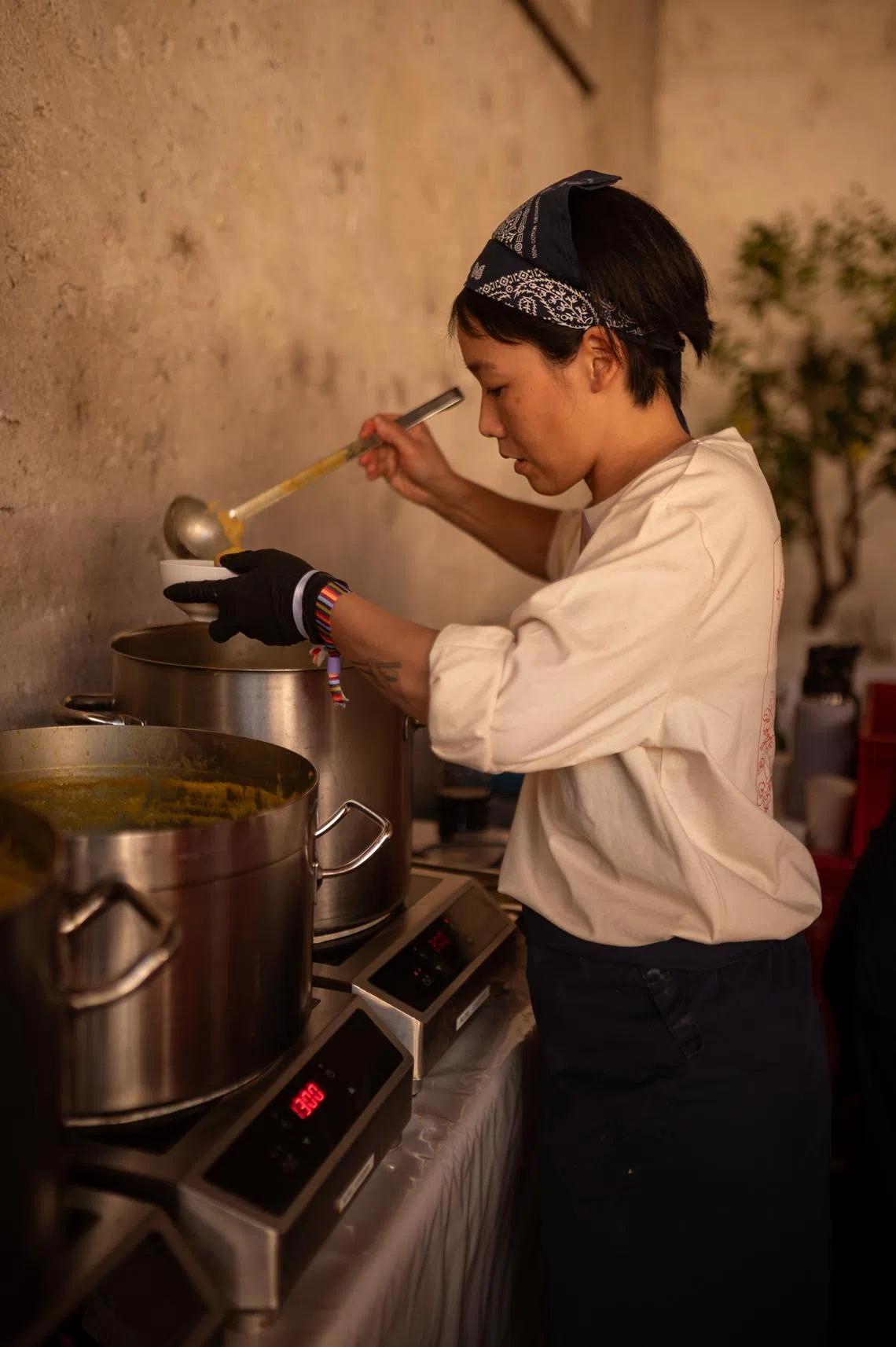
Chef Hoon has worked in restaurants such as Les Amis in Singapore and Faviken in Sweden.
PHOTO: PATRICK SCHWIENBACHER
What chef Hoon initially envisioned for herself was a quaint little French bistro, somewhere in Singapore.
Growing up, French food was seen as a special treat, a taste of gourmet decadence made possible by her aunt, who was working in the food importing industry and would take her, as well as her sisters and cousins, out for fancy meals.
“In the beginning, I was very much a Francophile in terms of food. I wanted to run a little bistro and make pates, terrines and all the classic French stuff,” recalls the Cornell University graduate, the second of three girls. Her father used to run a headhunting company, and her mother, who was a homemaker, died of breast cancer in 2016.
She got a preview of what cooking for a living might entail when she enrolled in French hospitality and culinary education institution Le Cordon Bleu in Paris for a one-year course, graduating with a Grand Diplome in 2013.
Her first kitchen job was at Les Amis, where she worked as a commis chef throughout 2014, a role which she says taught her how to cook in a disciplined and efficient manner.
While she learnt a lot from that experience, she missed working with the variety of produce available in Europe. So, in early 2015, she left for an internship at Faviken, a restaurant in Sweden which would later go on to earn two Michelin stars. It was there that she met her future husband, then a fellow intern and “walking Google” whose ability to soak up knowledge intrigued her.
Stints at chef Seiji Yamamoto’s RyuGin in Tokyo and Hong Kong followed that same year, exposing her to an entirely different level of work intensity, before Faviken came calling again.
It meant packing her bags and moving once more, but she did not hesitate. “It felt like this once-in-a-lifetime opportunity. I couldn’t say no.”
And so began her second stint in Sweden, initially as a chef de partie and later sous chef, in September 2015. Working under Swedish chef Magnus Nilsson, she cultivated the practices that would eventually form the basis of her culinary ethos, such as cooking over an open fire without the use of a thermometer. She also learnt how to elevate her flavours by paying closer attention to detail.
It also cemented her determination to get as close as possible to the source of her ingredients. “Magnus always emphasised the importance of working with good produce. You cannot make something good out of something mediocre,” she says.
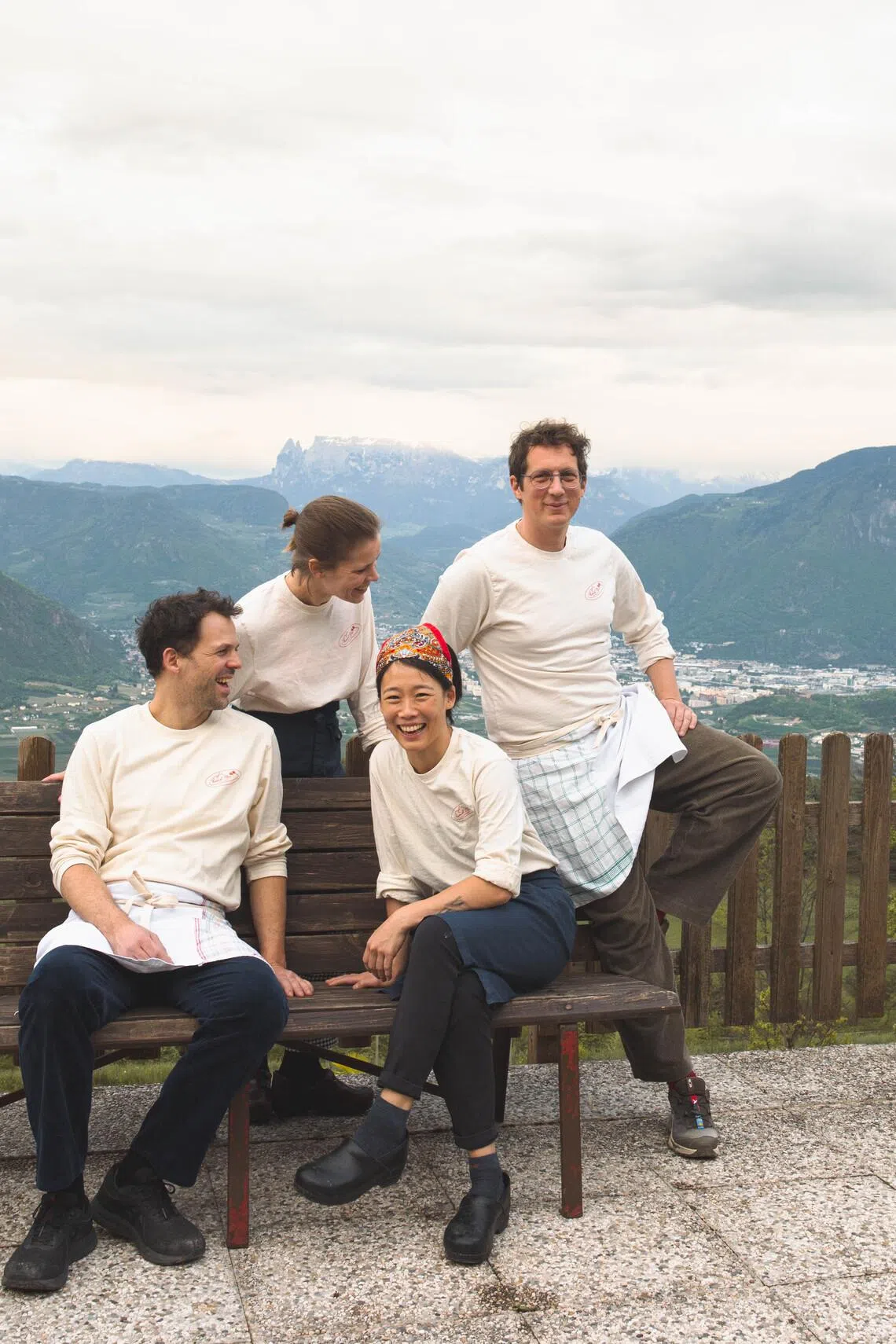
Pramol Alto is run by chefs and co-founders Jakob Zeller (foreground, left) and Ethel Hoon (foreground, right), as well as chef Julia Heifer (background, left) and sommelier Core Kurtenbach (background, right).
PHOTO: BABI GORFER
It is a philosophy that has trailed her ever since. Increasingly, another dimension of her identity has started bleeding into her cooking too. “Rarely now do we have a menu that doesn’t have any Asian experience,” says chef Hoon.
Even thousands of kilometres away from Singapore and 800m above sea level, she has found a way to capture a taste of her home continent through local ingredients. For example, soya sauce is made from lupin beans, and miso from dried sourdough bread. And seabass is substituted with Arctic char in her version of Cantonese steamed fish.
“We’re not trying to overtly imitate Singaporean dishes, but we’re influenced quite a lot by techniques that aren’t necessarily grounded in European cooking any more.”
She describes the food at Pramol Alto as regionally focused but internationally influenced. Guests are a good mix of locals – who drive over from Bolzano, the capital of South Tyrol, which is 15 minutes away by car – as well as European tourists.
Not all attempts at marrying Asian recipes with European ingredients have been successful, though. Chef Hoon recalls an instance in Austria when she tried serving a version of chicken rice, with pale, poached meat. “People didn’t really understand the texture of the chicken and the fact that it was not roasted brown. They couldn’t overcome the visuals of it.”
But on the whole, she says most guests have been remarkably open-minded. “I think they’ve enjoyed trying something different. These are flavours that you don’t usually get in the area and I think they’ve become a distinct style of ours.”
She plans to stay here long term and turn Pramol Alto into a local landmark. “This is a place which has a lot of meaning for us. It’s something we’ve dreamt of for so long, and it seems like the right time to kind of just grow some roots.”
Dining and Cooking