
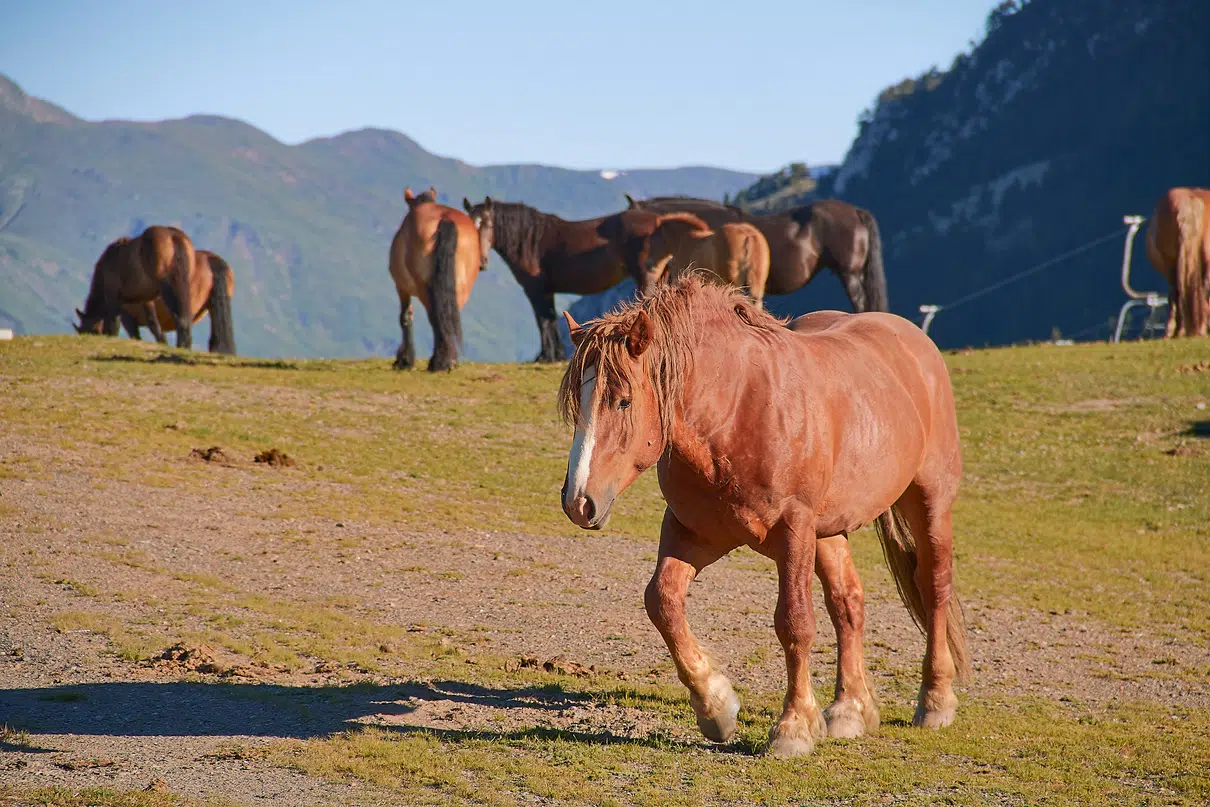
Italy is preparing for a significant shift in its food legislation: a project driven by Michela Vittoria Brambilla, with support from Susanna Cherchi and Luana Zanella, seeks to ban the consumption of horse meat by considering equines as companion animals.
The proposal has already begun its processing in the Chamber of Deputies and reflects a growing social trend towards the protection of horses and the reduction of their exploitation.
This change is part of a broader ethical debate in Europe, where food decisions are beginning to depend not only on nutritional criteria but also on social and cultural values linked to animal welfare and transparency in the food chain.
Nutritional profile of horse meat
Traditionally, horse meat has been appreciated for its nutritional value:
High biological value proteins: 20–22 g/100 g, essential for the maintenance and repair of tissues.
Low fat content: between 2 and 5 g/100 g, with a lower proportion of saturated fats.
Polyunsaturated fatty acids: omega-3 and omega-6, favorable for cardiovascular health.
Bioavailable heme iron: 3–4 mg/100 g, useful for preventing iron deficiency anemia.
B vitamins: especially B12, B6, and niacin, key for energy metabolism and neurological function.
Minerals: phosphorus, zinc, and selenium, essential for the immune system.
Additionally, its high muscle glycogen content gives it a slightly sweet taste and an intense red color, differentiating it from other red meats.
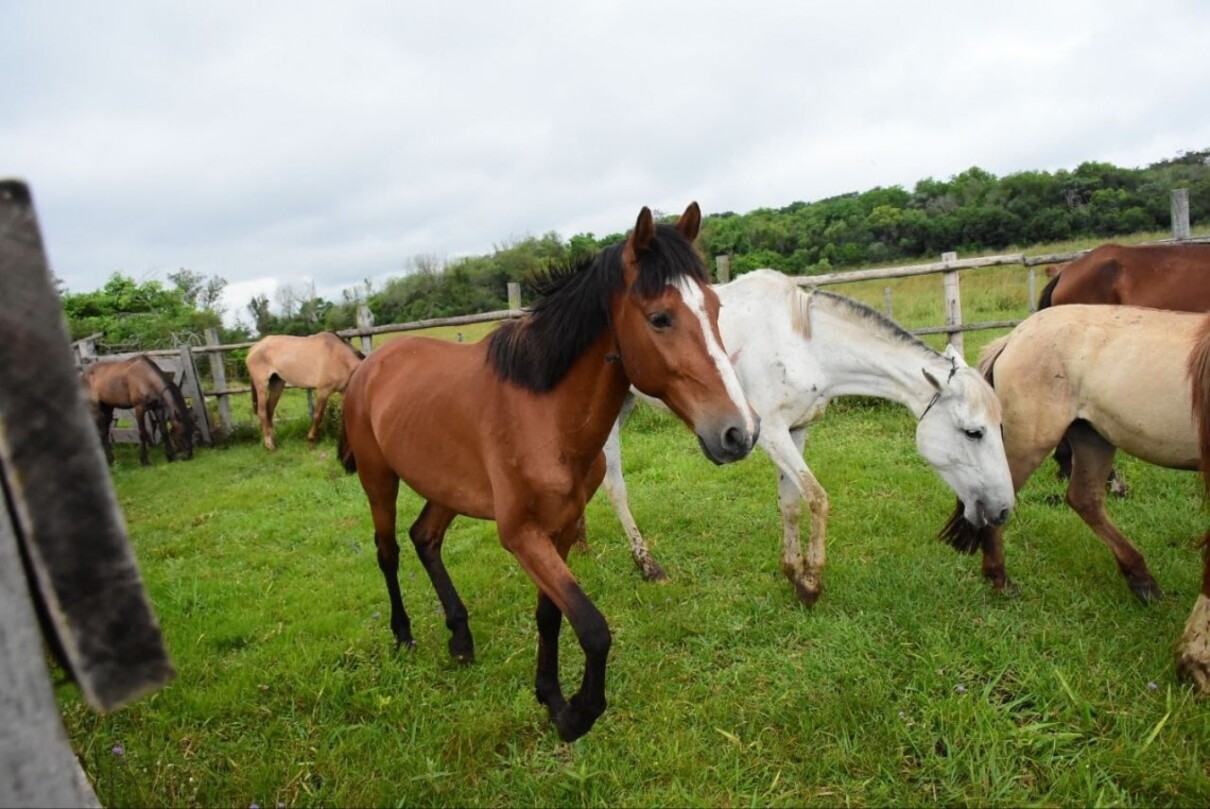 Italy considers banning horse meat.
Evolution of consumption in Italy
The consumption of horse meat in Italy has significantly decreased:
In 2012, there were more than 70,000 consumers per year.
In 2024, the figure dropped to 22,000, reflecting a cultural shift towards perceiving the horse as a companion animal rather than food.
This decline adds to the European controversies over meat labeling and the growing social sensitivity towards animal welfare.
Social and legislative implications
The Italian proposal does not respond to public health criteria but to a cultural and ethical evolution. Horse meat, healthy from a dietary point of view, finds itself at a crossroads between gastronomic tradition and new legislative orientations.
If the law is approved, Italy would become a European benchmark in the protection of horses, setting a precedent that could influence other countries where consumption is still common.
The Italian initiative reflects how food policies no longer depend solely on nutrition but also on transforming social values. Horse meat, with a favorable nutritional profile, faces an uncertain future in Europe, where sensitivity towards companion animals and animal welfare is gaining ground against gastronomic tradition.
Dining and Cooking