
The history of Roman pizza without tomatoes and mozzarella
Fun

Express newspaper
24/02/2026 21:14
A dish inspired by the ancient Romans is attracting attention – and not always for its taste. Pizzeria Neverland in Budapest has created a limited edition version of the pizza using only ingredients that were available 2,000 years ago in Ancient Rome.
This particular creation includes fermented spinach juice, olive paste, fish sauce, and confit duck leg. But it contains no tomatoes – which arrived in Europe many centuries later – nor mozzarella, which did not yet exist.
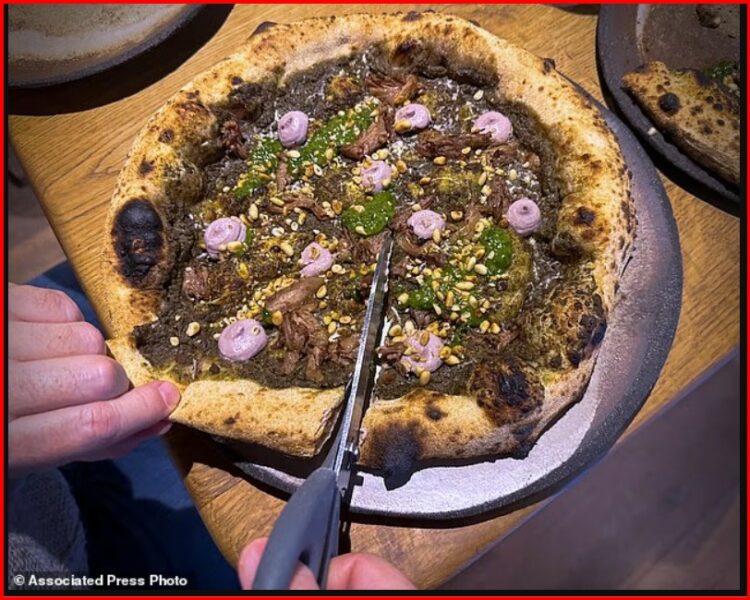
“Curiosity led us to imagine what pizza might have been like in the past,” says Josep Zara, the pizzeria’s founder. “We went all the way back to the Roman Empire and asked if they even ate pizza.”
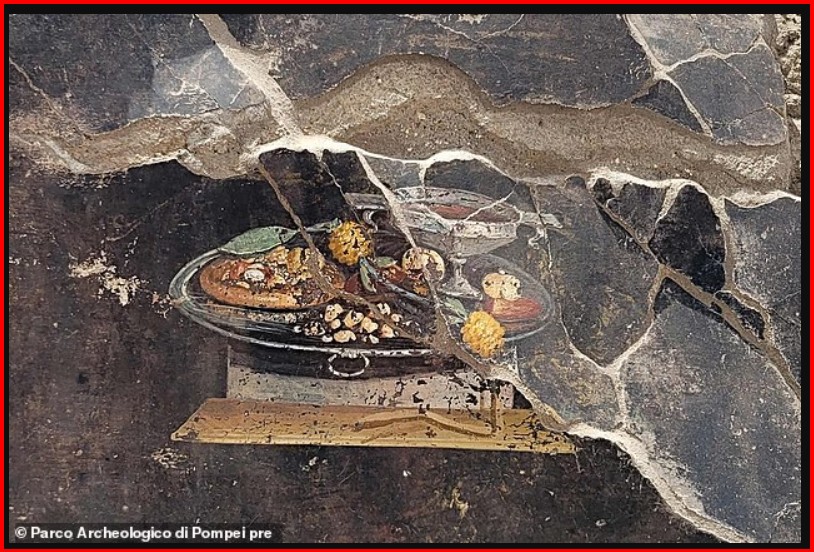
The ancient Romans didn’t know pizza as we know it today – a round dough topped with tomatoes and cheese – but they did eat oven-baked flatbread with spices, cheese and sauces, which is considered the ancestor of modern pizza. In 2023, archaeologists discovered a fresco in Pompeii showing a flatbread similar to focaccia, covered with pomegranate seeds, nuts, spices and a pesto-like mixture.
Inspired by this, Zara began researching Roman culinary history, consulting a historian in Germany and the ancient cuisine “De re coquinaria” from the 5th century. He compiled a list of historical ingredients for the pizzeria’s head chef, Gergely Bárdossy.
“We had to exclude everything that came from America, like tomatoes and mozzarella,” Zara said. The harsh conditions posed a challenge, as more than 80% of pizza dough is water, and the water network did not exist in Roman times. They found the solution in fermented spinach juice, which helped the dough rise. The base was formed by ancient grains like einkorn and spelt, which made it a little denser than a modern pizza.
The finished pizza contains ingredients of aristocratic Roman cuisine: olive paste (epityrum), fermented fish sauce (garum), confit duck leg, roasted pine nuts, ricotta, and grape reduction.
“Many people are looking for more traditional pizza, but this is something special for a small group that finds it delicious and intriguing,” says Bárdossy.
The fresco that inspired pizza was found on the wall of a house in Pompeii, the Roman city that was destroyed by the eruption of Mount Vesuvius about 2,000 years ago. Experts at the archaeological park consider this to be a distant ancestor of modern pizza – just 14 miles away from Naples, the modern-day home of pizza. /GazetaExpress/
Dining and Cooking