
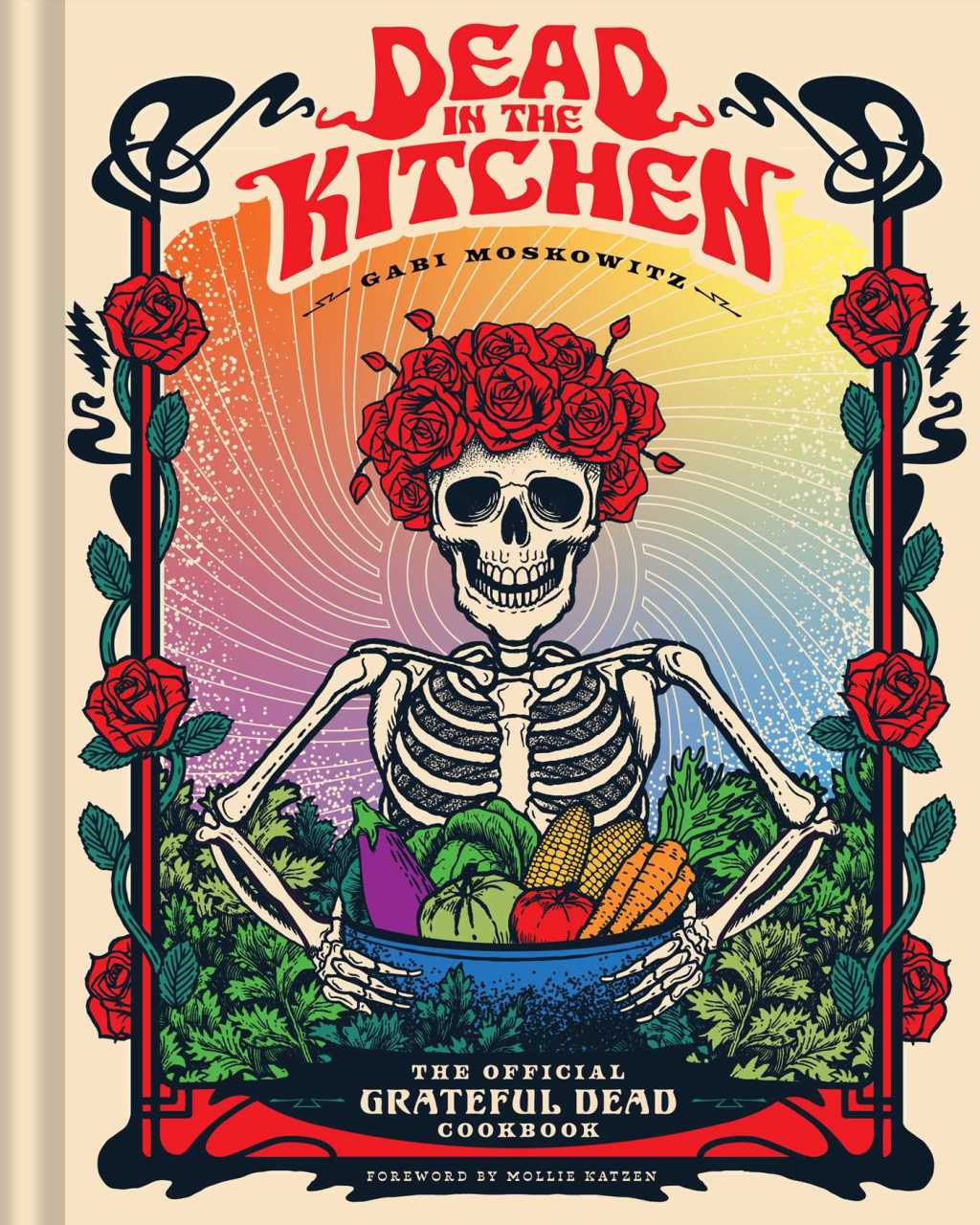
SANTA CRUZ — Around the same time The Grateful Dead were developing a fervent following that embarked on pilgrimages to their many epic live shows, several other movements were happening simultaneously. One was the rise of health food, which had been prioritizing locally produced and sourced, toxin-free foods since at least the ’40s and came to a head during the ’60s counterculture movement.
These two concurrent movements coalesce in Gabi Moskowitz’s new cookbook “Dead in the Kitchen: The Official Grateful Dead Cookbook” featuring vegetarian and vegan recipes inspired by the iconic jam band and their equally iconic live shows. Moskowitz will be discussing the book — and providing a sample of the book’s roasted carrot hummus recipe — at Bookshop Santa Cruz Thursday where she will be joined by author and historian Jim Newton for a full-on discussion on The Grateful Dead, the countercultural movement and the food that nourished those involved.
Moskowitz said the surviving members of The Grateful Dead wanted to do an official cookbook for a long time. David Lemieux, the band’s legacy manager and archivist, approached publisher Weldon Owen — a division of Insight Editions — about publishing a book of recipes and wanted an author who fit the book’s goals.
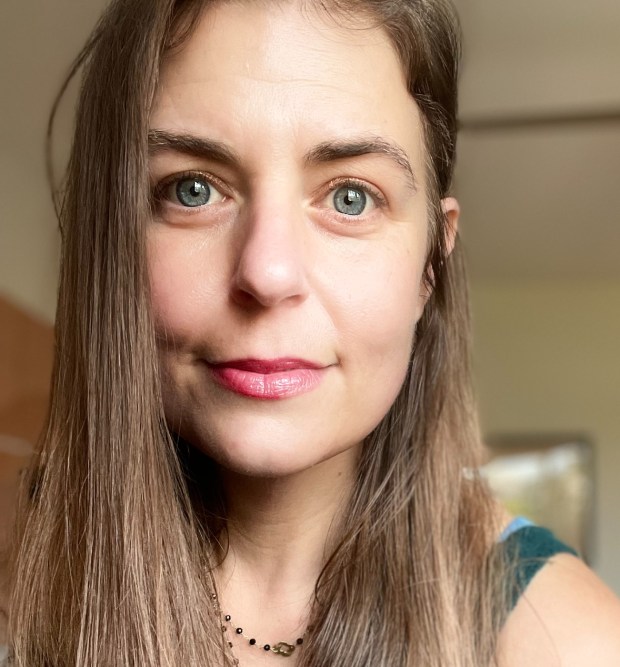 Gabi Moskowitz. (Contributed — Evan Wolkenstein)
As a lifelong Deadhead, professional food writer and editor of BrokeAssGourmet.com, Moskowitz knew Weldon Owen’s executive cookbook editor and fit that role.
“He reached out to me and said, ‘I think we have a great project for you,’” she said.
Now residing in Marin County, Moskowitz grew up in Sonoma County where her parents — while not Deadheads themselves — took a lot of inspiration from the countercultural health food movement. Thus, instead of hot dogs and macaroni and cheese, she grew up on meals that included tofu, brown rice and sprouted wheat bread.
“I equate that kind of food with comfort food,” she said. “The kind of food that I wrote about in the book, the kind of food that Deadheads were such an important part of spreading throughout the world, that is how I think of comfort food.”
Moskowitz submitted sample recipes, and after being given the green light, chose how she wanted to structure the recipes. The end result was something she described as being akin to the structure of a Grateful Dead concert.
The book begins with a prelude called “The Kind Kitchen,” consisting of pantry essentials like beans, lentils and vegetable broth that are essential to a lot of the book’s recipes. The first chapter is called “The Lot” and features recipes from the Shakedown Street marketplaces that would pop up in the parking lots of Dead shows and sell items like art, tie-dye shirts and foods like grilled cheese sandwiches and veggie burritos.
Moskowitz provides her own take on these kinds of foods, including three different grilled cheese sandwich variations and a tempeh satay to provide a vegetarian version of meat skewers commonly sold at Grateful Dead concerts.
This then gives way to a “Dressing Room” chapter on dressings and sauces, an “Opening Act” chapter on appetizers and a “Tuning Up” chapter inspired by the band’s improvisations during sound checks.
“They would pluck out the melody of ‘Little Bunny Foo Foo,’ which was funny for everyone, or they would play a few bars just to tease the audience about what they might open with,” said Moskowitz.
Thus, the chapter is devoted to soups and salads like a broccoli stem soup. Other chapters include “First Set” for quick weeknight dishes, “Second Set” for larger meals with more steps and “Encore” for desserts. Along the way, readers will encounter recipes like Buffalo tofu, chipotle carrot tacos, meatless meatball sandwiches and curried vegetable pot pies.
“I was looking both at food that really symbolized the vegetarianism and health food movement that were such an important part of that time, and which Deadheads really helped to spread,” she said. “It became such an intrinsic part of Grateful Dead culture.”
One chapter is called “Riff Break,” which provides ingredients for people to improvise their own recipes from.
“It’s hard to write about improvisational cooking in a really prescriptive way, but I know it was a really important part of telling The Grateful Dead’s story through food,” said Moskowitz.
It is a method that Moskowitz often relies on when she has to cook for her family of four.
“Once you nail improvisation in the kitchen, it just becomes you,” she said.
Lemieux also incorporates some of his favorite recipes in a section called “Dave‘s Picks,” in honor of a series of live Grateful Dead albums of the same name. The foreword was written by Mollie Katzen, author of “The Moosewood Cookbook,” which shares recipes from the famous Ithaca, New York, natural foods restaurant.
“Her recipes … really defined the era in terms of vegetarianism,” said Moskowitz.
One of Moskowitz’s favorite recipes from the book, which she will be sharing at Bookshop Santa Cruz, is a roasted carrot hummus. The spread is made from lentils rather than chickpeas and pureed with roasted carrots, cilantro, lemon juice and spices.
“It’s fantastic over toast,” she said. “I love it with the spicy crunchy chili oil, which is another recipe in the book.”
Moskowitz said the feedback to the book has been very positive, with Deadheads telling her it reminded them of the kinds of food they would eat in the parking lots before the shows started. These responses were especially prominent during a release party for the book hosted at Greens Restaurant in San Francisco in the fall, which also featured a live band performing Grateful Dead covers.
“People kept coming up to me and say the feeling of eating a burrito and listening to this great band play live Dead music feels like they got in a time machine and were in their late teens or 20s again,” she said. “That is exactly what I wanted to accomplish.”
The event, titled “Kitchen Counterculture,” will provide a double dose of Dead. Moskowitz will be joined by Newton, who is a UCLA professor, former Los Angeles Times reporter and author of “Here Beside the Rising Tide: Jerry Garcia, the Grateful Dead, and an American Awakening.” Newton’s book, which Moskowitz has called one of the best Grateful Dead books, explores the story of the band’s legendary lead guitarist and singer as well as the social and political changes that happened during The Dead’s heyday.
“Jim weaves back and forth between the counterculture and Jerry, and Jerry’s story and the progression of the band,” she said.
Moskowitz said “Dead in the Kitchen” also provides insight into the counterculture era through food. She emphasized that Garcia was not known for eating the kinds of recipes found in the book — he only became a vegetarian in his later years for health reasons — but they still reflected changes toward more health-conscious diets in an era where Whole Foods didn’t even exist yet.
“The changes in food have a lot to do with changes in society, changes in the way that Americans were starting to eat,” she said.
In addition to feelings of nostalgia and good food, Moskowitz hopes readers will take away the many values The Grateful Dead espoused, including compassion and a sense of camaraderie with others.
“Their message of kindness and interconnectedness and the importance of understanding that the world is one is something that I think won’t ever go out of style,” she said.
The event is 7 to 8 p.m. Thursday at Bookshop Santa Cruz, 1520 Pacific Ave., Santa Cruz. To RSVP, go to BookshopSantaCruz.com.
Dining and Cooking