
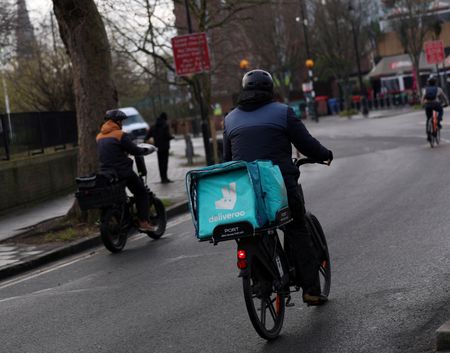
Milan prosecutors have placed Deliveroo’s Italian operations under court supervision amid allegations the company exploited thousands of delivery workers. The investigation reveals drivers earned as little as $3-4 per delivery, working up to 17 hours daily while living below the poverty line.
Italian authorities have taken control of food delivery company Deliveroo’s operations in the country following accusations of widespread worker exploitation, according to court documents released Wednesday.
Milan prosecutors appointed a court-supervised administrator to oversee the company’s Italian branch and launched an investigation into its chief executive. The move aims to address alleged violations of labor laws and improve working conditions for delivery drivers.
Deliveroo, which was purchased by U.S.-based DoorDash for approximately $3.92 billion last year, has not yet responded to requests for comment regarding the legal action.
The crackdown follows similar enforcement measures taken against Spanish delivery service Glovo’s Italian operations just two weeks earlier, highlighting growing scrutiny of the gig economy sector.
Court documents reveal that Deliveroo employed roughly 3,000 delivery drivers in the Milan region and approximately 20,000 across Italy. Prosecutors argue these workers, known as “riders,” were classified as independent contractors despite functioning as employees under company control through digital platform management.
According to the 60-page legal filing, delivery drivers earned between $3.53 and $4.71 per delivery while covering their own transportation and equipment costs. Italian statistics show the poverty threshold stands at about $860 monthly for single individuals and $1,435 for couples.
Investigators found that some workers earned up to 90% below poverty-level wages compared to standard employment contracts in the industry.
The legal documents include sworn statements from 54 workers, predominantly immigrants from Pakistan and Nigeria. These individuals reported working 10 to 17 hours daily, seven days per week, earning barely enough to afford shared housing, basic food, and small remittances to family members abroad.
“Investigations reveal genuine labor exploitation occurring over multiple years affecting a substantial number of workers receiving compensation completely inadequate for their work output,” prosecutors stated in their findings.
“This unlawful practice must cease immediately, particularly given the significant worker population surviving on sub-poverty wages,” the document continued.
This enforcement action represents part of Italy’s broader three-year campaign targeting labor violations across multiple industries throughout the country.
Dining and Cooking