
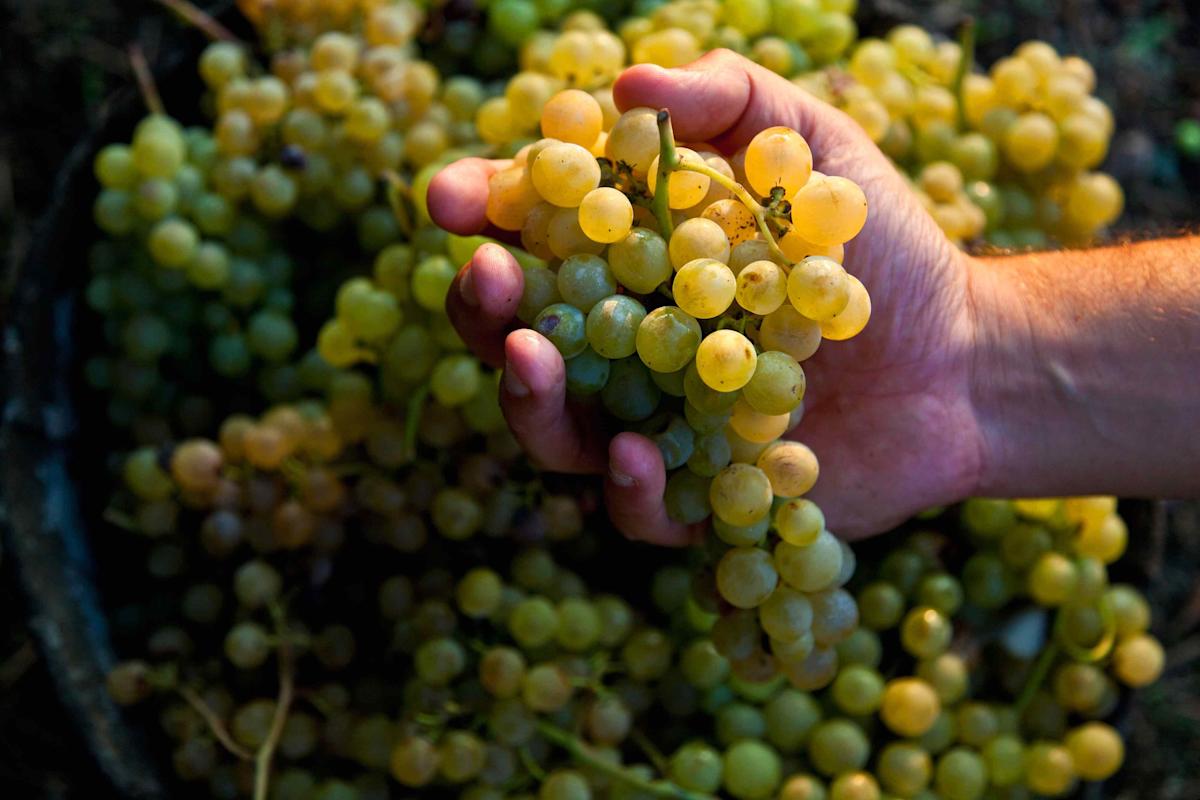
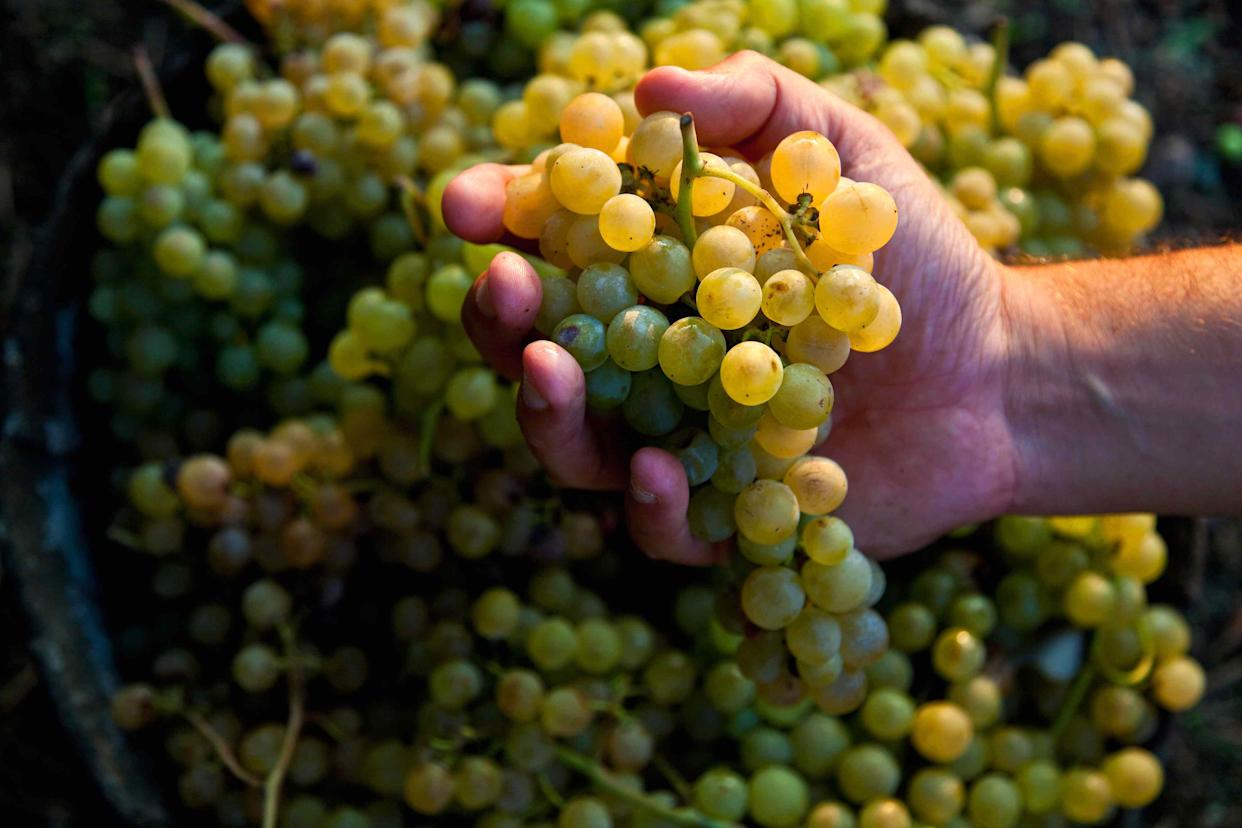
Credit: Atlantide Phototravel / Getty Images
Producers in several Italian regions craft white wines of significant complexity. They offer sumptuous aromas and impressive richness, often with the structure to cellar for more than a decade.
While Trentino-Alto Adige and Friuli are routinely identified as ideal locales, many believe today’s finest Italian white wines are produced in the southern region of Campania, with the most essential offerings made from three varieties: Fiano, Greco and Falanghina.
Here’s a primer on these three of Campania’s finest biancos, including which bottles to find and try now.
Fiano
Fiano is the most widely planted white variety in Campania. It’s represented most famously as Fiano di Avellino, produced in a zone of 26 communes in the province of Avellino, also known by its ancient name, Irpinia.
Hillside vineyards as high as 2,300 feet above sea level yield wines of lively acidity. This not only offers great freshness, but guarantees excellent cellar potential, sometimes up to three decades.
Often grown on limestone and volcanic soils, “Fiano is rich in mineral notes,” says Vincenzo Mercurio, one of Campania’s leading consulting winemakers. Fiano is also highly aromatic, with aromas that range from pear and melon to yellow flowers and even incense and gunpowder, especially when the grapes are grown in limestone or volcanic clay soils.
Related: The 9 Best Italian White Wines for Anyone Who Loves Fresh, Crisp Flavor
Superb examples of Fiano are also produced in the Salerno province that borders the Mediterranean Sea.
Top producers include San Salvatore 1988, with its strikingly pure version known as Pian di Stio, and Luigi Maffini, whose examples of Fiano are from vineyards very close to the sea in the Cilento area.
Maffini’s Pietraincatenata, which sees a portion of the wine atypically aged in wood, is a powerful, organic selection with notes of beeswax, honey, and lemon oil.
Fiano is best paired with foods such as ravioli with ricotta, baccalà (dried salt cod), or pork tenderloin.
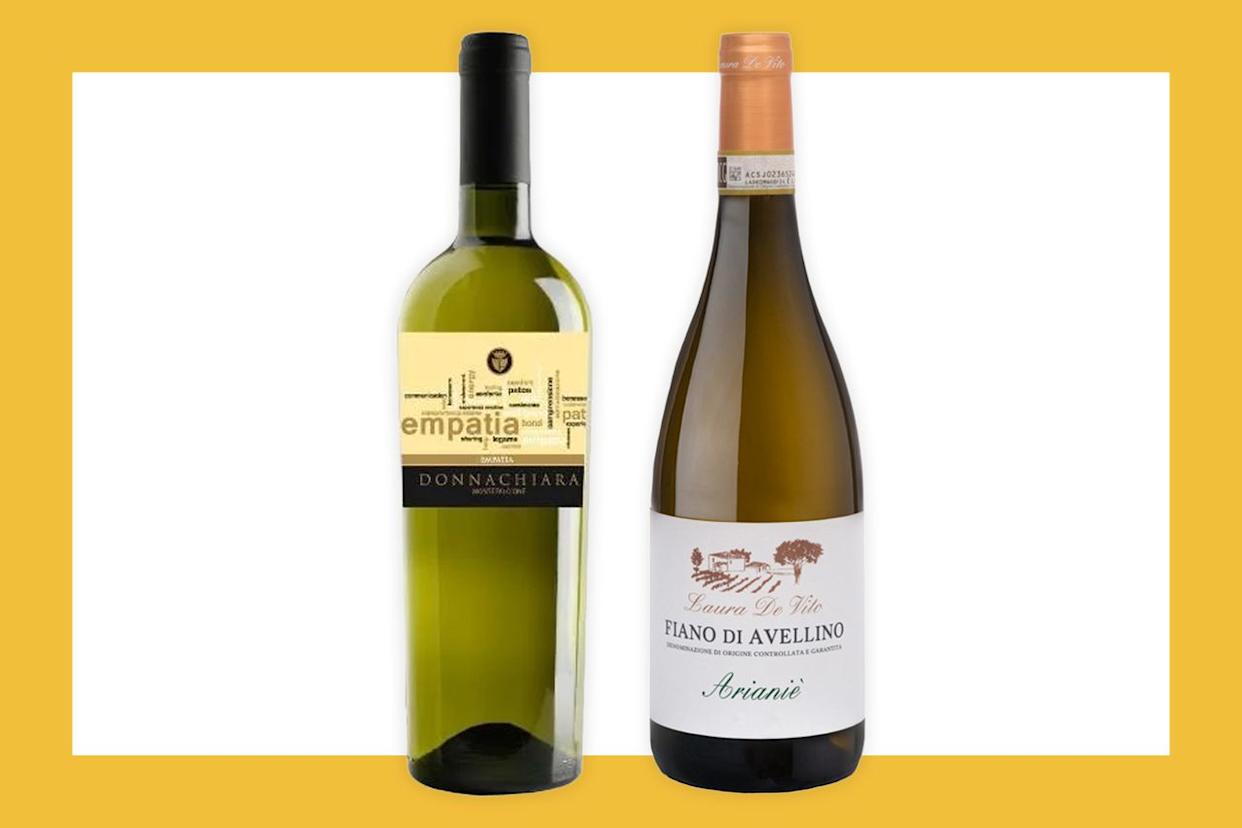
Credit: Food & Wine / Donnachiara / Laura de Vito
Recommended wines2024 Donnachiara Empatia Fiano di Avellino ($25)
This leads with intriguing aromas of pine, mint, Bosc pear, and anise. It boasts a rich, layered midpalate, with beautifully ripe fruit, vibrant acidity, and outstanding complexity. It’s a brilliant Fiano that combines intensity with sleekness and is enjoyable now, though it should peak in eight to 12 years.
2021 Laura de Vito Arianiè Fiano di Avellino ($45)
Aromas of lime, white peach, basil, and goldenrod lead the nose. Next up is a rich midpalate, with excellent ripeness, very good acidity, and a powerful finish of green tea and a light saltiness. With outstanding complexity and varietal purity, enjoy this wine now and over the next four to seven years.
Greco
The most glorious version of Greco being produced is Greco di Tufo from the Avellino province. The production zone, just north of the Fiano di Avellino zone, comprises eight communes, one of which is Tufo, from which the wine takes its name. The area is named for the soils found in the area. Tufo is a type of rock made from volcanic ash and was used to build local houses and churches.
At first glance, Greco and Fiano seem similar. Each are long-lived wines with very good acidity, and most versions are vinified in steel, not oak. Yet they are quite different, says Antonio Capaldo, proprietor of Feudi di San Gregorio in the village of Sorbo Serpico.
“Fiano represents the elegance, while Greco is the power of what Irpinian white wines can be,” says Capaldo.
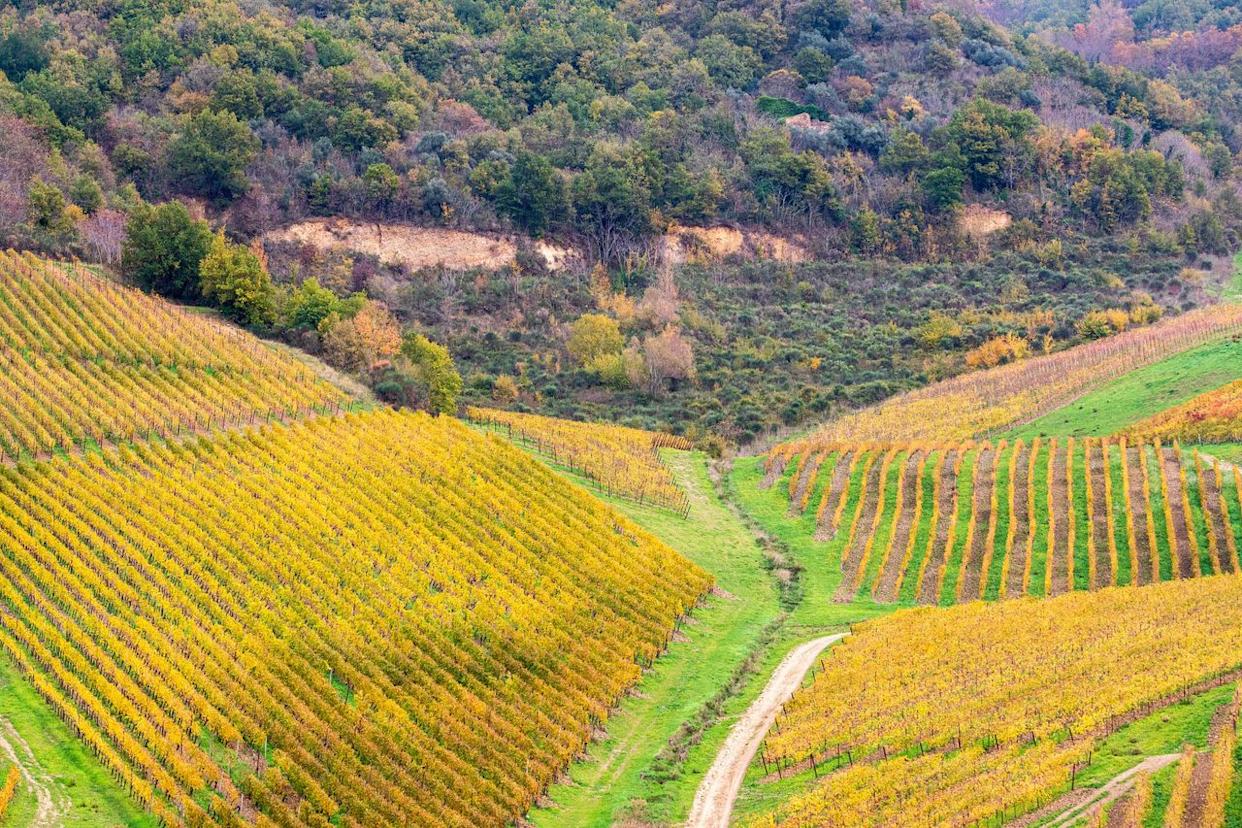
Feudi di San Gregorio’s Cutizzi Vineyard in the Greco di Tufo production zone
Credit: Photo by Tom Hyland
This impression has led to the idea that, given its weight, Greco is like a quasi-red wine.
The power and overall harmony of Greco di Tufo combine to create a highly distinctive wine that displays aromas such as golden apple, grapefruit, melon, and herbal notes such as rosemary and sage. Few Italian whites offer this much character.
Typical dishes to accompany this wine include mozzarella di bufala, minestrone, escarole and beans, and seafood-centric fare such as linguini with clams.
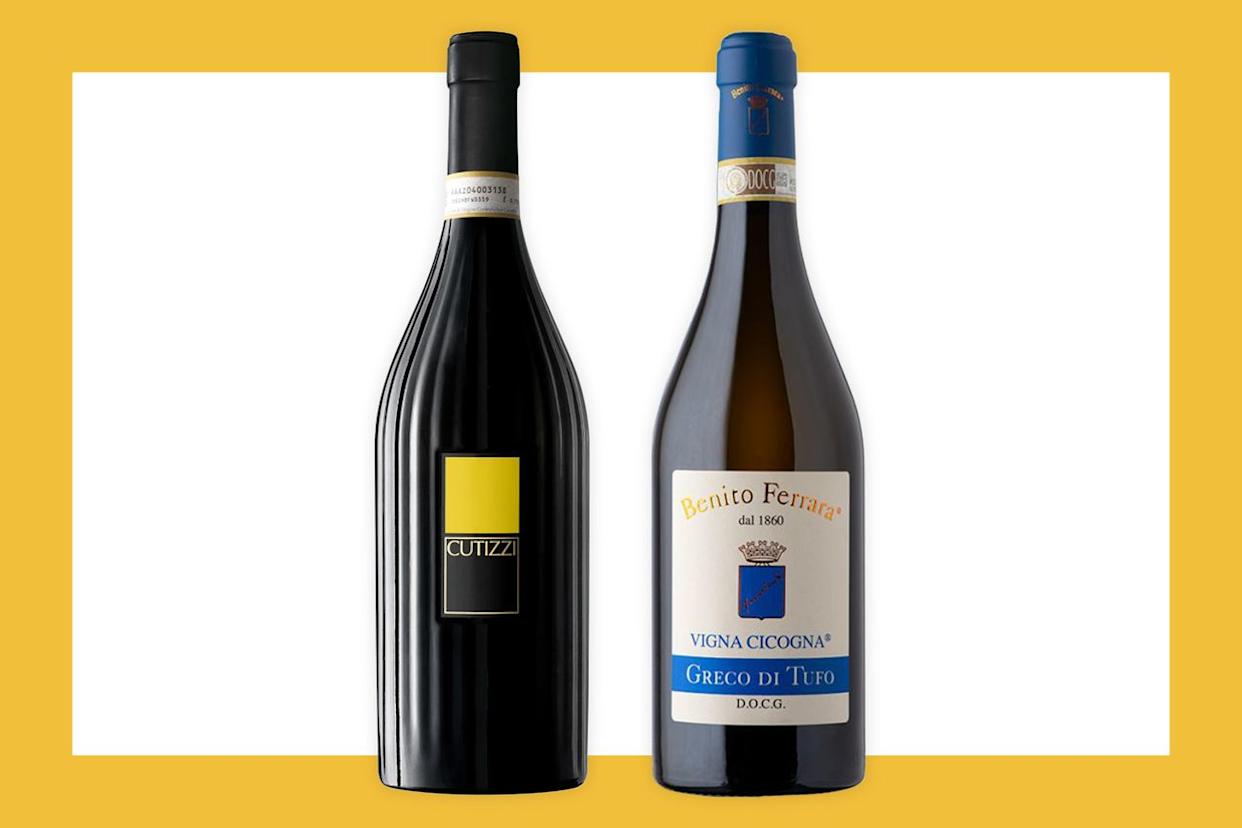
Credit: Food & Wine / Feudi di San Gregorio Società Agricola SpA / Azienda Agricola Benito Ferrara
Recommended wines2024 Feudi di San Gregorio Cutizzi Greco di Tufo ($35)
From a stunning vineyard, this classic Greco offers aromas of lemon peel, mint, and Mediterranean yellow flowers (ginestra). It’s medium-full in weight, with ideal ripeness, very good acidity, excellent complexity, and outstanding varietal purity. The finish has appealing notes of orange pulp and turmeric. This is a classic example of Greco’s identity and beautiful sense of place. Enjoy it over the next three to six years.
2024 Benito Ferrara Vigna Cicogna Greco di Tufo
Lovely aromas of honey, melon, and passionfruit lead the nose. Ideally ripe, this offers lush fruit along with brilliant complexity and a very long finish, with lively acidity that ties everything together. A textbook Greco di Tufo to enjoy over the next six to eight years.
Falanghina
Falanghina, planted in all five Campanian provinces, typically creates a lighter wine than Greco or Fiano. Its qualities shine in charming apple and citrus fruit characteristics, backed by very good acidity that makes it an excellent choice with antipasti.
The most typical examples of Falanghina are from the Benevento province, just north of Irpinia. Here, the steel-aged wines in the Sannio area offer immediate pleasure with floral and fruit-driven perfumes backed by pleasing acidity.
Related: The Best Italian Wineries to Visit Near Naples
In the far northwest Caserta province, Falanghina represents the history of this area in Falerno del Massico Bianco bottlings. Some believe that Falerno was the first wine produced in Italy.
At Villa Matilde, Salvatore Avallone crafts multiple versions of this typology that includes Vigna Caracci, an amphora-aged Falanghina with an almond note in the finish.
Examples of Falanghina from Campi Flegrei, a small area west of Napoli near the sea, are highly stylized. That’s thanks to a different clone of the varietal, as well as the volcanic soils that dominate the tremor-ridden territory. These wines display a strong minerality and savory character. Grilled octopus and raw fish are ideal accompaniments.
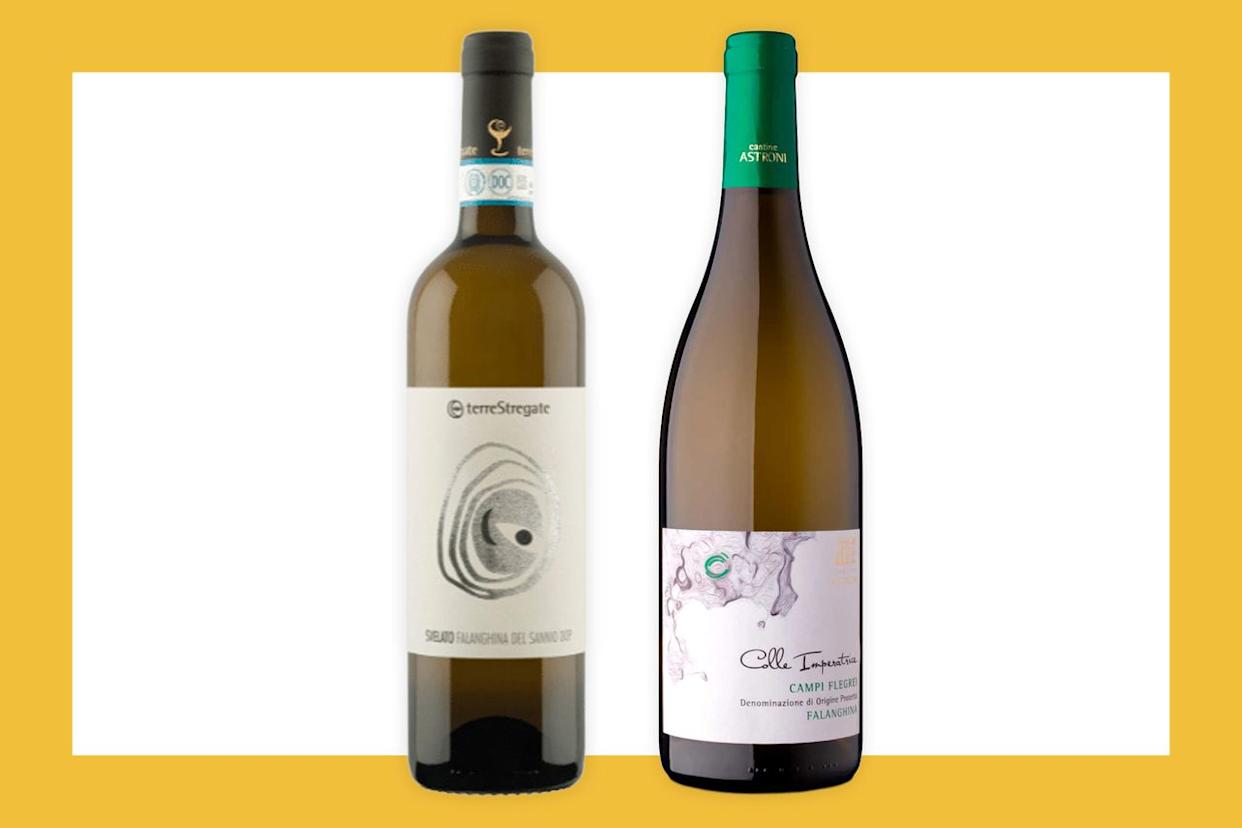
Credit: Food & Wine / Terre Stregate / Cantine Degli Astroni SRL
Recommended wines2024 Terre Stregate Svelato Falanghina del Sannio ($24)
Green apple, Bosc pear, jasmine, and magnolia scents waft from the glass. Medium-bodied, it offers notable pleasure in appealing ripeness, very good acidity, excellent overall harmony, and impressive persistence. Truly delicious, with a delicate note of mint in the finish, this is a crowd pleaser best enjoyed over the next four years.
2024 Cantine Astroni Colle Imperatrice Falanghina Campi Flegrei ($28)
Exotic scents of grapefruit, lime, almond, and acacia flowers form the bouquet. Medium-bodied, this is an intricate Falanghina with distinct notes of medicinal herbs in the finish. Enjoy over the next five years.
Read the original article on Food & Wine
Dining and Cooking