
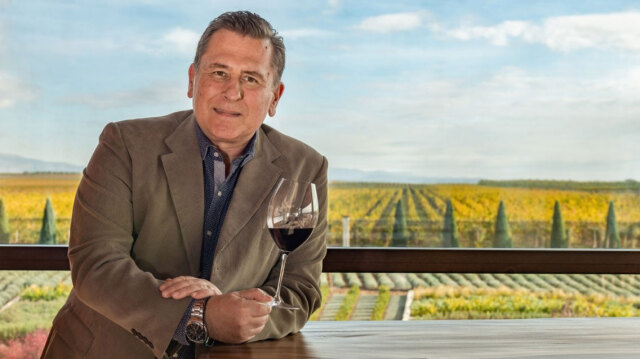
There’s a detail that Angelos Iatridis doesn’t mention in random order: the Ktima Alpha winery from Amyndeon recently became the first Greek winery to join IVES, the most important scientific community in the wine world, in the same company as Château Margaux. He doesn’t say this to impress. He says it because for him it signals something specific: that the Greek winery can now stand on equal footing at the most demanding level of knowledge, not as an exotic presence, but as a real player.
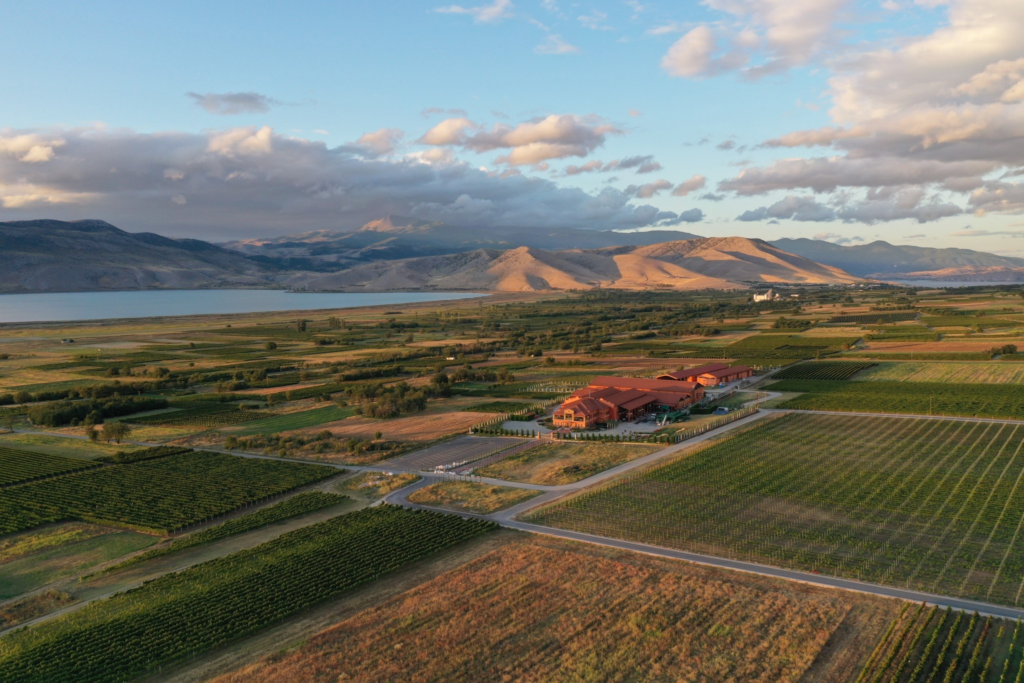
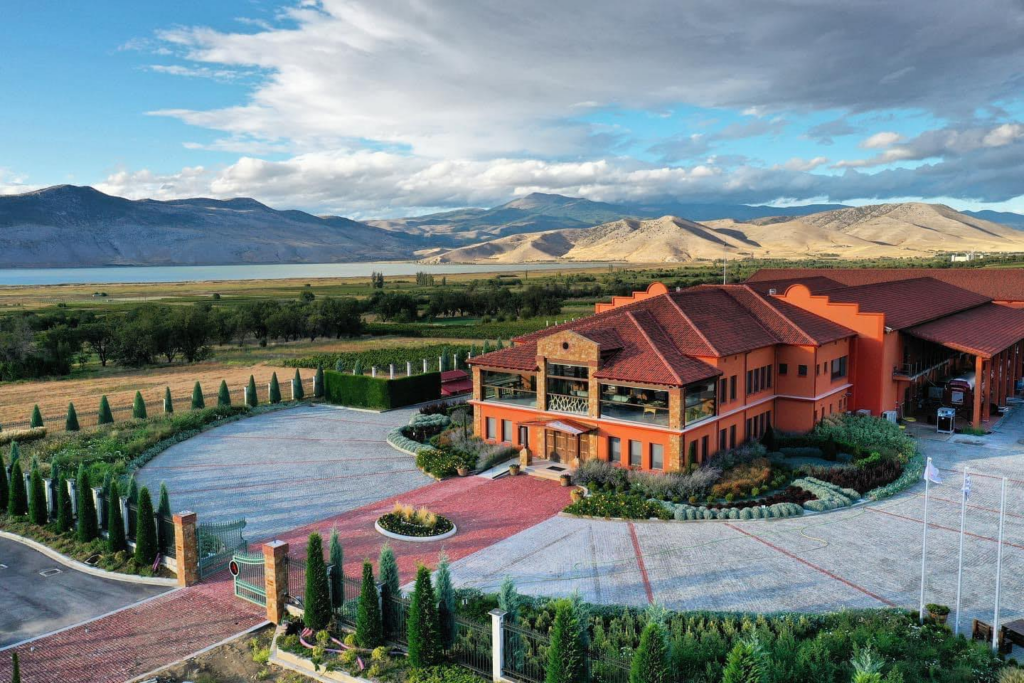
Angelos Iatridis is not the kind of person who hides behind false modesty. He knows what he has built, he knows what is still missing, and — with the clarity that comes from experience — he knows why Greek wines continue to lose ground on wine lists where they should have had a firm place years ago.
Technology Without Romanticism?
The conversation begins with IVES and quickly moves to a recurring question in modern viticulture: what role does technology play in a wine that is supposed to express a sense of place?
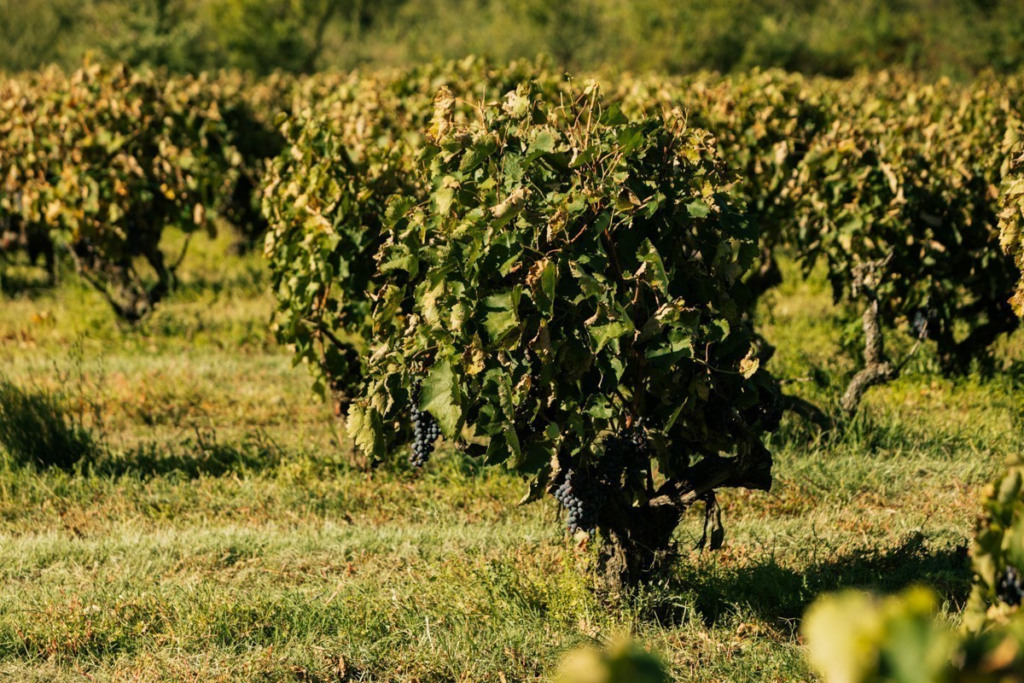
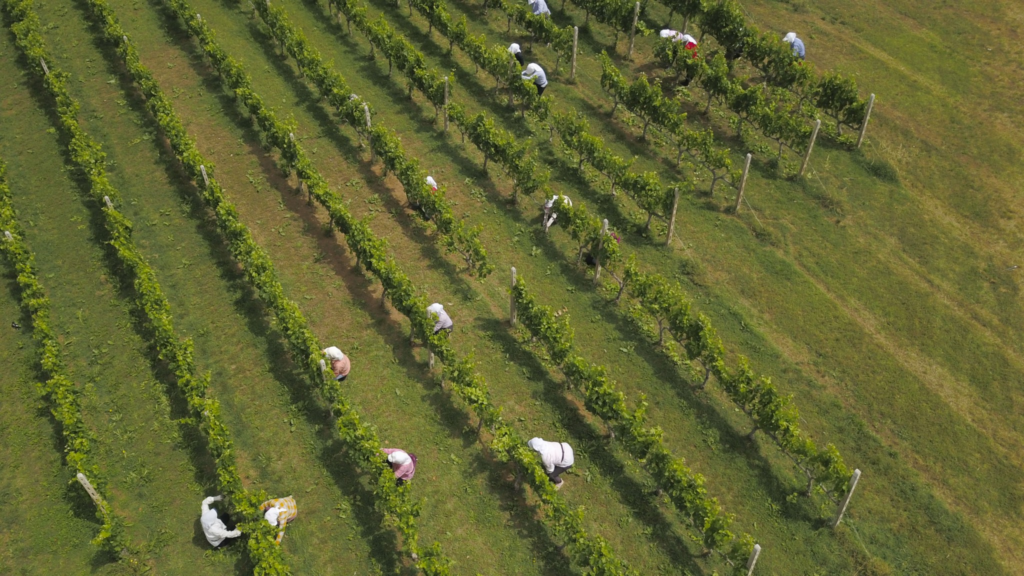
Iatridis answers without hesitation. In Amyntaio — Greece’s coldest winegrowing zone — they use drones, soil sensors, sap flow monitors, and underground irrigation. None of this, he insists, replaces human judgment or the wine’s character. It simply makes decisions more informed and less arbitrary.
“Cold” no longer means “predictable.” Extreme weather events have shifted the balance. Underground irrigation, guided by real-time measurements rather than instinct, allows them to give the vines exactly what they need — before stress affects ripening and ultimately the wine’s profile. Technology, he says, is not the enemy of romanticism. It is the tool that protects it from inadequacy.
The 17 Golden Barrels
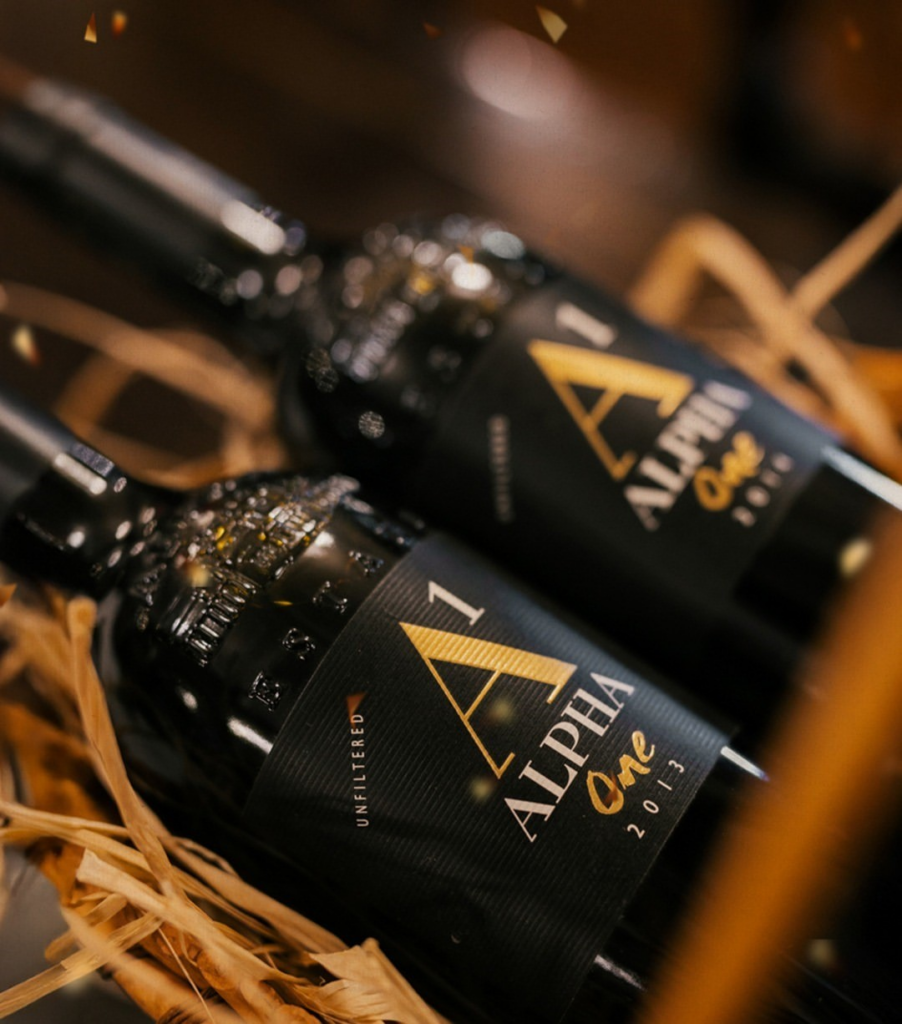
One of the most compelling parts of the discussion concerns the selection process for A1, the estate’s flagship label at Alpha Estate.
Each year, the viticulture and winemaking team follows the harvest from vineyard to barrel, isolating micro-lots based on strictly oenological criteria: intensity, balance, structure, and above all, uniqueness. On average, 17 barrels make the final cut for that year’s A1.
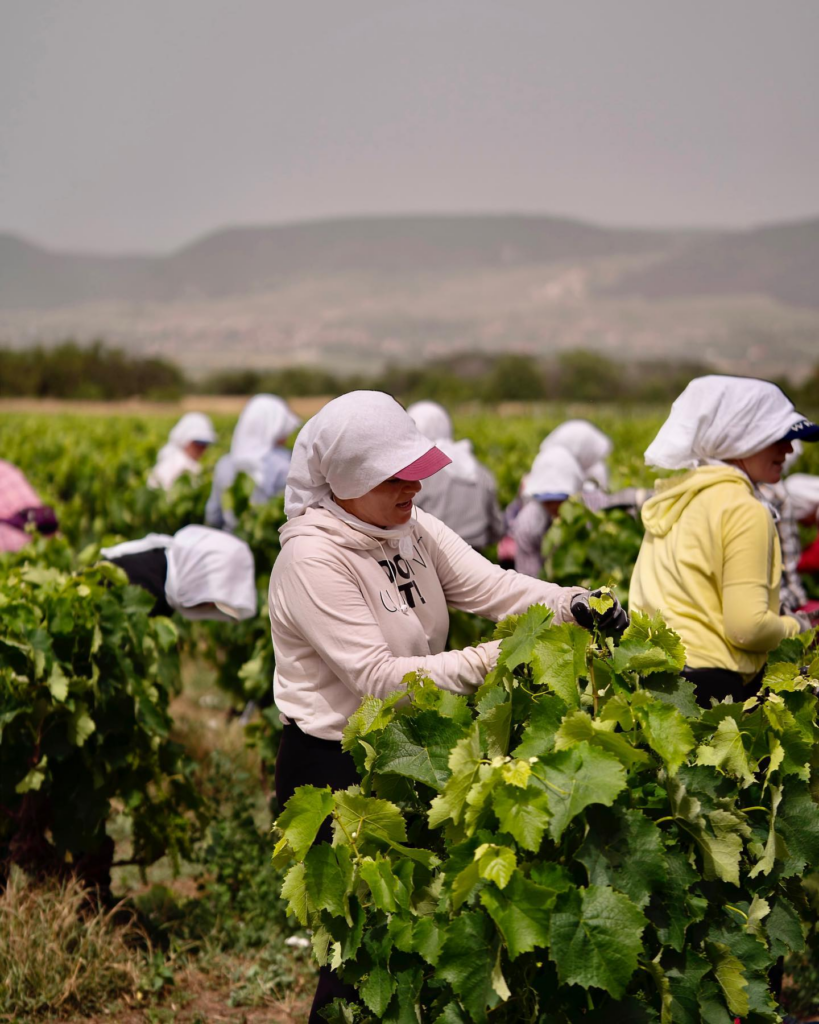
What makes the process unusual is that the varietal composition changes every year, depending on what the harvest delivers. Iatridis rejects the idea that this is risky. What remains constant, he says, is not the blend percentages but the level and identity of the wine. A1 must not only be exceptional — it must be singular. And singularity cannot be reproduced by formula.
A Vineyard Planted in 1919
At this point, one of the strongest pillars of his philosophy emerges: a vineyard planted in 1919. Ungrafted vines, over a century rooted in the same soil.
He speaks of it as something entrusted to him — not an asset, but a living presence. Managing it commercially, he suggests, is almost inversely proportional to its uniqueness: they do not exploit it, they serve it. For him, the vineyard is the living history of Xinomavro — proof of what a place can give when its roots are deep, both literally and metaphorically.
Santorini — Precisely Because It’s Under Pressure
The most significant business move of recent years has been the acquisition of the Boutari winery in Santorini.
At first glance, it may seem contradictory. But Santorini’s vineyard is under intense pressure: aging growers, land displacement due to tourism, uncertainty about the next generation. Iatridis says they chose Santorini precisely because it is under strain.
He believes the next chapter of Assyrtiko will not be written through statements, but through action. Their action is a five-year plan: technical support for growers and a focus on highlighting the meaningful — and largely unknown — differences between individual vineyards on the island.
On “Natural” Wines
His view on natural wines follows the same measured logic. If some wines are labeled “natural,” he asks, what are the others?
Viticulture is intervention by definition, he points out. Pruning is among the most “violent” acts you perform on a plant. The issue is not the label, but the degree and consistency of intervention. On that, he says, serious wine professionals largely agree.
The Uneven Battle
The most political moment of the discussion comes when the focus turns to the global market. Greek wines, he says, are fighting an uneven battle.
Their competitors begin with centuries-old brands, massive marketing budgets, and international networks that operate like machines. Greece’s advantage cannot be bought: it is its people. The Greek grower working difficult soils, persisting, improving, putting something inexpressible into the wine.
The problem — implied rather than stated — is that this advantage does not automatically translate into presence on international wine lists. It requires authenticity of place, scientific rigor, and above all, consistency from vintage to vintage. Top restaurants, he says, do not add a country to their lists. They add an experience that does not disappoint.
Taste as Memory
Toward the end of the conversation, unexpectedly, Constantinople enters the picture. Iatridis grew up with the flavors of the city’s confectionery tradition — aromas, textures, details that linger.
That experience shaped his aesthetic: the idea that greatness, whether in wine or pastry, does not shout a single element. It works as harmony in layers. First it draws you in, then it reveals itself. And in the end, it stays with you.
And Amyntaio? Why remain there, when he could have chosen a place with greater myth?
His answer is the simplest — and most complete — of the conversation: there, they do not simply make wine. They belong.
“You can make wine in many places around the world,” he says. “But roots are not planted every day.”
Ask me anything
Explore related questions
Dining and Cooking