
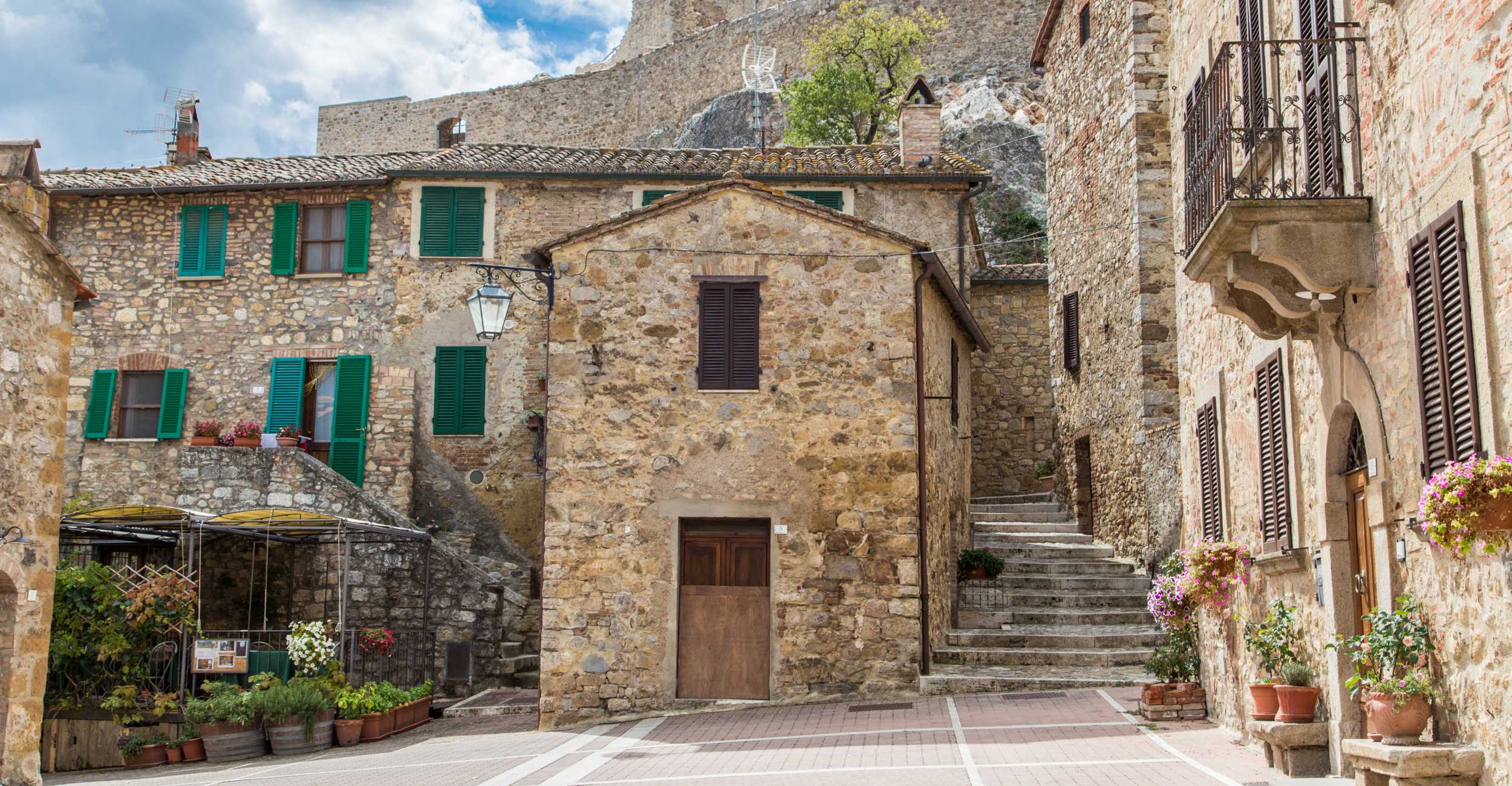
March is a month of transition, and in Tuscany, this shift becomes unmistakably clear. Winter hasn’t fully stepped aside yet, but spring quietly starts to make its presence known—in the vineyard rows where the first buds appear, in the fields slowly turning green again, and in the air, which grows milder while still holding on to its crisp edge. It’s an authentic moment, far removed from the faster pace and crowds of the coming high season.
Visiting Tuscany during this time means connecting with its everyday soul. Villages and art cities return to a livable rhythm, free from the rush. Town squares are mostly filled with locals, cafés reclaim their role as genuine gathering spots, and the countryside reveals clean, open landscapes bathed in a clear light that sharpens every outline.
Temperatures are ideal for walking. Hill trails, white gravel roads, and historic centers can be explored slowly, without the intense heat of summer. Even the food experience feels different: it’s a season of dishes still rooted in winter but already leaning toward spring, paired with wines that speak honestly about the land they come from.
March is when Tuscany shows itself without filters. It doesn’t try to impress—it simply welcomes you, quietly. It’s the perfect time for travelers who want to observe, understand, and experience the region for what it truly is, without distractions or spectacle.
Florence
Florence in March breathes at a more natural pace. The streets of its historic center become easier to navigate, and wandering through its neighborhoods feels effortless, free from the pressure of large tourist crowds. This slower rhythm allows you to notice the little things—the weathered facades, artisan workshops still active, and the everyday gestures of locals going about their lives.
Walking its streets early in the morning feels especially rewarding. The spring light enhances the warm tones of the stone buildings, creating soft contrasts, while cafés gradually come to life. It’s the perfect moment to explore museums and churches without long waits, or simply to wander with no real destination in mind.
March is also a great time to discover Florence beyond its most famous landmarks. Local markets are in full swing, offering seasonal ingredients that reflect Tuscan cuisine in its transition between winter comfort and spring freshness.
Florence in this season doesn’t rely on major festivals or big events to impress. Instead, it offers something far more valuable: the chance to experience the city slowly, deeply, and authentically—just like locals do.
Val d’Orcia
Val d’Orcia in March is a landscape in motion. The hills, still marked by winter tones, begin to shift toward green, creating a beautiful contrast with pale earth and the iconic cypress trees dotting the horizon. It’s a moment of balance, when nature quietly prepares for full spring.
This is the ideal time for slow travel. Secondary roads are calm and uncrowded, allowing you to move freely, stopping whenever you like—whether to explore a small village or simply soak in the view. The climate is pleasant too: cool but not cold, with daylight hours gradually growing longer.
Local life also begins to pick up again. Farms return to their seasonal rhythm after winter, and visitors often have the chance to learn firsthand about wine and olive oil production, sometimes through direct encounters with the people who work the land.
Val d’Orcia in March isn’t dramatic in an obvious way—but that’s exactly its charm. It’s deeply authentic, revealing itself slowly through silence, open spaces, and a powerful sense of continuity with the land.
Lucca
Lucca in March strikes a perfect balance between vitality and calm. Its historic center, enclosed by Renaissance walls, becomes an ideal place for unhurried exploration. Everything is within walking distance, allowing visitors to observe daily life unfolding naturally among piazzas, churches, and narrow streets.
The city walls are one of the most enjoyable places to experience at this time of year. Walking along them offers sweeping views over rooftops, hidden gardens, and tree-lined avenues. Vegetation begins to awaken, and the atmosphere grows brighter and more alive with each passing day.
The local character of Lucca feels especially strong in March. Historic shops are frequented mostly by residents, and cafés retain their authentic charm. It’s the perfect moment to pause, take it all in, and enjoy the simple pleasure of being present—without the need for a strict itinerary.
Lucca doesn’t impose a pace. Instead, it invites you to find your own. March enhances this quality, turning every visit into an experience shaped by observation, slow movement, and genuine connection with the place.
Dining and Cooking