
France remains the world’s most visited country, welcoming well over 100 million international visitors in 2025 and setting new records in 2026. Yet for many travelers, the dilemma is no longer whether to go, but where in France to begin. Beyond headline-grabbing Paris, regional France offers a mosaic of landscapes, food traditions and cultural experiences that can change dramatically from one valley or coastline to the next. Choosing the right region can shape your entire trip, from how you travel and what you eat to the pace of your days and the people you meet.
 How to Choose the Right French Region for Your Trip
Before looking at specific regions, it helps to think about what kind of trip you want. Southern regions such as Provence-Alpes-Côte d’Azur and Occitanie draw visitors with long summers, beach life and outdoor dining that can extend well into October in a mild year. Western regions including Brittany and Normandy are cooler and more maritime, with dramatic coastlines and weather that can shift from mist to sunshine in a single afternoon. Inland powerhouses such as Auvergne-Rhône-Alpes and Bourgogne-Franche-Comté offer mountain air, vineyards and villages, and have become increasingly popular as travelers seek nature, slower tourism and good rail access.
Tourism figures for 2025 and 2026 underline these contrasts. Southern regions like Provence-Alpes-Côte d’Azur and Auvergne-Rhône-Alpes account for a substantial share of domestic French overnight stays, while Brittany, Normandy and the Grand Est have seen steady gains driven by visitors seeking cooler summers and heritage-rich towns. At the same time, classic destinations such as the Loire Valley and Bordeaux in Nouvelle-Aquitaine continue to attract wine lovers and cyclists, helped by long-distance routes such as the Loire à Vélo and improved rail connections from Paris and major European hubs.
As you weigh regions, seasonality matters as much as geography. July and August bring crowds and higher prices to much of coastal and southern France, especially during school holidays. Early summer and the shoulder season from September into October often provide better value, lighter traffic and more relaxed encounters with locals. Winter, particularly in the Alps and Pyrenees, has its own appeal, with busy ski resorts but quiet cities and villages just a valley or two away from the main slopes.
In practice, choosing the best region often comes down to pairing a primary base with one or two contrasting areas. A week split between the Riviera and inland Provence, or between Lyon and the Alps, offers a richer portrait of French life than racing through five or six cities. Efficient rail links mean you can travel between many regions in just a few hours, making it easier to design a trip that matches your tastes rather than simply following a greatest-hits checklist.
Provence-Alpes-Côte d’Azur: Sun, Sea and Hilltop Villages
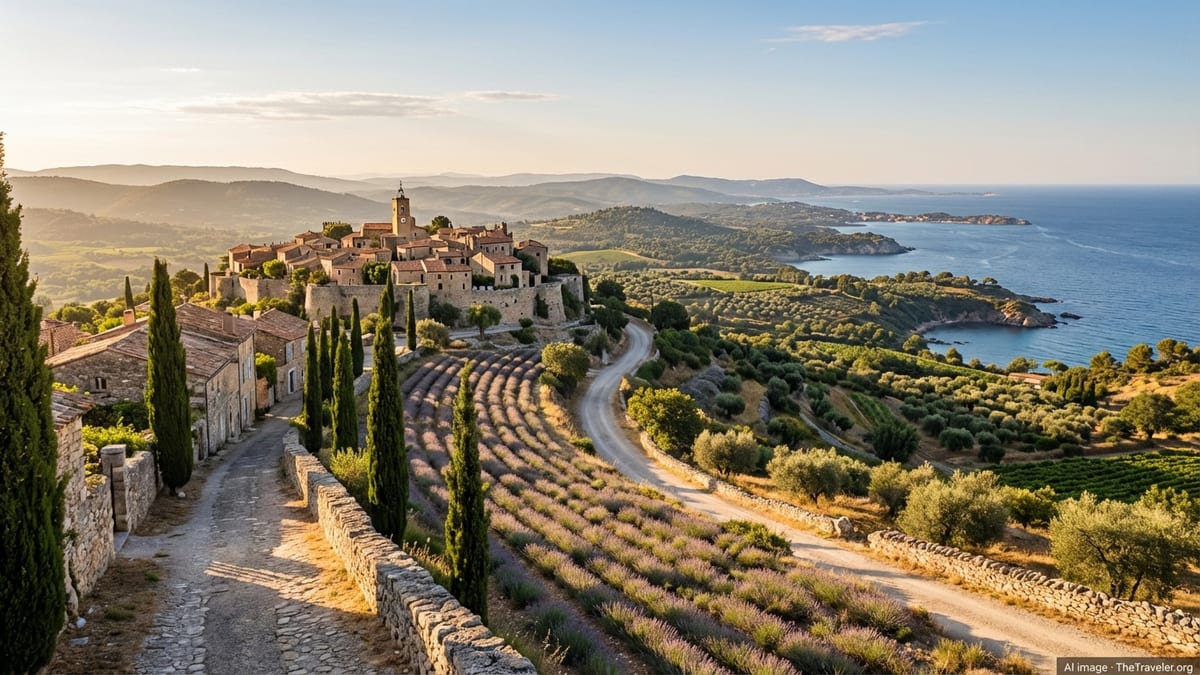
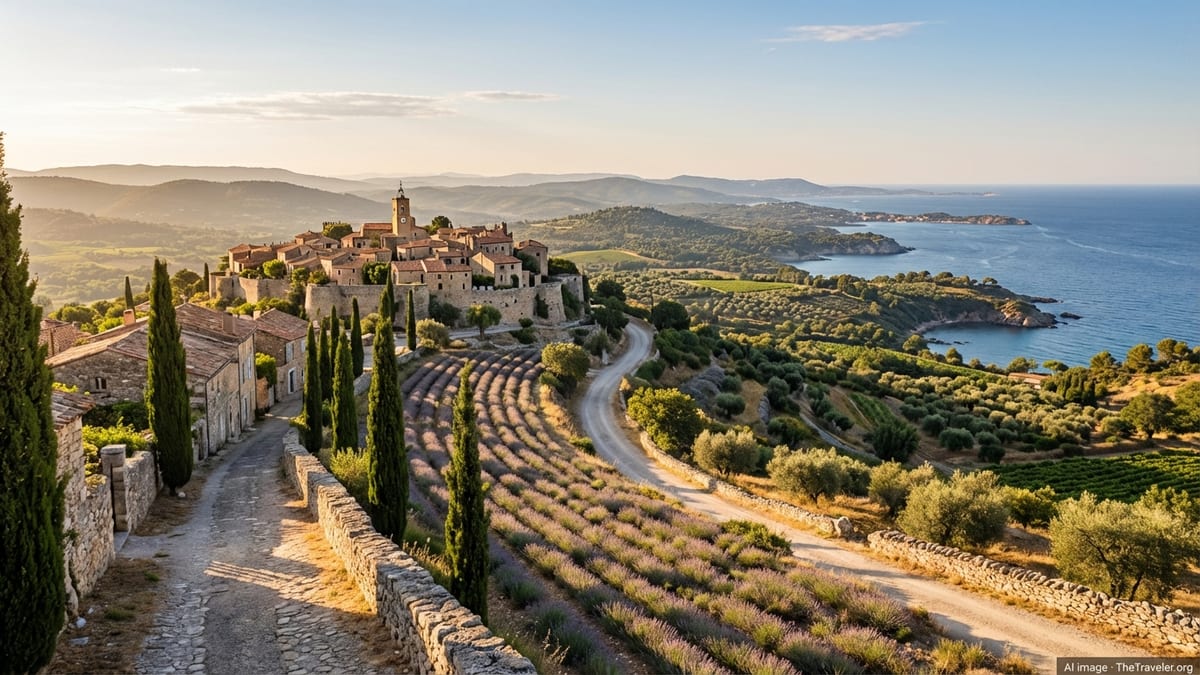
Provence-Alpes-Côte d’Azur, often shortened to PACA, continues to be one of France’s star regions. Recent tourism data shows it leading national growth in hotel revenue, with coastal hotspots like Nice and Cannes driving a strong performance through 2025. The allure is clear: a mix of Mediterranean shoreline, fragrant inland plateaus and Alpine foothills that together encapsulate the French dream of blue skies, olive groves and café terraces. Even first-time visitors quickly understand why artists, writers and filmmakers have gravitated to this corner of southern France for generations.
Along the coast, the French Riviera stretches from the Italian border past Menton, Nice, Antibes and Cannes toward the Maures and Esterel massifs. Here you will find pebbly coves, boat-filled harbors and Belle Époque architecture. Marseille, further west, has emerged as one of the country’s most compelling port cities, blending historic neighborhoods around the Old Port with major museums and ferries to Mediterranean islands. Nearby, the Calanques National Park hides steep limestone inlets where hiking paths end at turquoise coves that feel far from the city, especially outside summer weekends.
Inland Provence offers a different rhythm. Hilltop villages such as Roussillon and Gordes in the Luberon, or Les Baux-de-Provence in the Alpilles, draw travelers seeking stone lanes, weekly markets and sunset views over vineyards and lavender fields. The landscapes change with the seasons, from April poppies to June and early July lavender and late-summer vineyards. Cities like Aix-en-Provence and Avignon provide cultural counterpoints with theater festivals, classical music, art museums and elegant mansions that recall centuries of papal and aristocratic power.
This region works well for visitors who enjoy combining coastal days with gentle road trips. Car rental offers the most flexibility for reaching small villages and countryside stays, though summer traffic along the coast and narrow lanes in old towns call for patience. For a lower-impact approach, consider basing yourself in a rail-connected city such as Marseille, Nice or Avignon, adding day trips by regional train or local buses to nearby towns. Spring, early summer and the period from mid-September to mid-October usually offer the best balance of weather and crowd levels.
Auvergne-Rhône-Alpes: Alpine Peaks and the Gastronomic Capital
Auvergne-Rhône-Alpes is France’s second-largest economic region and one of its strongest performers in both domestic and international tourism. It stretches from the vineyards and river plains around Lyon to the high mountains of Savoie and Haute-Savoie, including legendary peaks and major ski domains. For travelers, this makes it an ideal region for four-season outdoor pursuits, combined with serious food culture and a growing emphasis on sustainable, rail-based travel.
Lyon anchors the region from a cultural and culinary perspective. Long known as a gastronomic capital, it pairs traditional bouchon bistros and markets with creative contemporary cooking, including a dense constellation of Michelin-starred dining across the wider region. The historic center, a UNESCO-listed maze of Renaissance streets and hidden passageways, sits between two rivers and is compact enough to explore on foot. Efficient high-speed rail links make Lyon an easy weekend destination from Paris and other European cities, and a natural starting point for onward travel into the Alps.
Further east, the Savoie and Haute-Savoie departments market themselves jointly as Savoie Mont Blanc. Here, scores of mountain resorts and villages offer skiing and snowboarding in winter, then hiking, cycling and lake swimming in summer. The region’s tourism model has diversified beyond purely winter sports, with more visitors arriving in shoulder seasons to enjoy alpine meadows, lakes such as Annecy and Le Bourget, and spa towns with a heritage dating back to 18th-century thermal tourism. Lower-altitude valleys and historic towns can feel remarkably tranquil even during peak ski weeks, especially if you stay a short distance away from the largest lift-linked areas.
The Auvergne side of the region is quieter, with chains of extinct volcanoes, stone villages and small spa towns that attract travelers looking for under-the-radar France. Eco-lodges, farm stays and rural hiking routes have benefited from the broader national trend toward nature-based tourism and stays in secondary homes. This is one of the best regions to rent a car for short periods, then park it and explore on foot or by bike, making time for village bakeries, farm cheeses and local wines that rarely appear on export lists.
Nouvelle-Aquitaine: Atlantic Beaches, Wine and Easygoing Cities
Nouvelle-Aquitaine, running down the Atlantic coast from La Rochelle to the Spanish border and inland to the Dordogne and Limousin, is France’s largest region by area. It is also one of the pillars of the country’s tourism landscape, with long sandy beaches, pine forests, major surf spots and renowned wine routes. Its varied character means you can swim in the Atlantic in the morning, explore vineyards in the afternoon and dine in a lively university city at night, all without covering vast distances.
Bordeaux, the regional capital, has reinvented itself over the past two decades as a pedestrian and bike-friendly city that showcases its riverfront and 18th-century architecture. High-speed trains now make it reachable from Paris in just a couple of hours, encouraging more short-break visitors who pair city time with vineyard visits in the surrounding appellations. The wider Bordeaux wine region attracts significant numbers of wine tourists each year, from casual tastings to in-depth tours focused on specific châteaux or grape varieties.
Along the coast, resorts such as Arcachon, Cap Ferret, Biarritz and smaller Basque Country towns offer very different atmospheres, from family-oriented promenades and shellfish huts to surf culture and Belle Époque villas. Inland, the Dordogne, Lot-et-Garonne and Corrèze departments are known for prehistoric cave art sites, river valleys, weekly markets and bastide towns, appealing to travelers who prefer slow itineraries with a strong sense of place. These areas remain particularly popular with self-drive visitors and with those renting country houses for a week or longer.
Nouvelle-Aquitaine suits visitors who want a relaxed pace, plenty of outdoor time and easy access to regional food and wine. Summer school holidays bring busy beaches and higher prices, so consider June, early July or September for warmer water with fewer crowds. Rail connections are steadily improving, but a car is still helpful for reaching smaller inland villages and vineyards. Coastal cycle routes and river paths, however, make it increasingly possible to leave the car parked for several days at a time.
Occitanie: From Pyrenean Peaks to Mediterranean Ports
Southwestern France’s Occitanie region has emerged as a favorite among French domestic travelers, with tens of millions of annual visitors drawn to its blend of mountains, coast and historic inland cities. It stretches from the high Pyrenees through Toulouse and Carcassonne to the Mediterranean lagoons and beaches around Montpellier and Perpignan. For many visitors, the appeal lies in the contrast: medieval walled towns one day, canal boating or coastal wetlands the next.
Toulouse, known for its brick architecture and aerospace industry, has recently added renewed cultural attractions, including the long-awaited reopening of major museums and exhibition spaces after renovations. The city’s riverside quays, food markets and student population give it a lively yet manageable feel, making it a strong base for rail-based explorations to places such as Albi, Carcassonne or the wine country between the Tarn and Aude rivers. Further east, Montpellier offers a more Mediterranean character, with neoclassical squares, nearby beaches and an increasingly prominent contemporary cultural scene.
The Pyrenean belt offers mountain villages, national parks and spa resorts, with hiking, skiing and wildlife-watching opportunities that feel more intimate than some of the Alps’ largest resorts. On the coastal side, Occitanie’s shoreline is known for wide sandy beaches, family-friendly resorts and lagoon landscapes that host flamingos and traditional salt pans. Canal boating on the historic waterways that crisscross the region, including stretches of the Canal du Midi, remains a distinctive way to experience this part of France at a very slow pace.
Occitanie works particularly well for travelers combining public transport with selected car rental days. Rail links between Toulouse, Montpellier, coastal towns and inland heritage sites are good by French regional standards, and many smaller places offer bike hire and local buses. Early summer and September are especially appealing, with warm sea temperatures, active city calendars and more comfortable daytime highs than in peak August heat.
Brittany and Normandy: Rugged Coasts and Living History
On France’s northwestern edge, Brittany and Normandy share a maritime climate, strong regional identities and coastlines that draw increasing numbers of visitors seeking cooler summers. Both regions have reported steady growth in tourism in recent seasons, helped by domestic travelers rediscovering destinations closer to home and by international visitors looking beyond the classic Paris and Riviera circuit. The attraction lies largely in the interplay of sea, sky and stone: cliffs and headlands, fishing ports, half-timbered towns and islands where tides rule daily life.
Brittany, or Bretagne, projects a distinctive culture through its Celtic roots, local languages and food traditions heavy on shellfish, salted butter and crêpes. Its coastline ranges from pink-granite formations in the north to sheltered gulfs and islands in the south, lined with walking paths that make it one of the country’s best regions for coastal hiking. Inland, small cities and market towns such as Rennes, Vannes and Quimper offer compact historic centers, generous weekly markets and easy connections to nearby bays and peninsulas.
Normandy offers a different but complementary story. Alongside charming harbor towns and dairy country, it holds some of France’s most visited historical sites, including the D-Day landing beaches and the abbey-crowned island of Mont-Saint-Michel. These places can be busy in peak season, yet many nearby villages and secondary sites remain surprisingly calm. Coastal resorts evolved from 19th-century seaside tourism still welcome families for summer holidays, while the region’s cider, cheese and cream-based cooking provide a satisfying counterpoint to time spent outdoors in changeable weather.
Both regions reward slow travel and flexible plans. Weather can shift quickly from fog to brilliant sunshine, and some of the most atmospheric moments arrive when crowds thin after a passing shower. A car is useful for reaching rural and coastal corners, but rail links between major towns and ferry ports are straightforward. Shoulder seasons from late May to early July and from early September to early October typically bring milder temperatures, lower prices and a restful feel in harbor towns once the main summer rush has passed.
Bourgogne-Franche-Comté and Grand Est: Wine Roads and Storybook Towns
Less known to first-time visitors but beloved by many repeat travelers, eastern France offers some of the country’s most rewarding regional journeys. Bourgogne-Franche-Comté, home to Burgundy’s vineyards and forested plateaus, and the Grand Est region, which includes Alsace and Lorraine, have both seen renewed attention lately from travelers interested in wine, food and traditional architecture. While they lack a coastline, they compensate with riverside cities, half-timbered villages and rolling landscapes that seem made for slow drives or cycling holidays.
In Bourgogne-Franche-Comté, wine routes thread through appellations whose names appear on restaurant lists worldwide, from the Côte de Nuits and Côte de Beaune to Chablis and the Mâconnais. Yet the villages along these routes remain small-scale, with stone houses, church spires and seasonal rhythms that follow pruning, flowering, harvest and cellar work. The region also hosts a notable concentration of Michelin-starred restaurants relative to its size, underscoring its status as one of France’s great food and wine heartlands. Historic towns such as Dijon and Beaune balance museum visits and market mornings with nearby countryside that is easy to reach by bike or on foot.
To the northeast, Alsace in the Grand Est region feels almost like a bridge between France and its neighbors, with colorful half-timbered houses, steep vineyards and a celebrated wine route. Picturesque villages such as Riquewihr and Eguisheim have featured prominently in rankings of welcoming destinations, reflecting strong visitor satisfaction with their blend of scenery, walkability and hospitality. Strasbourg and Colmar, the region’s most visited cities, mix canals, Gothic churches and Christmas markets with up-to-date food scenes and cultural programming.
These eastern regions are especially appealing in spring and autumn, when vineyard landscapes change color and temperatures are comfortable for walking and cycling. Rail links from Paris, Lyon and Germany make it quite feasible to plan car-free itineraries that combine city stays with short bus or bike rides into the countryside. For those who do drive, distances between key sights are modest, allowing you to structure days around leisurely meals and short excursions rather than long hours on the road.
The Takeaway
There is no single best region in France, only the region or combination of regions that best matches the trip you have in mind. Provence-Alpes-Côte d’Azur offers archetypal Mediterranean light and legendary coastal towns. Auvergne-Rhône-Alpes delivers towering peaks, lakes and one of Europe’s finest urban food scenes in Lyon. Nouvelle-Aquitaine stretches along the Atlantic with surf beaches, vineyards and deeply relaxing river valleys. Occitanie marries Pyrenean landscapes with walled towns and canal-side villages, while Brittany and Normandy showcase dramatic coasts and layered history. Eastern regions such as Bourgogne-Franche-Comté and the Grand Est reward travelers who value wine roads, village squares and long conversations over lunch.
As tourism across France continues to grow, especially in well-known hotspots, the biggest decision is often not which region to visit first, but how slowly you can afford to travel once you arrive. Building in extra days for unscripted detours, local markets and conversations with hosts or café owners will usually provide richer memories than racing between every famous landmark. France’s regions are built for lingering; choosing one or two that suit your style, season and budget is the surest way to turn a much-anticipated trip into an experience you will want to repeat.
FAQ
Q1. What is the best region in France for a first-time visitor?
For many first-time visitors, a combination of Paris and Provence-Alpes-Côte d’Azur works well, pairing cultural landmarks with Mediterranean scenery, hilltop villages and accessible day trips.
Q2. Which French region is best for beaches?
The Côte d’Azur in Provence-Alpes-Côte d’Azur and the Atlantic coast of Nouvelle-Aquitaine both offer excellent beaches, with the Riviera favoring coves and the Atlantic favoring wide sandy stretches.
Q3. Where should I go in France for hiking and mountains?
Auvergne-Rhône-Alpes and Occitanie are prime choices, offering the Alps, the Massif Central and the Pyrenees with well-marked trails and a growing range of eco-conscious accommodations.
Q4. Which regions are best for wine lovers?
Bourgogne-Franche-Comté, the Bordeaux area of Nouvelle-Aquitaine and Alsace in the Grand Est stand out for accessible wine routes, cellar visits and food pairings rooted in local traditions.
Q5. What is the most budget-friendly region to visit?
Prices vary within each region, but parts of Occitanie, inland areas of Nouvelle-Aquitaine and the Auvergne portion of Auvergne-Rhône-Alpes often offer better value than major coastal hotspots.
Q6. Which regions are easiest to explore without a car?
Regions centered on major rail hubs, such as Auvergne-Rhône-Alpes around Lyon, Provence-Alpes-Côte d’Azur around Marseille, Nice and Avignon, and parts of Occitanie, lend themselves well to car-free itineraries.
Q7. Where should I go in France to avoid summer heat waves?
Brittany, Normandy and some higher-altitude areas of eastern and central France usually stay cooler, though conditions can still vary from year to year.
Q8. What region is best for families with children?
Nouvelle-Aquitaine’s Atlantic coast, Occitanie’s wide beaches and lakes, and many parts of Brittany and Normandy offer family-oriented resorts, outdoor activities and relaxed town centers.
Q9. When is the best time to visit French wine regions?
Late spring and autumn are especially rewarding, with vineyards in leaf or turning color and milder temperatures that favor walking, cycling and unhurried tastings.
Q10. How many regions should I combine in a 10-day trip?
In 10 days, focusing on one region plus a contrasting second base is usually ideal. This allows time for deeper exploration and rest rather than constant packing and travel.
Dining and Cooking