
It’s the perfect time to talk about what is essential to enhancing the dining experience and attracting customers for 2026. Industry professionals from across the country leading these trends share the 2026 Dining Trends you need to know about that may impact your business for what you buy, sell, and serve. We are also including trends from Baldor Specialty Foods, af&co. / Carbonate, Baum & Whiteman, and Fresh Roasted Coffee.
Here’s what we’re seeing for 2026: dining trends are leaning toward clean, thoughtful, and high-quality cuisine that puts ingredients first.
Vitolo & Emilio’s Ballato – Chef Anthony Vitolo, New York City and Ft. Lauderdale, FL
Lighter, Cleaner Italian: Chef Anthony is seeing diners seek Italian dishes that feel lighter and focus on real ingredients. His cooking has always delivered this, with pastas slowly dried at low temperatures and fresh, high-quality ingredients, including tomatoes from his family farm in Italy, creating flavorful, satisfying dishes without heaviness.
Daniel’s, A Florida Steakhouse & Daniel’s Miami – Thomas & Kassidy Angelo (Owners)
Hospitality as the Experience, Not the Add-On: Guests are moving away from flashy indulgence and toward dining that feels personal and meaningful. At Daniel’s, the culture is built around recognition and real connection. Teams know guests’ favorites, and regulars can reach Thomas directly by phone or text. Relationship-driven service is the new luxury.
Ingredient Integrity > Excess: Diners increasingly want transparency and clean sourcing. Daniel has partnerships with Florida River Farms, Hierarchy Farm, Tiny Farms, Swank Farms, and essential imports like olive oil from Puglia. Every choice reinforces freshness, honesty, and a shift toward more mindful eating.
Local First, With Purpose: The demand for responsibly raised, regionally supported products continues to grow. Today’s diners aren’t chasing showy luxury; they want flavor that speaks for itself. Thoughtfully sourced beef, seasonal vegetables, and clean preparations let the ingredients shine, delivering real food made with care.
 Chef Danny Grant
Maple & Ash – Chef Danny Grant, Chicago, IL
Lighter Luxury, Not Diet Theater: No “Ozempic menus.” Instead: olive-oil-forward techniques, less butter, and dishes that feel cleaner, fresher, and still decadent so a Tuesday supper doesn’t eat like Thanksgiving.
Balanced Price/Value, Without Compromise: More skillfully handled, cost-smart proteins (think skirt steak done spectacularly) and right-sized portions driven by COGS reality, not fad chasing.
Real NA Hospitality: Elevated zero-proof cocktails and legitimate NA wine pairings so non-drinkers feel just as special as drinkers—no juice stand-ins.
Takeout That Travels: A curated to-go portfolio (sushi rolls, select steaks and sides) engineered for quality at home, not a wholesale copy of the dining-room menu.
Human > Bots (Guest-Facing): Smart AI on the back end, yes—but Danny doubles down on human-to-human interactions. For him, it starts with live “experience curators” (his in-house U.S.-based reservation call center) to craft celebrations before guests walk in.
Weeknight Wins: The celebration crowd remains; the biggest opportunity is casual weekday dining—lighter, quicker, great value, zero guilt.
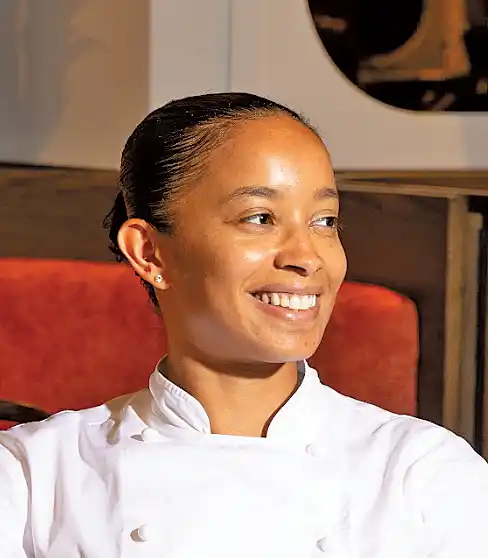 Chef India Doris
Markette and The Argyle – Executive Chef India Doris, NYC
Nostalgia and Comfort: I want to see more nostalgia and comfort for the chef. I think it brings a unique perspective on the chef and helps the guests experience something new and fresh.
Queen Omakase – Chef Max Kamakura, Miami, FL
Mushrooms on the Rise: Mushrooms continue to emerge as one of the strongest trends, with more varieties, more local producers, and growing appreciation for their versatility, sustainability, and nutritional benefits.
Pickling and Fermenting: Pickling and fermenting are having a major moment. Even though they’re old-school techniques, they bring amazing depth, acidity, and complexity—and they naturally support sustainability and wellness.
Wellness & Sustainability as Must-Haves: With the current global economy, tariffs, and recent natural disasters, wellness and sustainability aren’t just trends anymore—they’re essentials. People are leaning more toward local, fresh, minimally processed products with fewer preservatives and shorter supply chains.
Kimchi & Big Fermented Flavors: Kimchi and other fermented dishes are getting super popular. Guests are craving bold, spicy, umami-packed flavors and love the added health benefits that come with fermentation.
Jaya at The Setai – Chef Vijay Veena, Miami, FL
Clean, Light, and Flavorful: Chef Vijay sees diners seeking lighter, health-conscious dishes, so he is adding the new Hong Kong Style Chilean Seabass to Jaya. It is delicately steamed for a silky texture, finished with ginger, aromatics, and light spices. It’s vibrant, low-calorie, and lets the fish shine without heaviness.
Takato and Oku by Takato – Chef Taek “Taka” Lee, Ft. Lauderdale, FL
Intimate, Private Experience: Guests are seeking true intimate experiences that feel exclusive. Takato answers this demand with Oku by Takato, a 10-seat omakase lounge offering a personalized multi-course journey built around premium ingredients.
Clean, Modern Asian Seafood: Guests are increasingly drawn to clean, ingredient-driven seafood dishes that are lightly handled, with raw preparations that highlight purity over complexity.
Sentir – Chef Guy Vaknin and City Roots Hospitality, New York City
Plant-Forward Comfort Food: Comfort food is making a comeback, inspiring chefs to reimagine nostalgic dishes in plant-based forms. Tech-driven kitchens, alternative proteins, and data-guided menu design are becoming normal. Overall, plant-forward cuisine is maturing into thoughtful, creative culinary artistry. Even mainstream, non-vegan restaurants are increasingly embedding plant-forward options or vegan dishes into their standard menus—not as afterthoughts, but as central offerings.
2026 Baldor Specialty Foods Trend Report
Matcha Market: Over the past three years, sales of premium matcha have grown by double digits annually. Matcha will continue trending into 2026, though price constraints and availability issues will affect market penetration.
Yuzu and Japanese Citrus: The yuzu trend maintains momentum. The fruit’s unique palatability as a more approachable sour flavor continues to drive interest.
Egg Market Evolution: Free-range is becoming the new cage-free standard, with major retailers like Costco driving adoption.
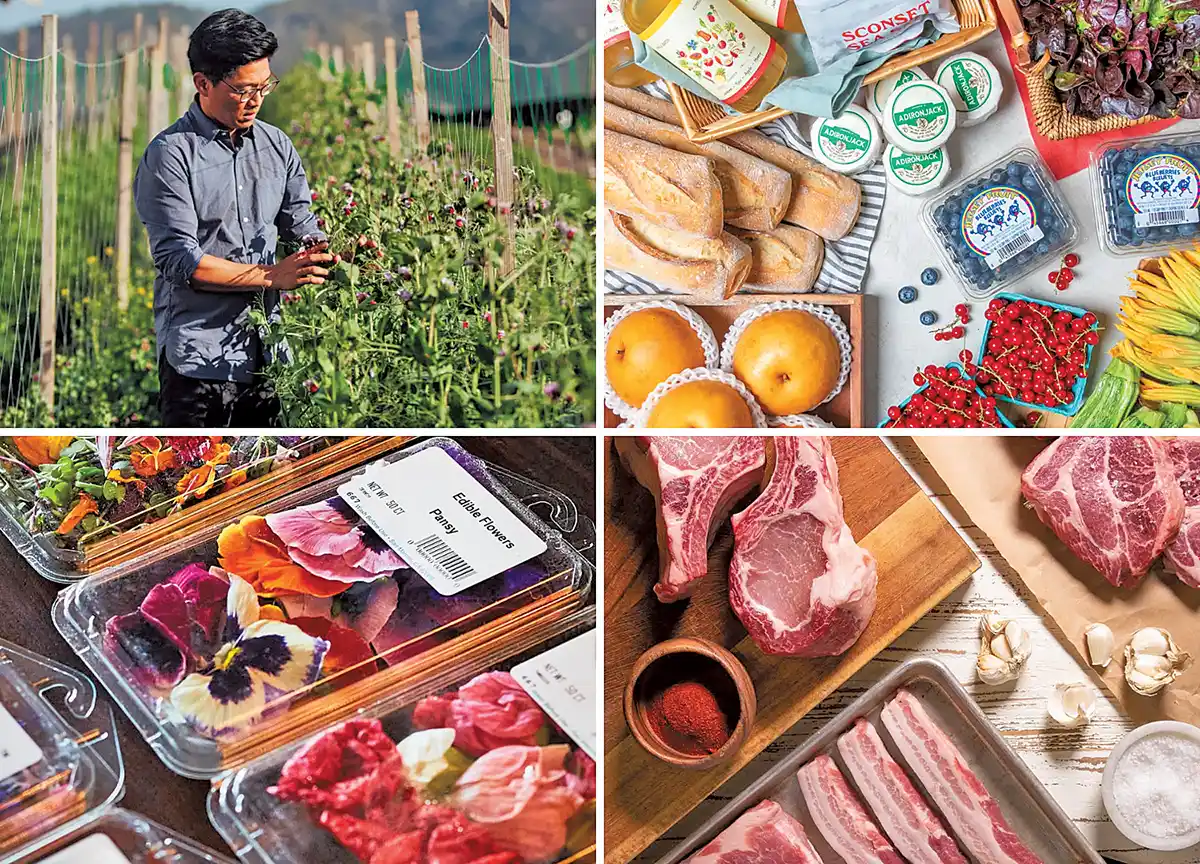
Floral Integration: Flowers are trending as both ingredients and garnishes across applications, especially bakery and beverages. In the latte category, floral flavors including lavender and cherry blossom will feature as limited-time offerings. Baldor has seen around 10% year-over-year growth in the edible flowers category, driven by foodservice applications that can command premium pricing.
Women in Agriculture: A notable trend involves women-owned farms and increased female participation in agriculture leadership roles. Examples include Bay Baby, Dry Farms, Hudson River Fruit, Perry & Sons, Lady Moon Farms, Kitchen Garden, and Hepworth Farms.
Lamb Market Growth: Australian Gundagai lamb sees increased menu adoption despite pricing challenges, as chefs become more comfortable with the protein. There is also a rise in American-raised lamb (Niman).
Anticipated Seafood Species Growth: Trout (domestic varieties including rainbow and brook trout); domestic shrimp (with potential increases from Carolina and Florida sources); crab species shifts (moving away from king and stone crab toward snow, Jonah, and Dungeness varieties); and salmon (local domestic Atlantic salmon, particularly Coho varieties, as alternatives to Canadian farmed and Nordic sources).
af&co. / Carbonate Hospitality Trends Report (18th Edition)
“Value is the story this year,” said Andrew Freeman, Founder of af&co. and Co-Founder of Carbonate. “Whether it’s a great lunch deal, a prix-fixe-only concept, or a high-end ‘happy meal,’ operators are finding creative ways to offer value at every level. Even in fine dining or luxury travel, guests want to walk away feeling like it was worth it. Value isn’t just about price—it’s about experience, and the biggest differentiator is still how you make people feel. Service is back, and guests want genuine connection. That energy is fueling everything from food festivals to winery events and brand collaborations that build loyalty.”
“We’re seeing the pendulum swing back across a few categories,” said Candace MacDonald, Co-Founder and Managing Director of Carbonate. “After years of a focus on plant-based options, we’re seeing a return to meat. Dishes like bone marrow and sweetbreads are trending, and protein is the buzzword of the moment. In beverage, the story isn’t all about going N/A—it’s about finding balance, with growing interest in lower-ABV options as well as alcohol-free. Another main theme this year is the speed of cultural exchange. We’re living in a global world fueled by social media, where inspiration travels faster than ever. What’s trending in Seoul today might be on a menu in San Francisco tomorrow—and diners are ready for it. Cross-cultural cooking isn’t a niche anymore; it’s become the new language of creativity.”
Baum & Whiteman 23rd Annual Restaurant and Food Trends Report
Three threads run through their 2026 forecast:
Ethnicity is dominating food trends.
Artificial intelligence will overhaul the ways we create menus and dishes.
Questing for proteins and weight-loss drugs are changing the ways consumers engage with restaurant menus.
For more trends, visit: https://www.baumwhiteman.com/trend-reports
Coffee Trends for 2026 – Fresh Roasted Coffee
Prices Remain High: U.S. retail coffee prices were 40% higher year over year by September 2025, and experts don’t expect meaningful drops in 2026. Consumers now accept higher pricing—but they need proof of value.
Growth of Certified and Tested Coffee: The U.S. organic coffee market is projected to grow 9% annually from 2025–2030 and reach $2.8B by 2030. Transparency around pesticides, molds, and mycotoxins is shifting from “nice to have” to non-negotiable.
Single-Serve Gets a Sustainability Upgrade: Convenience combined with eco-friendly packaging is driving category growth.
 Joyce Appelman is the SCOOP News Editor and Senior Contributing Writer for Total Food Service and previously the National Communications Director for C-CAP, Careers through Culinary Arts Program. An industry leader supporting education and scholarships, she has been instrumental in opening career opportunities for many young people in the foodservice industry. Email her at joyceappelman@gmail.com
Dining and Cooking