
When Mike Skipper stopped by for a 2023 Saturday fill-in gig at friend and star chef Ian Boden’s famed hole-in-the-wall Staunton fine dinery, he didn’t expect to be startled by a curveball. Boden let him in on his plan for an ambitious new culinary inn called Maude & the Bear. Would “Skip” be interested in helming The Shack when the inn opened and tied Boden up? “I couldn’t believe what I was hearing,” says Skipper, now 36. He’d spent nearly five years as Boden’s sous chef and often lone kitchen brigadier, but left in 2020 to scale up an area gourmet pizzeria. When the owner pulled the plug toward the end of the pandemic, Skipper parachuted into a GM position at Domino’s. “How’s that for irony?” he laughs. The job was straightforward and paid well.
“But I’d be lying if I said I didn’t miss being part of something that you know is truly special.”
Still, Skipper pondered the logic. Wouldn’t it be better if he joined the new team? And that’s when the conversation shifted. The Shack was turning 10, and Boden was considering potential next chapters. “I’d watched Skip progress for years and was confident that, given an opportunity and some breathing room, he could do something amazing,” says Boden, who still owns The Shack. “My goal wasn’t to have him come in and mimic my thing—I wanted The Shack to be a vehicle for him to express who he is and where he wants to go as a chef.” Skipper was floored. “What the hell,” he said. “I’m in.”
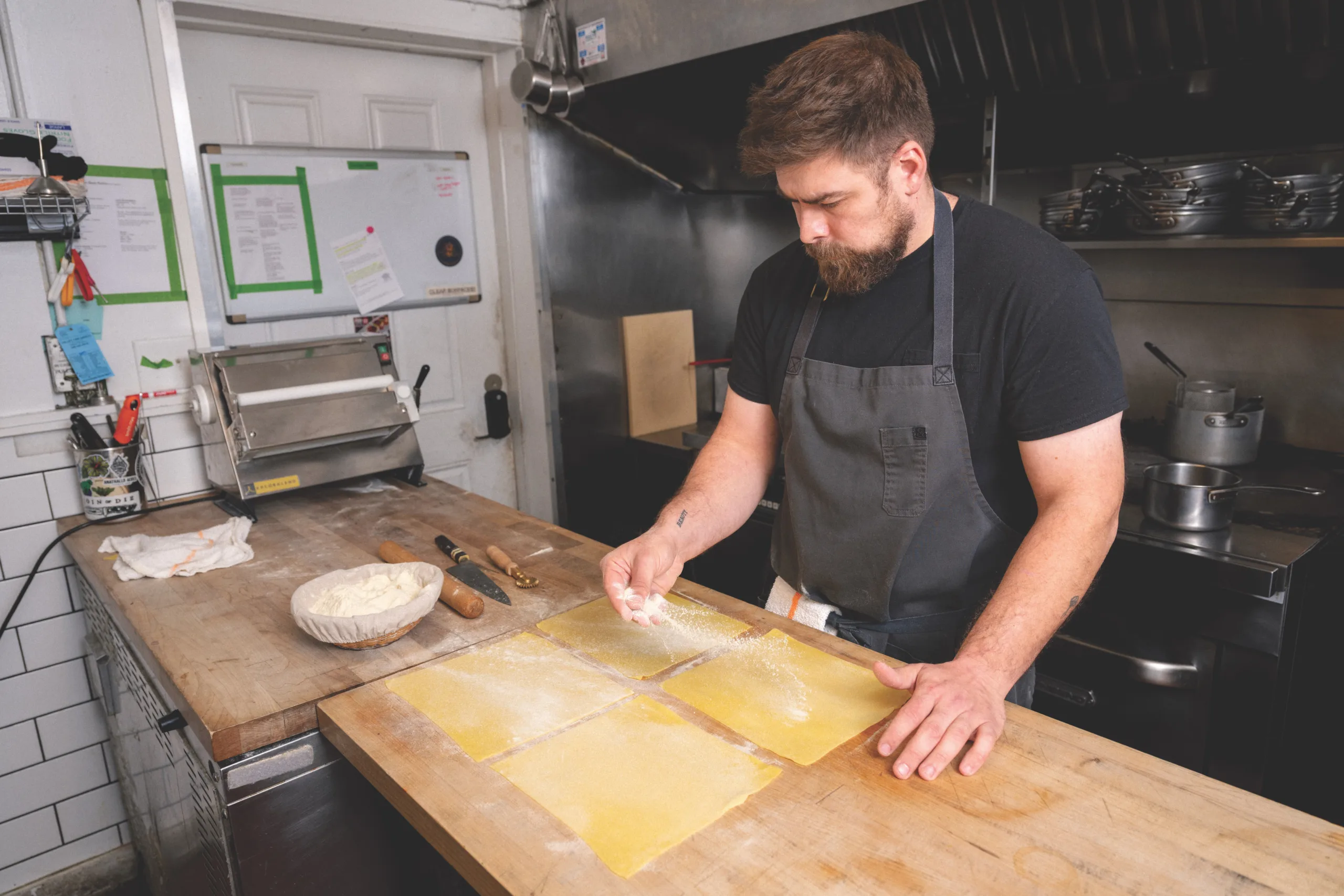 Chef Mike Skipper hand-makes sheets of fresh pasta.
To Find A Voice
To define an authentic voice at The Shack, Skipper needed to mine his past. He grew up in the small city of Reading, Pennsylvania, and fell in love with art and music early on. But it was food that became a guiding light. “I’d walk to this Italian restaurant near our house, order two pizza slices, then sit there people-watching,” says Skipper. It was a neighborhood institution. Families came and went; three generations of men huddled around the bar. He’d gaze into the kitchen at the owner-cook and think, “If I could do that with my life, I’d be happy.” Cooking became Skipper’s ticket to post-high school independence. A line gig in one of the state’s busiest truck stop diners taught him speed and efficiency—and fueled a hunger for bigger challenges. His search for direction led him to David Chang’s Mind of a Chef docuseries. The show explored global food scenes and sparked a firestorm of inspiration. “Growing up, my family didn’t have a lot of money,” says Skipper. “I knew fine dining existed, but I hadn’t experienced it, much less realized it was something you could just learn how to do.”
Obsessive internet research and job applications yielded a cook-one position at the historic Omni Bedford Springs Resort in Bedford, Pennsylvania. The small kitchen team supplied an on-site tavern and upscale steakhouse, and dinner service routinely brought 200–300 guests.“It was an education,” says Skipper. “There wasn’t a night when I didn’t get my ass kicked.” But he worked hard and, over the course of a few years, rose through the ranks. The chef de cuisine took notice and convinced Skipper to join him at a new West Virginia fine dinery in 2014. And it was there that our protagonist discovered The Shack.
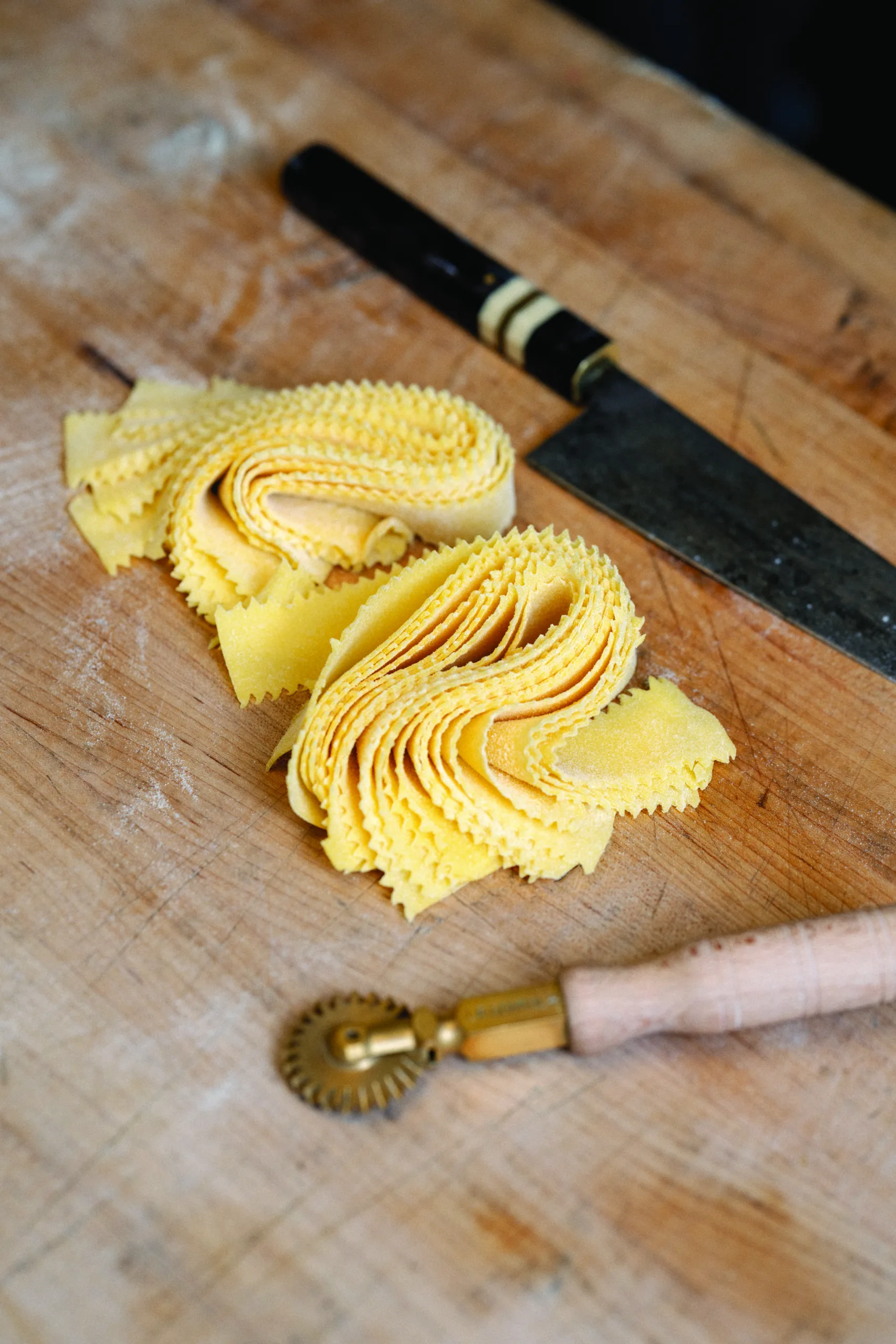 Freshly made, hand-cut mafaldine pasta.
Fires of Learning
“Ian had gotten a big write-up in Esquire, and Appalachian food was taking off,” he recalls. “I remember reading the piece with my boss and being blown away—it was like a door opened onto a whole new realm of possibility.” When the West Virginia venture slipped into
a financial morass in late 2015, Skipper emailed Boden on a whim. “It was totally naïve and probably ridiculous, but I knew I wanted to get to that elite level and basically just begged for advice on how to do it,” he laughs. A reply came quickly: The Shack needed a cook. Would he be interested in staging for a night? Skipper leapt at the opportunity and, at the end of the service, Boden offered him a job.
It didn’t take long for the position to morph into a trial-by-fire mentorship that spanned the next four years. Boden’s star power was skyrocketing, and the stakes were high. “It was intense. We had 24 menu items that were really elaborate and changed almost daily. But I was hungry to learn, so I appreciated every minute of it.” Skipper worked long hours and paid close attention to everything Boden did—like hand-crafting squid ink garganelle pasta or using locally adapted heirloom legumes to ferment miso. He made notes, asked copious questions, and workshopped ideas at home.
“When Skip puts his mind to something, he pursues it relentlessly,” says Boden. If it’s a skill,
he’ll master it. If it’s a goal, “he won’t stop until he’s achieved it.”
Metamorphosis
Skipper eventually envisioned a Shack reboot and pitched an overhaul that drew on its roots as an unpretentious and unapologetically accessible epicurean destination. He wanted patrons to enjoy “the best wood-fired pizza and burgers you’ll ever taste,” alongside primo-grade small plates—say, a puppy drum filet set on an emerald pool of juiced, smoked greens, rimmed in grilled purple cauliflower and garnished with fried artichoke ruffles.
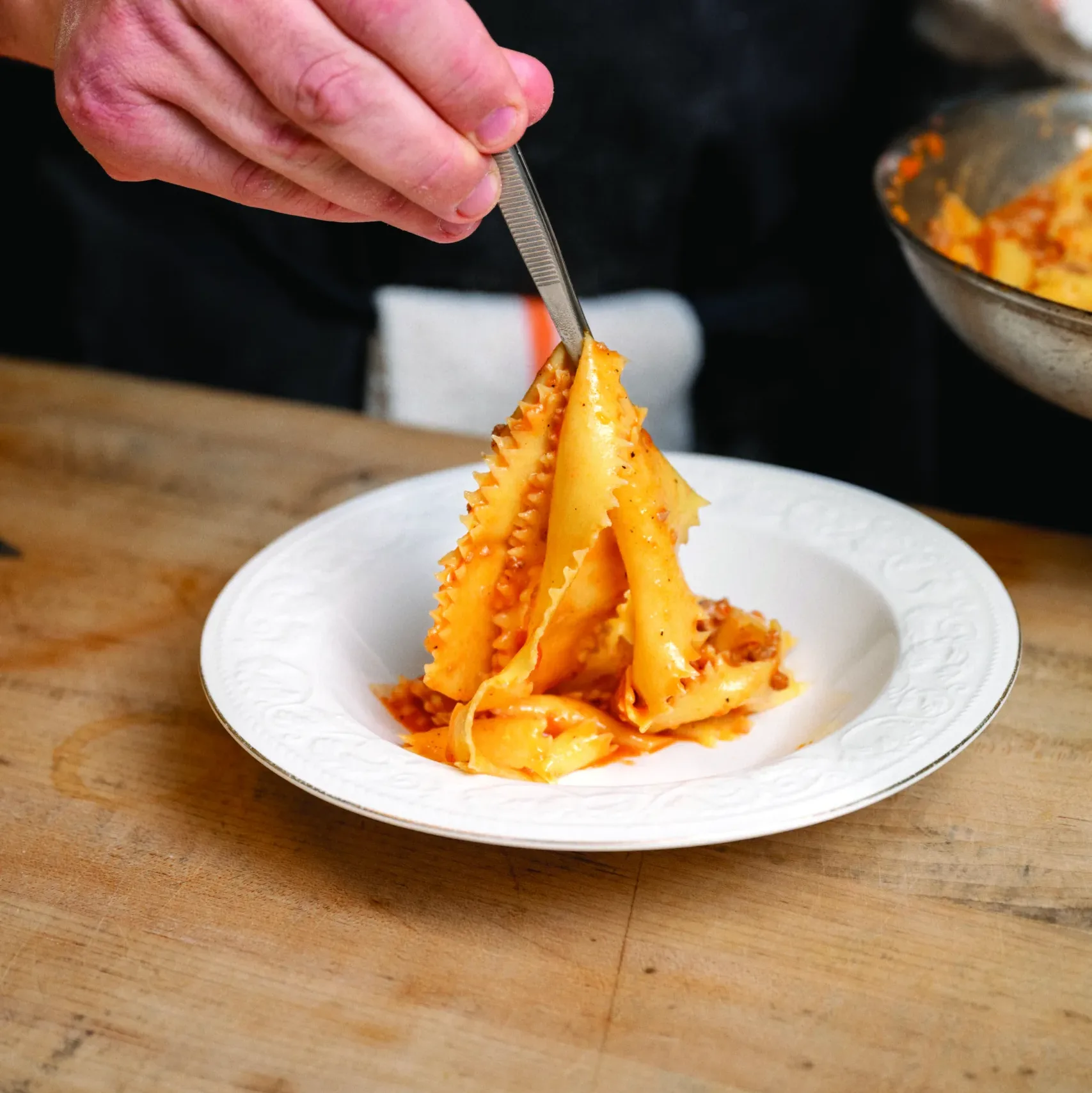 Skipper plates his handmade pasta for a lucky patron.
The new iteration opened in March 2024 and initially had the feel of an ultra-gourmet pizzeria meets New Southern tapas bar. But as it gained traction, the menu expanded into progressively bolder territories. Optional wine pairings were added. The handhelds shifted to Thursday specials. “People were obviously excited about the pasta and [Shack-y throwbacks],” says Skipper. “So I said, ‘Let’s lean in and go a little crazy with it.’” Now, a fleet of about 16 menu items changes weekly and is available à la carte, or in the form of pick-and-choose, three- or four-course tasting experiences. And there’s a delightfully creative four-and five-course pasta option for a startlingly affordable $36 and $56. The former boasts delights like seared duck breast served with Swiss chard leaves and red wine pickled shallots in a colorful pool of sour cherry sorghum and smoked onion subise.
The latter features a hit parade of standouts like a spiral of house-made spaghetti pimentón with anchovy butter, turmeric, Cerignola olives and colatura di alici. The show closes with delectable sweet treats like a strawberry-rhubarb cobbler topped with a scoop of zesty basil gelato. “He’s definitely hitting his stride,” says Boden. “What Skip’s doing with the handmade pastas, in particular, is really special. It’s impressive to see how far he’s taken that, and it’s yielding some incredible results. ”While Skipper’s focus is locked on building a following, when pressed, he shares dreams of a vibes-driven wine and high-end pasta bar downtown. At that point, he hopes to leave The Shack to an aspiring acolyte and watch the cycle repeat. And the way Skipper’s cooking right now? The vision seems more pragmatic than dreamy.
Virginia Chef Ian Boden is one of the Commonwealth’s most celebrated culinary talents, with a career that has taken him from humble beginnings to national recognition. The 44-year-old kitchen magician is a two-time James Beard Foundation “Best Chef: Mid-Atlantic” semifinalist, having earned two nominations—during his tenure at Charlottesville’s Glass Haus Kitchen and at The Shack, his acclaimed Staunton restaurant. Boden’s most recent venture, Maude & the Bear, has catapulted him to new heights of recognition since opening in April 2024. The culinary inn and restaurant recently earned a semifinalist nomination for “Best New Restaurant” in the 2025 James Beard Awards, one of the highest honors in the American restaurant industry. It was subsequently named to The New York Times’ 2025 list of 50 Best Restaurants in America, a particularly impressive achievement for a restaurant open less than a year.
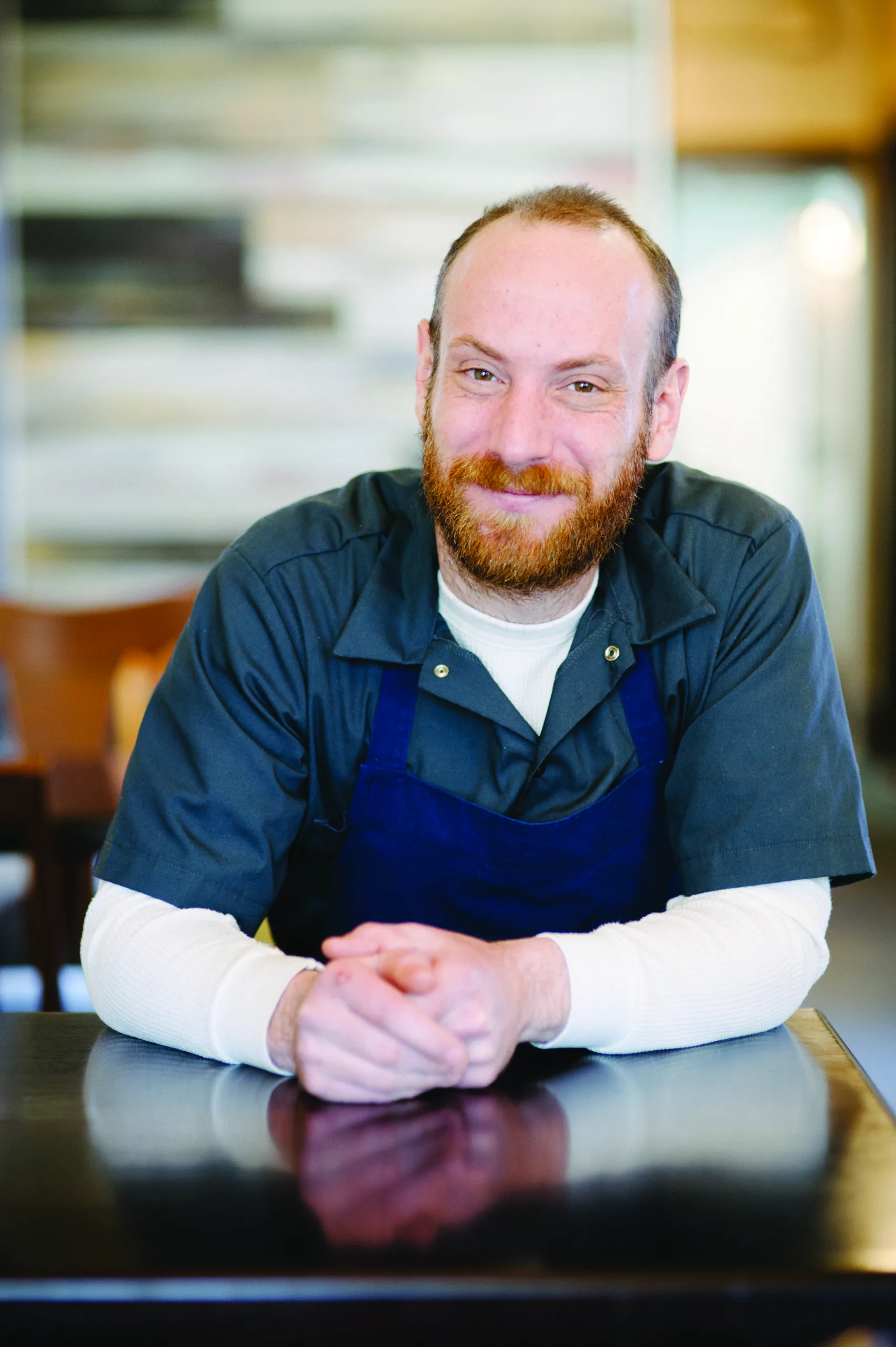 Chef Ian Boden
Accolades continued as it was listed as a Best New Restaurant in Esquire Magazine and recognized by Wine Enthusiast Magazine as one of the Best Wine Restaurants in America for 2025. Ever humble amid the recent flurry of awards, Boden says, “It’s truly a privilege to have Maude & the Bear, and the city of Staunton, represented on lists of this caliber. I have been living in Staunton for almost 20 years, and it’s been an honor to be embraced by a community that is excited to make Staunton a culinary destination,” Boden says. “I’m proud of our entire team for staying focused, working hard together, and pouring our passions into creating not just great food, but memorable experiences; and doing that to the best of our ability.”
Vinegar Bolognese
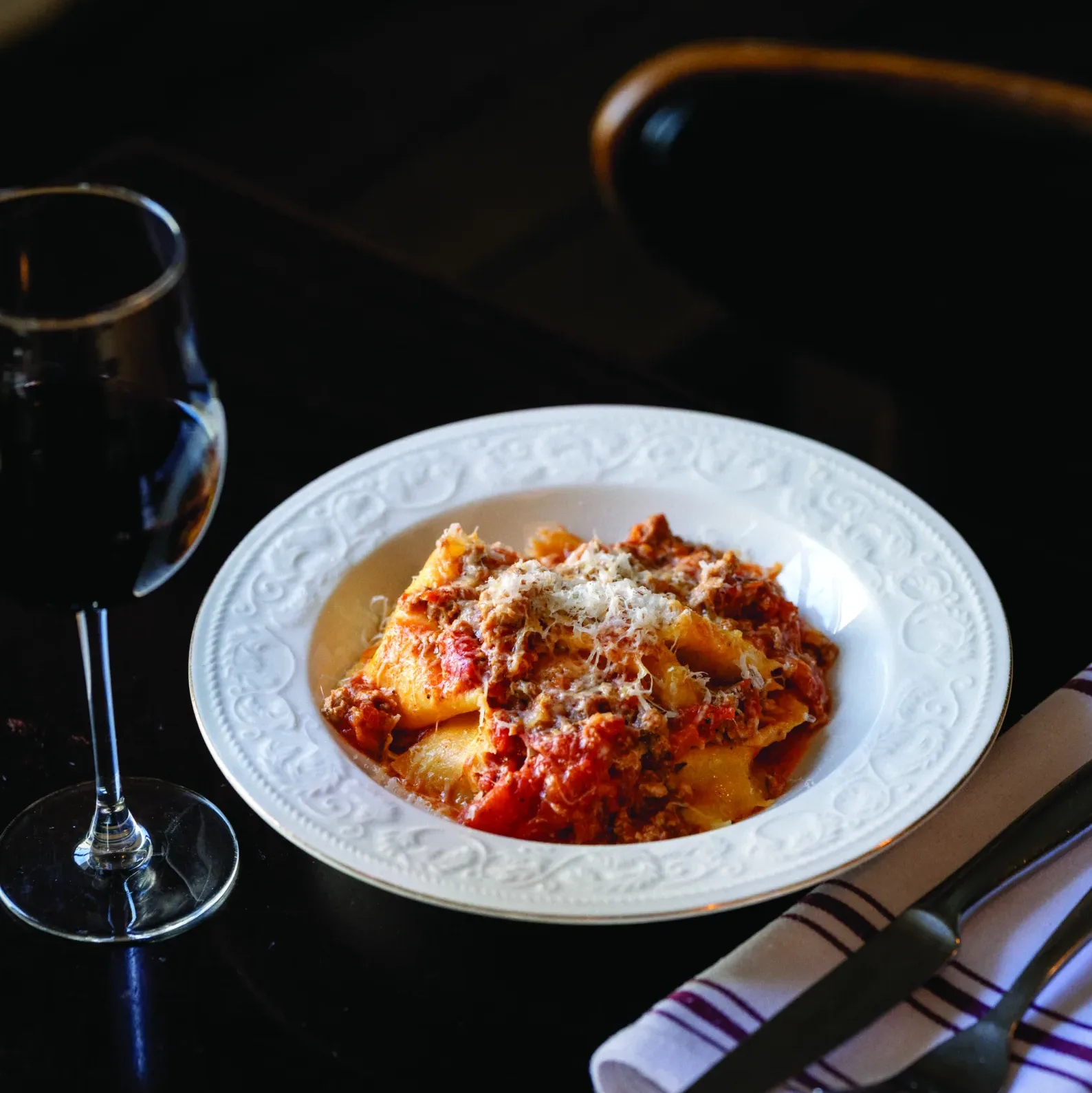 Vinegar Bolognese with Autumn Olive Farms’ pork from Waynesboro and Burner’s beef in Luray.
1 carrot
1/2 onion
1 celery rib
1 head peeled garlic
1 pound ground pork
1 pound ground beef
1/2 can tomato paste
1 bottle red wine
1 quart stock of choice
2 cups red wine vinegar
2 bay leaves (fresh preferably)
1 #10 can canned tomatoes (popped)
In a food processor, pulse carrots, onions, celery, and garlic until the pieces are small, but not puréed. Heat a large, heavy-bottomed cassoulet or pot till it’s about to smoke. Fill the pot with enough olive oil just to barely cover the bottom. Sear both the pork and beef. Once a crust has started to form, break up the meat and continue to cook until the pieces are separated and have some color. Remove the meat and set aside, leaving the fat and pits in the pan. Add the minced vegetables and cook until soft and aromatic, approximately 2–3 minutes. Add tomato paste and cook another minute. Add the bottle of wine and reduce until almost completely evaporated. (Go further than you’d think!) Add stock, red wine vinegar, cooked meat, bay leaves, and crushed tomatoes. Stir well. Simmer for at least 2 hours, stirring regularly to prevent scorching. It’s ready when you can stand a wooden spoon in the middle and not have it fall. *This can also be made days ahead and eitherrefrigerated or frozen. It generally tastes better the next day!
Shack tips: We sometimes like to finish this Bolognese with some gochujang and/or fish
sauce to add an extra layer of umami and a touch of heat. To finish, cook pasta according to directions on the box, being sure to heavily salt the water. In a pot or pan, gently warm the Bolognese while the pasta cooks. Remove pasta from the water before al dente and add it to the sauce, bringing some of the cooking water with it. Add a splash of red wine vinegar, if desired, and stir constantly till the pasta finishes cooking and takes on a slight creamy texture. There shouldn’t be too much liquid left in the pan, as it should be absorbed by the pasta. You can garnish with grated cheese of your liking, as well as basil if desired. Serve immediately.
This article originally appeared in the February 2026 issue.
Dining and Cooking