
The solutions put forward by the government to address the severe agricultural crisis facing France have revealed the inability to break out of the vicious circle in which both farmers and consumers have been trapped. Much of the malaise affecting the profession can be explained by unfair competition from countries whose environmental, health and social standards are far below those in France, as Marine Colli explained in Notre assiette mondialisée (“Our Globalized Plate”).
Yet political leaders insist on “competitiveness” as the only way forward for the sector, which they believe requires lowering standards, increasing pesticide use, boosting yields and enlarging farms. Such reasoning is seriously flawed.
This policy completely overlooks the disastrous effects of the agro-industrial model on the environment, the health of farmers and consumers, social cohesion and the economy. Just as gross domestic product is far too crude an indicator for assessing the ecological and social health of a nation, competitiveness reduced to price competitiveness alone can not be the only criterion for judging the overall performance of a sector. There are measurement tools available that make it possible to highlight the hidden costs of industrial and agricultural practices. Another food system is possible.
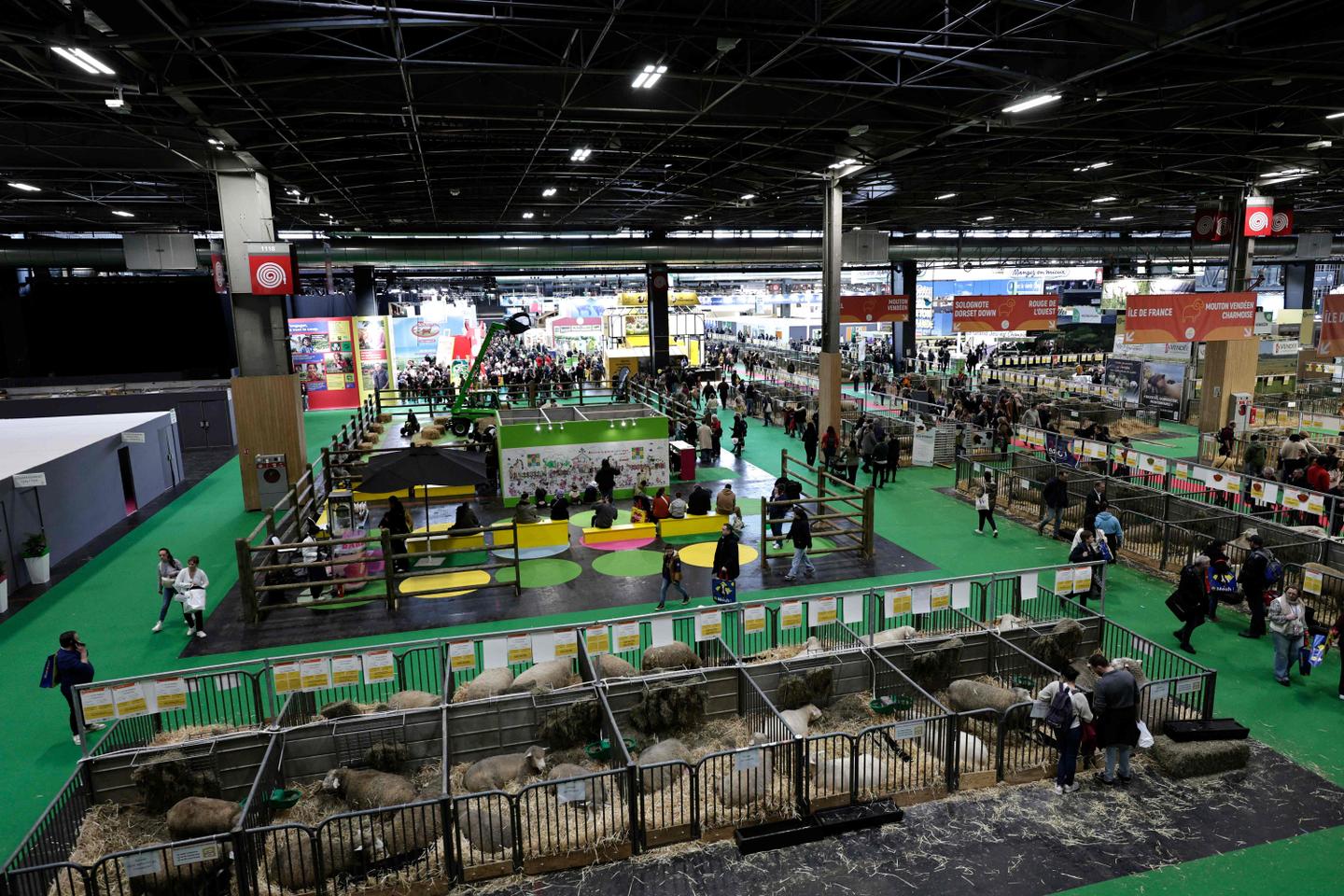
 At the Paris International Agricultural Show, in Paris, February 23, 2026. STEPHANE DE SAKUTIN / AFP
You have 74.33% of this article left to read. The rest is for subscribers only.
Dining and Cooking