
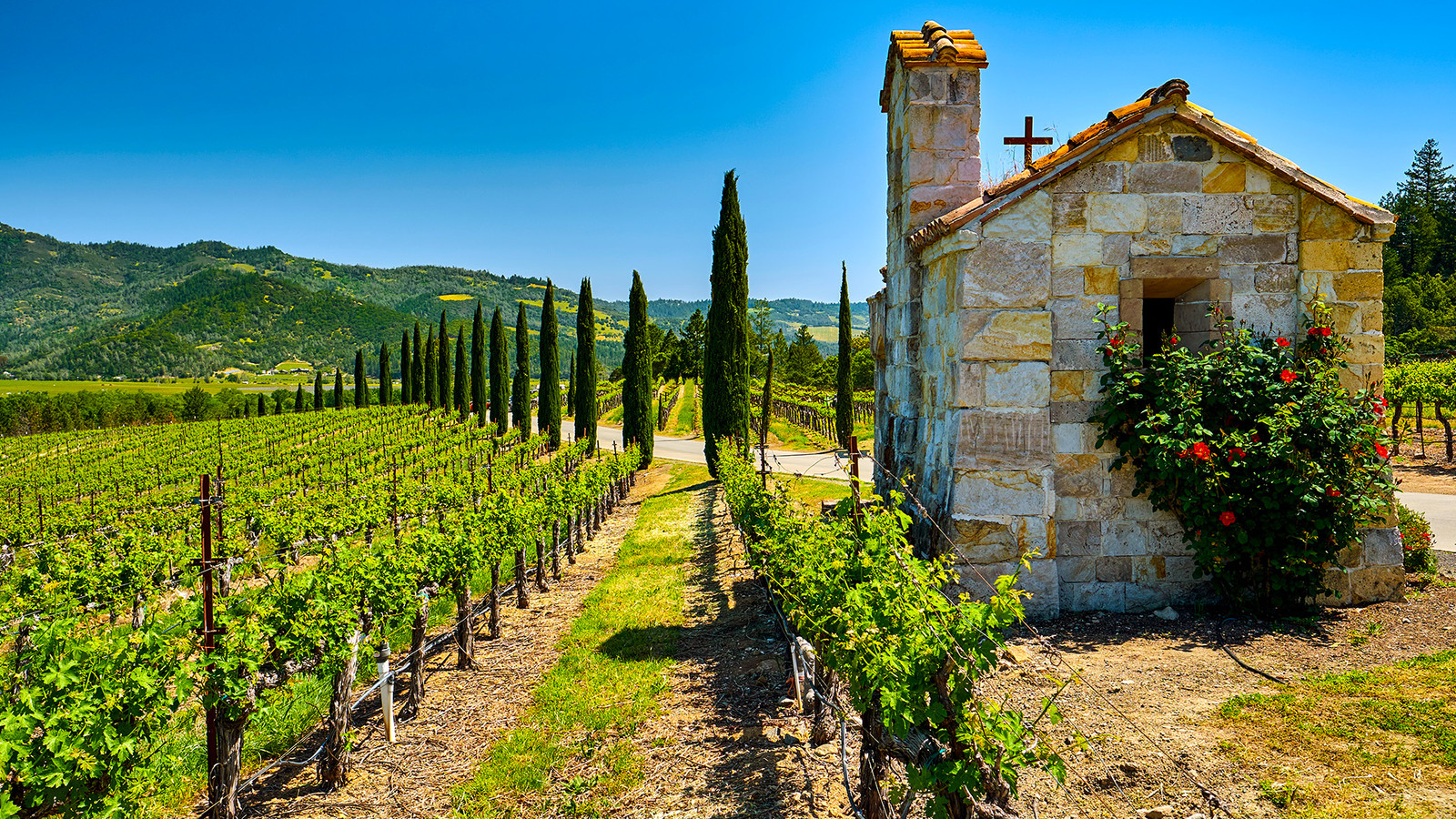
When you think of wine country in the U.S., chances are Napa Valley is the first place that comes to mind. With its sunlit rolling hills, vineyard-lined roads, and effortless sense of style and luxury, the region feels like a slice of Tuscany in the heart of California. Both regions share a Mediterranean climate, a deep reverence for the land, and a culture built around red wines, locally sourced food, and lingering meals meant to be savored.
Napa’s Italian influence shows up everywhere, from Tuscan-inspired winery architecture and olive groves to a farm-to-table philosophy that shapes its menus. Yet Napa has carved out an identity all its own, blending agriculture, design, and slow-paced indulgence in a way few destinations in the United States can match.
Located in Northern California, the valley attracts travelers who appreciate thoughtful experiences. From Michelin-starred restaurants to boutique resorts and intimate tasting rooms, Napa Valley has become a global symbol of American wine culture. There are other towns in the U.S. with Napa-like vibes, but nothing quite matches the Tuscany feel of Napa Valley itself. Here’s why it continues to earn that reputation.
Napa Valley, California, Is The Tuscany Of America
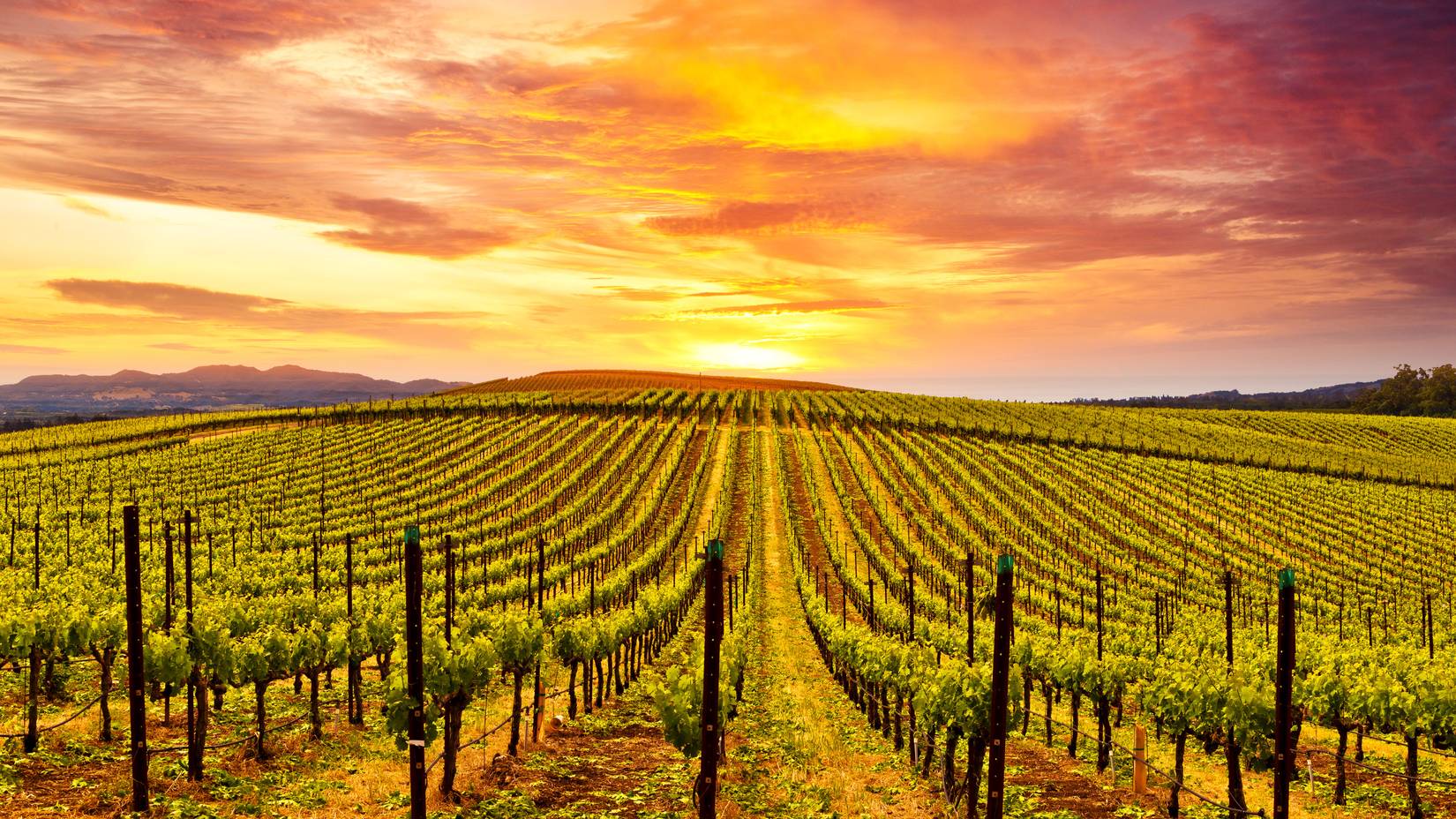
Napa Valley Vineyards Spring Sunset.Credit: Dreamstime
Long before Napa Valley became synonymous with luxury, it was defined by the land itself. In the mid-1800s, early settlers planted vineyards alongside other crops, slowly discovering that the region’s Mediterranean climate and fertile soil were ideal for wine grapes. The area endured setbacks, including vineyard-destroying pests and Prohibition, but its modern revival reshaped American wine making.
That transformation became undeniable in 1976, when local wines triumphed over French competitors in a blind tasting now known as the Judgment of Paris. That moment elevated Napa Valley onto the world stage and permanently changed how American wine was perceived. Today, the valley is especially known for Cabernet Sauvignon, with hundreds of wineries spread across the area.

The Sattui Winery in White Lane, one of the many wineries in Napa Valley, St. Helena, California, CA, USACredit: Shutterstock
Beyond the vines, Napa Valley has developed a reputation for refined living. Luxury resorts sit among vineyards, chefs source ingredients from nearby farms, and cultural events like the Napa Valley Film Festival add creative energy to the region. What truly earns the Tuscany comparison is how all of this comes together. The scenery feels timeless, meals are treated as experiences, and craftsmanship is celebrated, whether it shows up in a glass of wine, a handmade cheese, or a carefully designed tasting room.
Best Things To See & Do In Napa Valley
Napa Valley is a place where every visit can be tailored to your tastes, whether you’re after luxury, adventure, or culinary discovery. The region’s 400+ wineries range from grand estates to low-key, appointment-only producers, allowing visitors to create a personalized itinerary. Some estates are attractions in themselves, including hilltop wineries accessed by gondola and medieval-style castles like Castello di Amorosa.
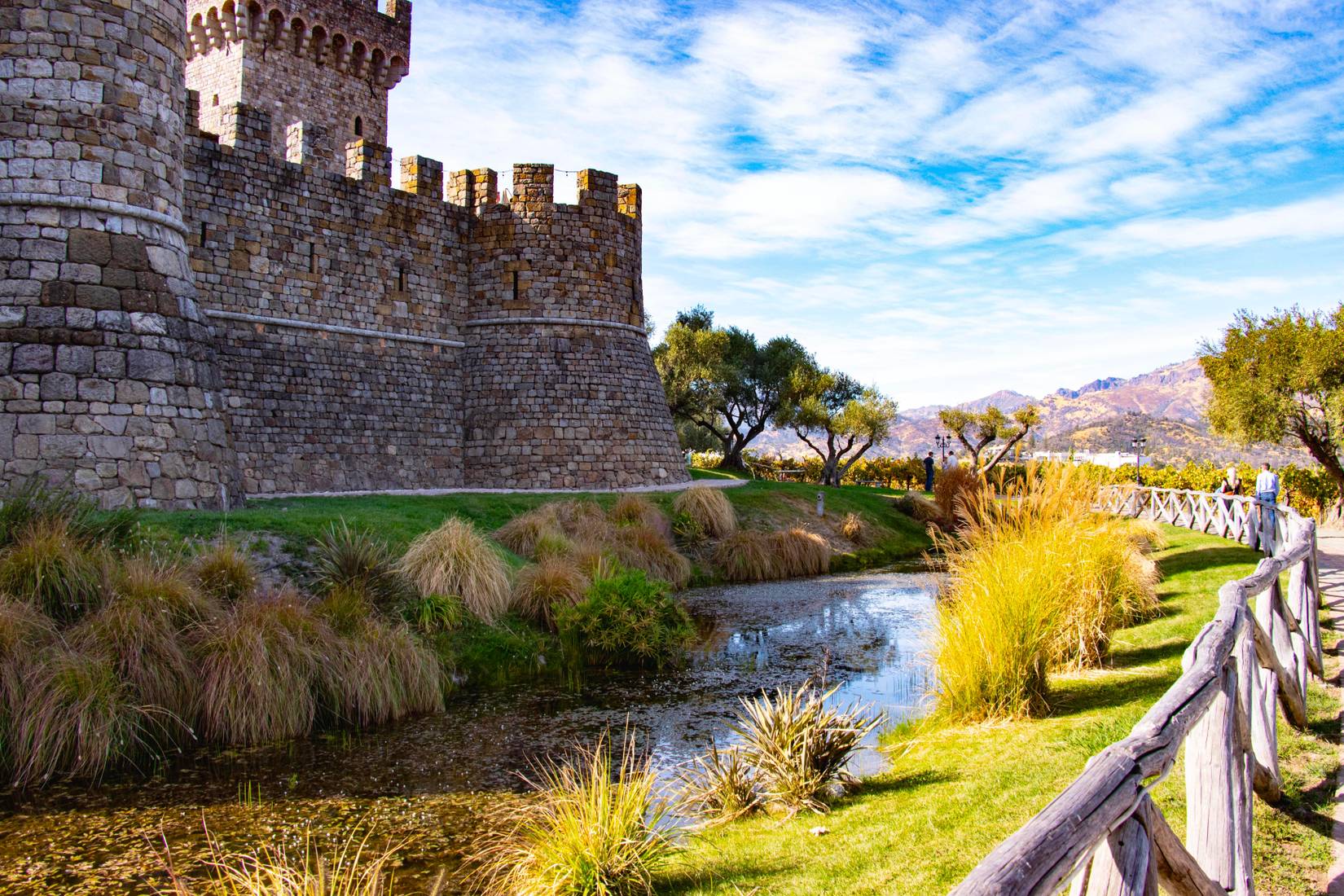
Castello di Amorosa Castle, an authentically styled 14th Century winery located in Napa Valley CA.Credit: Shutterstock
Some of the most iconic wineries include Robert Mondavi Winery, renowned for its post-Prohibition history and quality wines; Domaine Carneros, a French-inspired château famous for sparkling wine and terrace views; and Château Montelena, whose 1973 Chardonnay shocked the world in the Judgment of Paris. Other favorites for visitors include Beringer Vineyards, Sterling Vineyards, and Darioush Winery, all offering stunning locations, rich histories, and memorable tasting experiences.
Plan no more than two or three wineries per day. Napa tastings are unhurried by design, and leaving space in your schedule keeps the experience enjoyable rather than rushed.
Wine may be the main attraction, but Napa Valley offers far more things to do than tastings. Sunrise hot air balloon rides offer sweeping views of vineyards and mountains, while the Napa Valley Wine Train pairs scenic travel with gourmet meals. Downtown Napa is also worth exploring, especially around the Oxbow Public Market, where you’ll find artisan food vendors and local flavors.
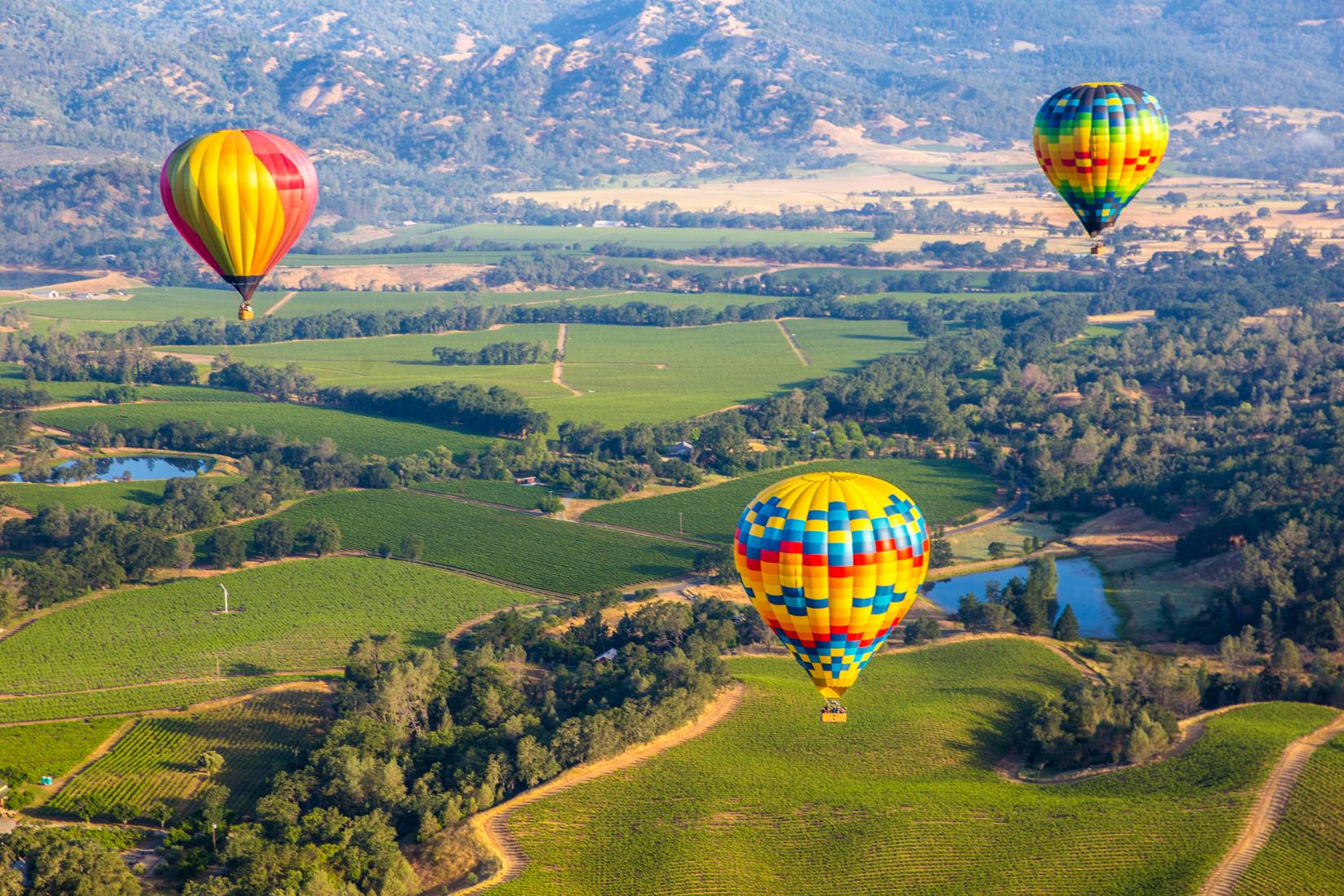
Hot Air Balloon Trip in Napa Valley, California, USACredit: Shutterstock
When it comes to more upscale dining, Napa Valley is home to some of the country’s top restaurants. In Yountville, Ad Hoc’s casual dining atmosphere offers nightly changing comfort food menus served family style. For a more refined experience, La Torque pairs award-winning cuisine with an extensive wine list, offering tasting menus that highlight seasonal ingredients and expertly matched wines. In Calistoga, Solbar at Solage, Auberge Collection balances casual sophistication with fresh, seasonal flavors in a relaxed patio setting.
Luxury accommodations aren’t difficult to find. The Archer Hotel Napa features a rooftop bar with panoramic views, cozy rooms, and a steakhouse on site, while the Meritage Resort and Spa offers vineyard views, a unique cave spa, and family-friendly amenities, all ideal bases for exploring wineries and restaurants.
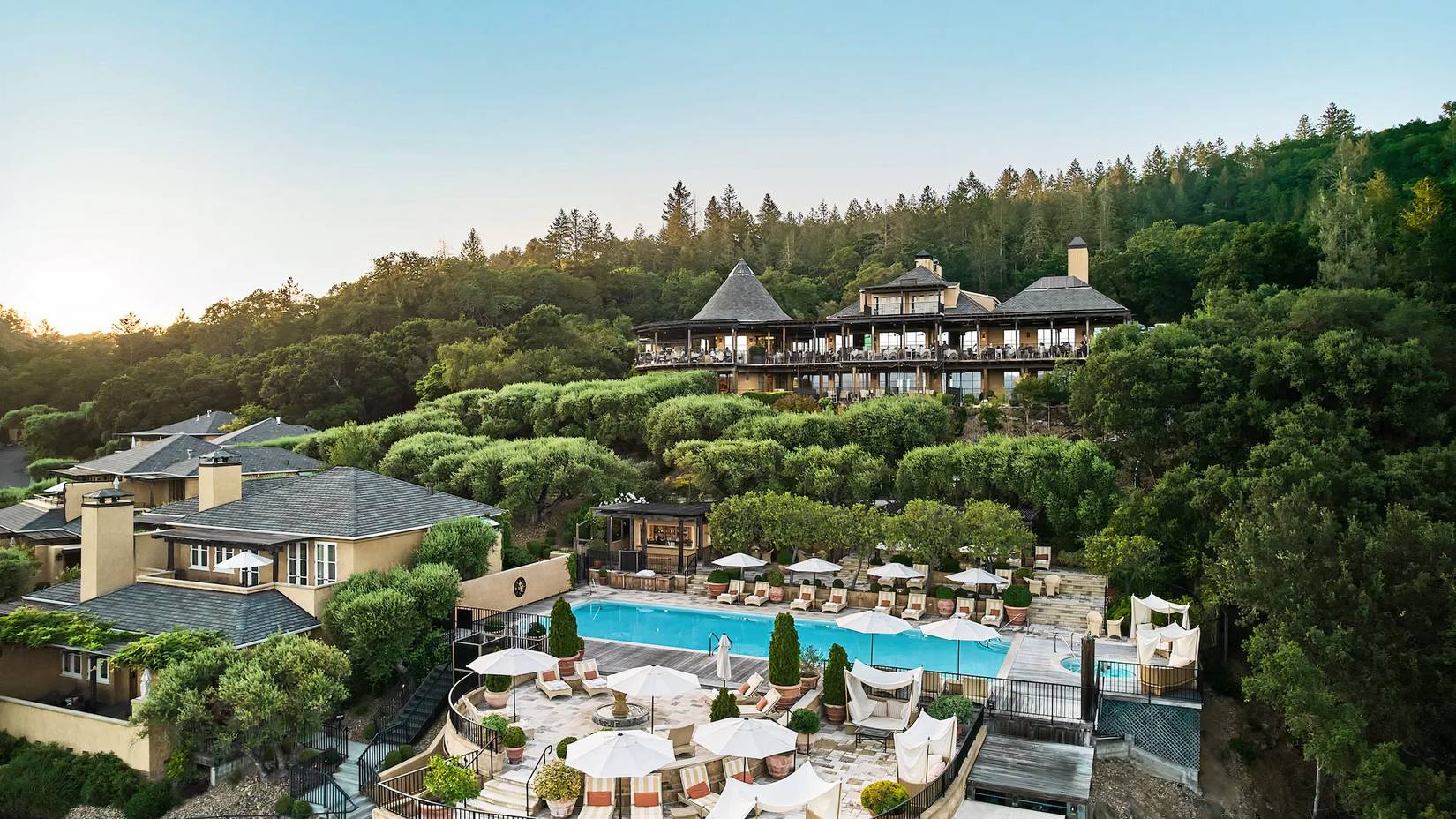
Auberge du Soleil Resort Napa ValleyCredit: Auberge du Soleil
Outdoor lovers will find plenty to enjoy. Trails wind through redwoods and rolling hills at Bothe-Napa Valley State Park, and cycling the Vine Trail offers a relaxed way to see the valley at ground level. For art and culture, the di Rosa Center for Contemporary Art showcases work inspired by Northern California.
Other Popular Napa Experiences Include
Volcanic ash mud baths in Calistoga
Farmers’ markets highlighting regional produce
Live music and historic theaters in downtown Napa
Play golf on Napa’s beautiful championship golf courses
Boating, kayaking, or paddling in the Napa River
Best Time To Visit Napa Valley
The timing of a visit to Napa Valley can shape your entire experience. Spring, March through May, is peaceful and one of the most visually stunning times to be there. Vines begin to wake up, bright yellow mustard flowers bloom across the hills, and the temperatures are ideal for spending long days outdoors. The season also brings events like the Napa Valley Marathon in early March, which follows the Silverado Trail from Calistoga to Napa, offering runners vineyard views and winery-lined stretches along the route.
Summer sets an energetic tone in Napa Valley, especially during Festival Napa Valley, held from early to mid-July, when renowned artists and emerging talents perform in vineyard settings and iconic venues. Late summer and early fall mark harvest season, often called the “crush.” From August through October, the valley buzzes with activity as grapes are picked and processed. Napa feels most energetic during these months, with warm weather and a festive atmosphere. That popularity, however, also brings larger crowds and higher prices.
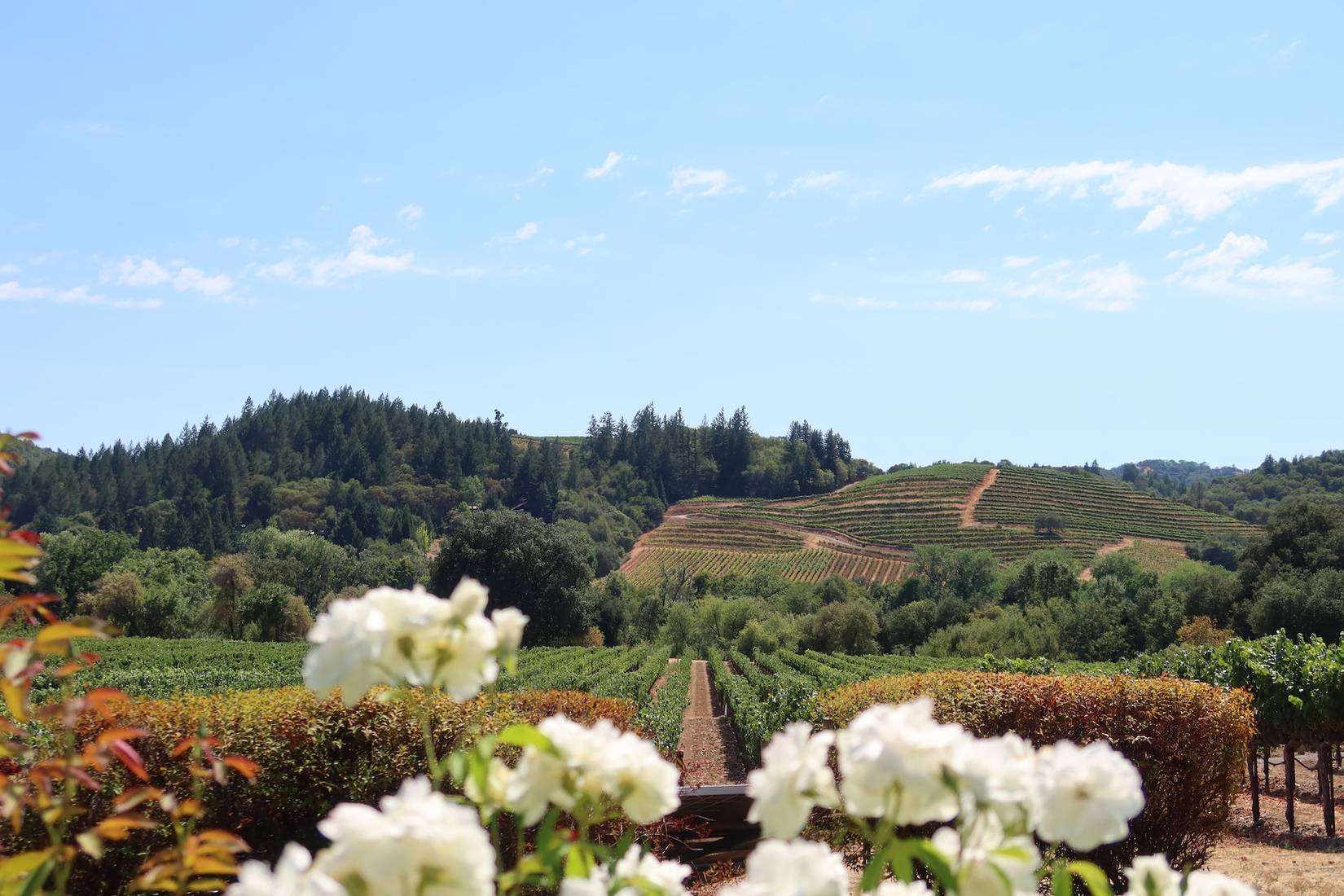
Napa Valley, CaliforniaCredit: Ugi K./Unsplash
Winter is referred to as Cabernet Season and offers a different atmosphere. From November through February, the pace slows down, lodging rates decrease, and tasting rooms feel more relaxed. It’s an ideal time for travelers who appreciate unhurried tastings and a more intimate, low-key atmosphere. Winter is also the time to take advantage of programs like the Winter in the Wineries Passport. For $80 per person, visitors from December through late winter can enjoy complimentary tastings at select wineries, along with dining and lodging perks across the region.
Season
What To Expect
Best For
Spring (March-May)
Blooming vineyards and flowers, mild weather, Napa Valley Marathon
Scenic beauty, outdoor time, fewer crowds
Summer (June-July)
Warmer days, cultural events like Festival Napa Valley
Music lovers, festivals, long days outdoors
Fall (August-October)
Harvest “crush” season, busy wineries, festive energy
Wine enthusiasts, first-time visitors
Winter (November-February)
Slower pace, lower rates, Winter in the Wineries Passport
Value seekers, intimate tastings, relaxation
Napa Valley isn’t just a wine destination. It’s a place where the landscape, cuisine, and culture come together in a way that feels effortless and inviting. Whether you’re sipping Cabernet on a vineyard terrace, hiking along the quiet trails, or lingering over a carefully prepared meal, the valley encourages you to slow down and savor every moment. Its mix of natural beauty and refined indulgence evokes the charm of Tuscany without ever leaving the United States.
Dining and Cooking