
It’s no secret that eating well can benefit our health.
Whatever our age, the basic guidelines tend to remain the same: plenty of fruit and veg, lean proteins, healthy fats and fibre. But tailoring what’s on our plates to our life stage could also help us live well for longer.
“As we age into our mid-60s and beyond, there’s still plenty of time to reap the benefits of a healthy, balanced diet alongside physical activity to prevent or delay the onset of chronic diseases and functional decline,” dietitian Kiri Pointon-Bell tells Yahoo UK.
“This can help with quality of life and support ageing, so that people enjoy many more years of living well.”
Of course, everyone’s different, so you may need to tailor what you eat to fuel exercise or manage any health conditions – always seek advice from your GP before dramatically tweaking your diet. However, she suggests prioritising the following from 65 onwards.

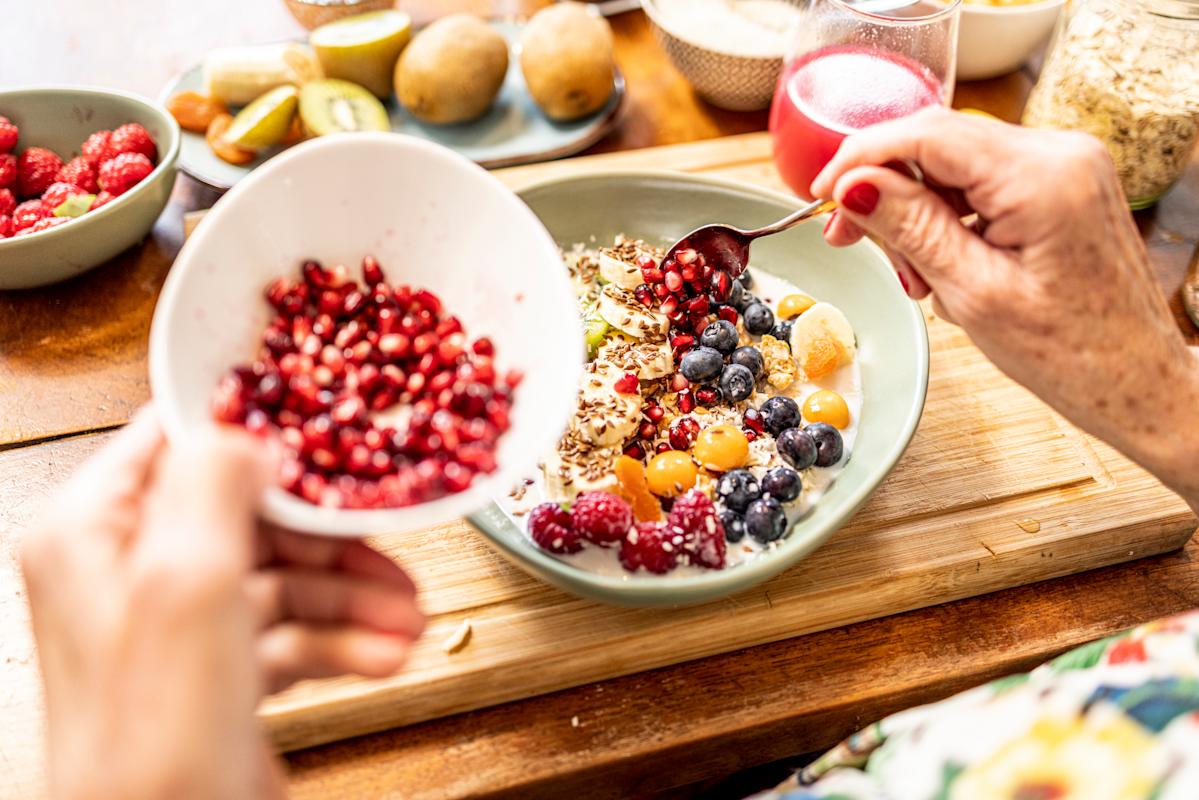
The Mediterranean diet could help reduce the risk of chronic diseases, such as cancer and heart disease.
(Ekaterina Vasileva-Bagler via Getty Images)What to eat from 65
Mediterranean diet – for brain and heart health
Protein – to keep muscles strong
Fibre – to support digestion and reduce the risk of chronic diseases
Mediterranean diet
Pointon-Bell says that a nutritionally balanced diet based on the Mediterranean way of eating is one of the best ways to eat regardless of age. Think plenty of olive oil, fruit, vegetables, wholegrains and fish.
Research shows that following a Mediterranean diet could help you live longer and reduce the risk of obesity and chronic diseases such as cancer, type 2 diabetes and heart disease. It could also benefit your brain health.
5-a-day for brain health
The dietitian explains that the antioxidants in fruit and vegetables – which the Med diet is rich in – may help protect brain cells associated with Alzheimer’s from damage.
“However, only 27% of adults aged 65 years and over consume five fruit and vegetable portions a day, according to the Health Survey for England, 2019,” she adds. To reap the benefits, try adding more to your diet. Fresh, frozen and tinned (in natural juice or water) all count.
Oily fish for heart health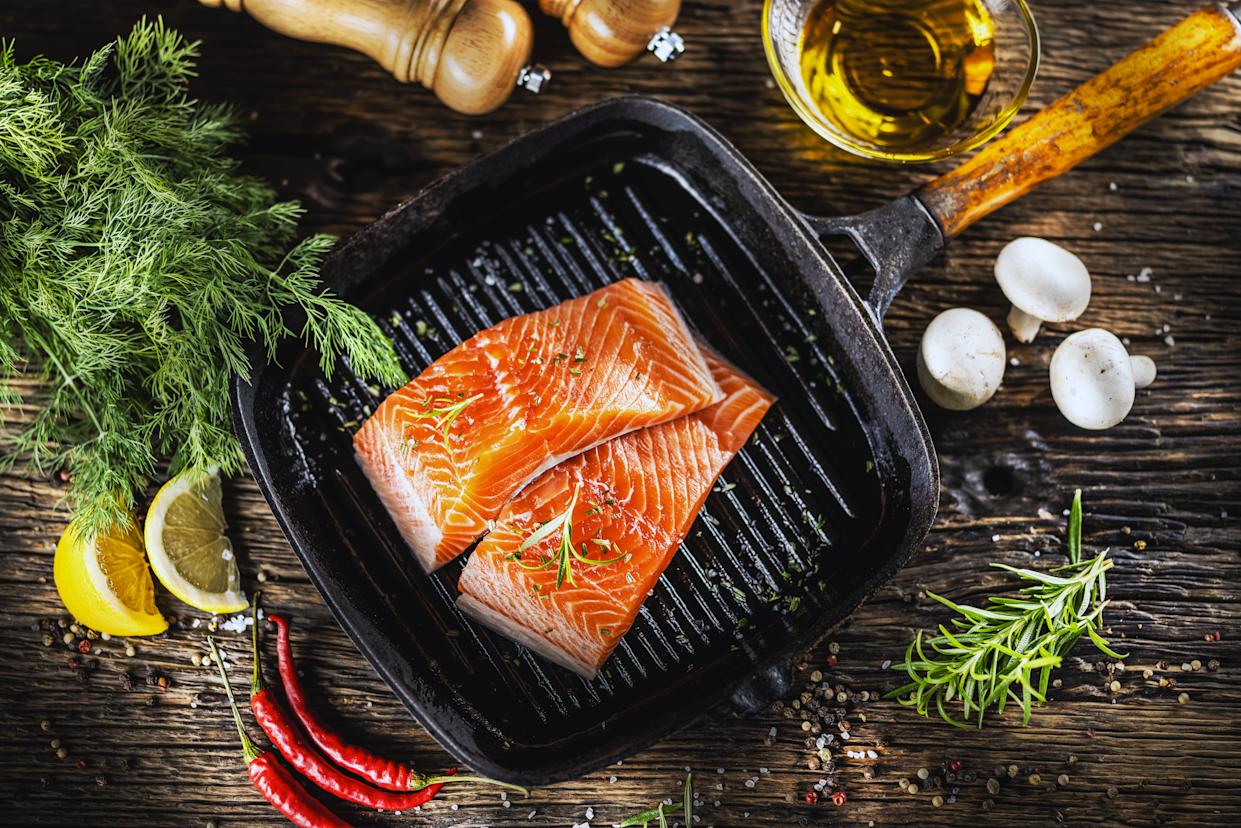
Oily fish could help prevent heart disease.
(SimpleImages via Getty Images)
Another food many of us could eat more of is the oily fish found in the Mediterranean diet. Oily fish, such as herring, salmon, sardines, mackerel and trout, are rich in heart- and brain-healthy polyunsaturated fatty acids, which include long-chain omega-3 fatty acids.
The NHS recommends we eat two portions of fish a week, one of which is oily, as it may help prevent heart disease. This works out at around 20g a day. However, in the 65–74 age group in England, Pointon-Bell says men are only eating around 17g and women 12g.
Oily fish containing bones you can eat, such as pilchards, whitebait and sardines, are also good sources of calcium and phosphorus, which can help keep our bones strong.
Veggie sources of omega-3 fatty acids include flaxseed (linseed) oil, rapeseed oil, walnuts, and omega-3-enriched eggs.
Protein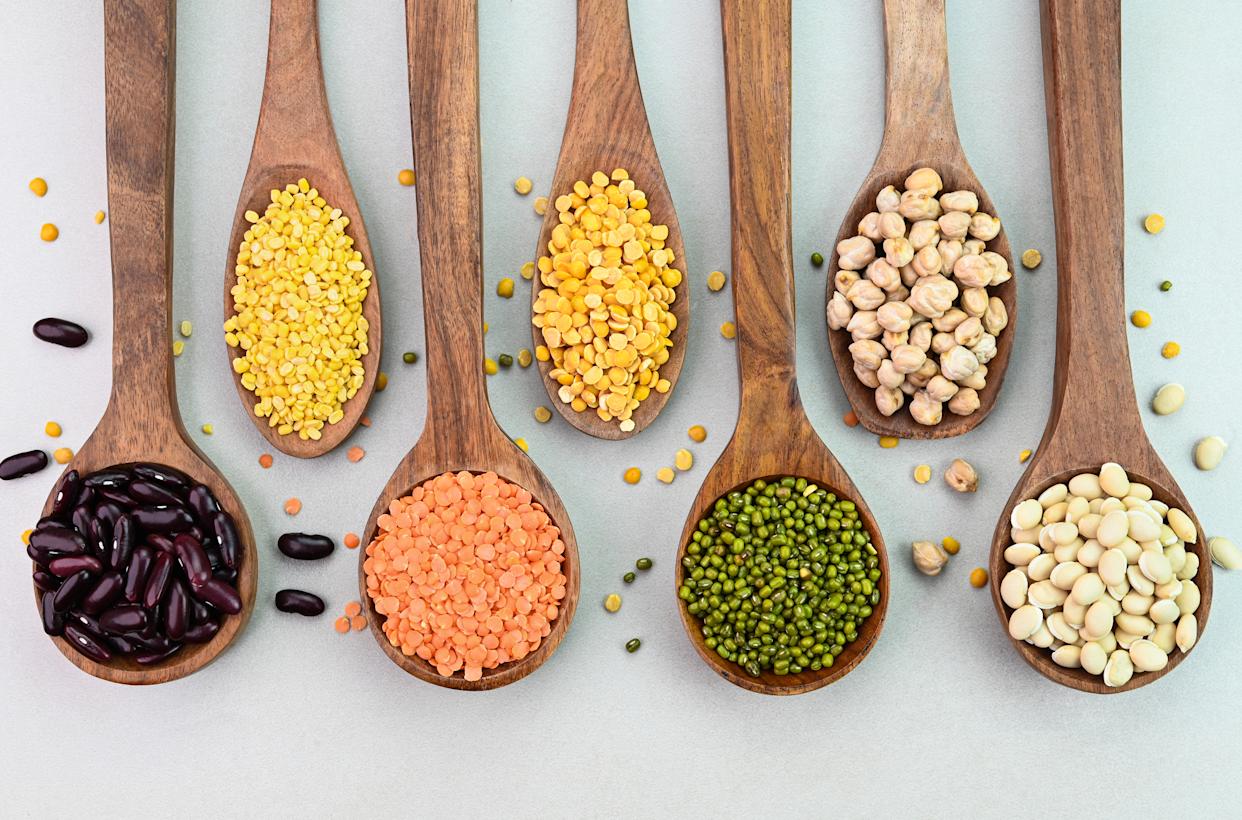
Protein helps support our immune system.
(jayk7 via Getty Images)
In our 60s and 70s, it’s important to ensure we’re eating enough protein to help keep our muscles and bones strong, support our immune system and reduce the risk of frailty.
The recommended daily protein intake for adults in the UK is 0.75g per kg of body weight. However, Pointon-Bell says that, after the age of 65, some experts suggest we actually need more.
“The European Society for Clinical Nutrition and Metabolism and the PROT‐AGE Study Group have advised that a healthy older adult’s recommended daily protein intake should be increased to 1–1.2 g per kg to help us maintain functionality, independence and fight infection,” the British Dietetic Association spokesperson explains.
For anyone already experiencing frailty, she says a higher protein intake of 1.2–1.5g per kg of bodyweight is suggested. Good sources include lean meat, fish, poultry, eggs, pulses, soya, nuts, tempeh and tofu.
Fibre
Fibre is important at any age, as it supports digestion, helps you feel fuller for longer and is linked to a lower risk of heart disease, stroke, type 2 diabetes and bowel cancer. The recommended daily intake is 30g, yet only 4% of UK adults meet this target.
To ensure you’re getting plenty, Pointon-Bell recommends reducing the amount of ultra-processed foods you’re eating as they’re often low in fibre, and eating more higher-fibre options such as fruit, vegetables, nuts, seeds, pulses and wholegrains.
Dining and Cooking