
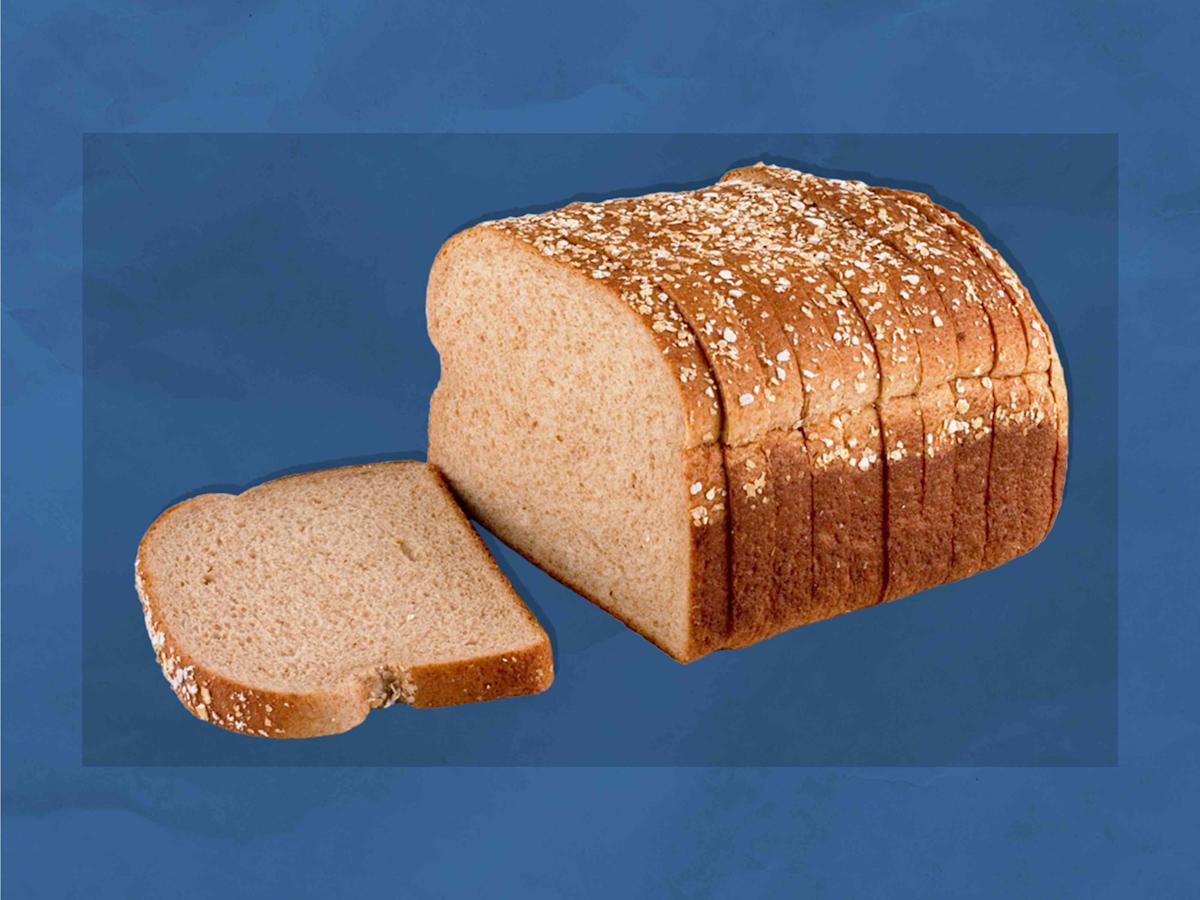
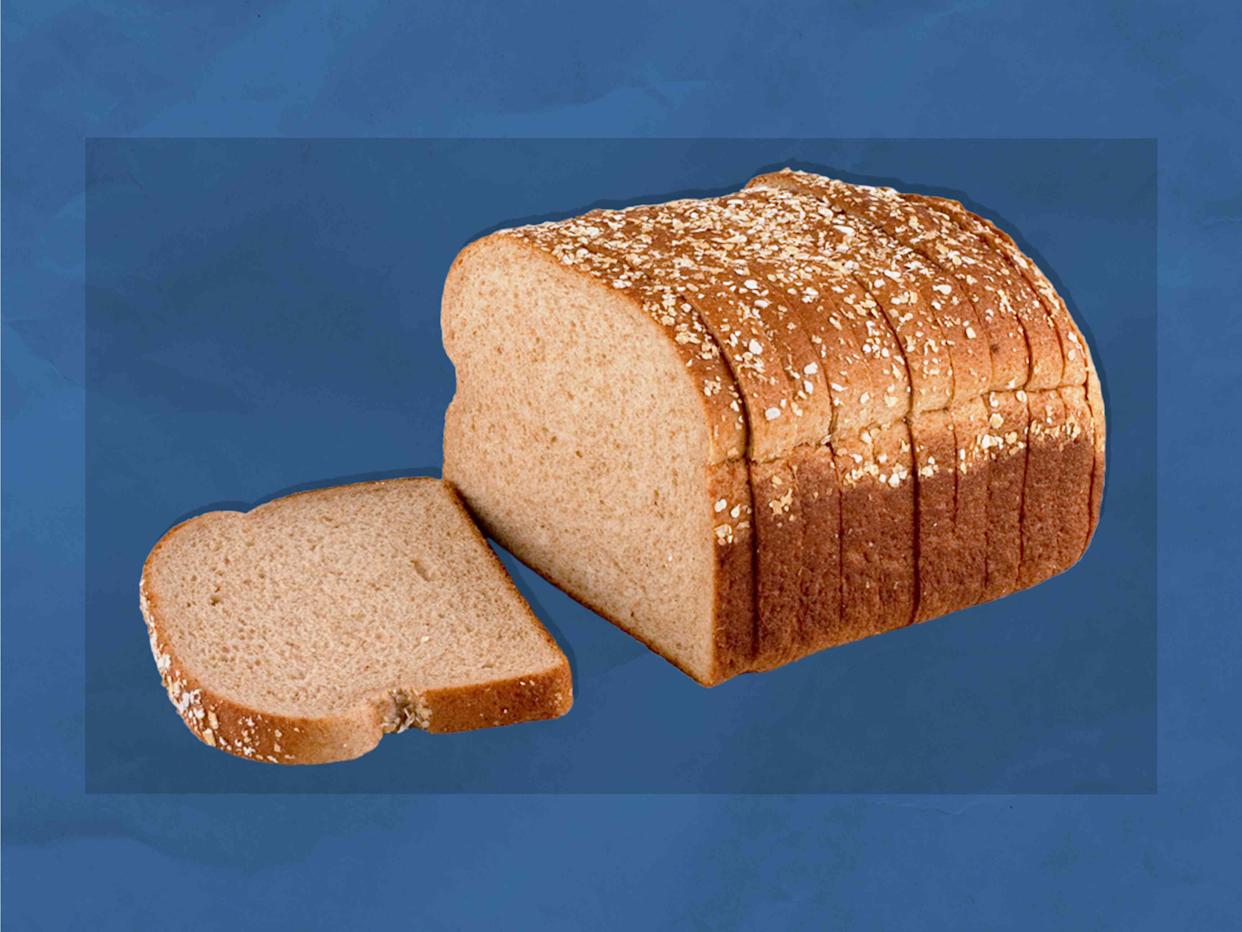
Credit: Adobe/Allrecipes
We have a lot of choices in the bread aisle these days, from the squishy Wonder Bread that’s a staple of many childhood menus to new, sturdy sprouted loaves. For some folks, the increasing variety within the packaged bread category is the greatest thing since, well, sliced bread. For others, it’s overwhelming.
I count myself as a member of the latter group. Sure, certain bread styles (like long-fermented sourdough or fluffy focaccia) are generally best to DIY, as my baker friends have told me over the years. Packaged renditions can’t quite compare to the complexity and crust you’ll achieve by starting from scratch.
Still, “store-bought bread has a place, especially when brands respect traditional bread fundamentals, as many do these days,” confirms Ingrid Funes-Shelton, executive chef at Carté Hotel San Diego Downtown. Even Ina Garten agrees that store-bought is fine, calling for Pepperidge Farm bread as the foundation for her Ultimate Tuna Melts.
With this in mind, I reached out to professional chefs and bakers from coast to coast to help narrow down our options so we can invest our dough wisely.
Our Panel of Bread-Rating Chefs
Peter Som, a New York City-based, award-winning fashion designer, culinary creator, lifestyle expert, and the author of “Family Style”
Rick Yockachonis, executive chef at Olivine in Auburn, Ala.
Qualities of the Best Store-Bought Bread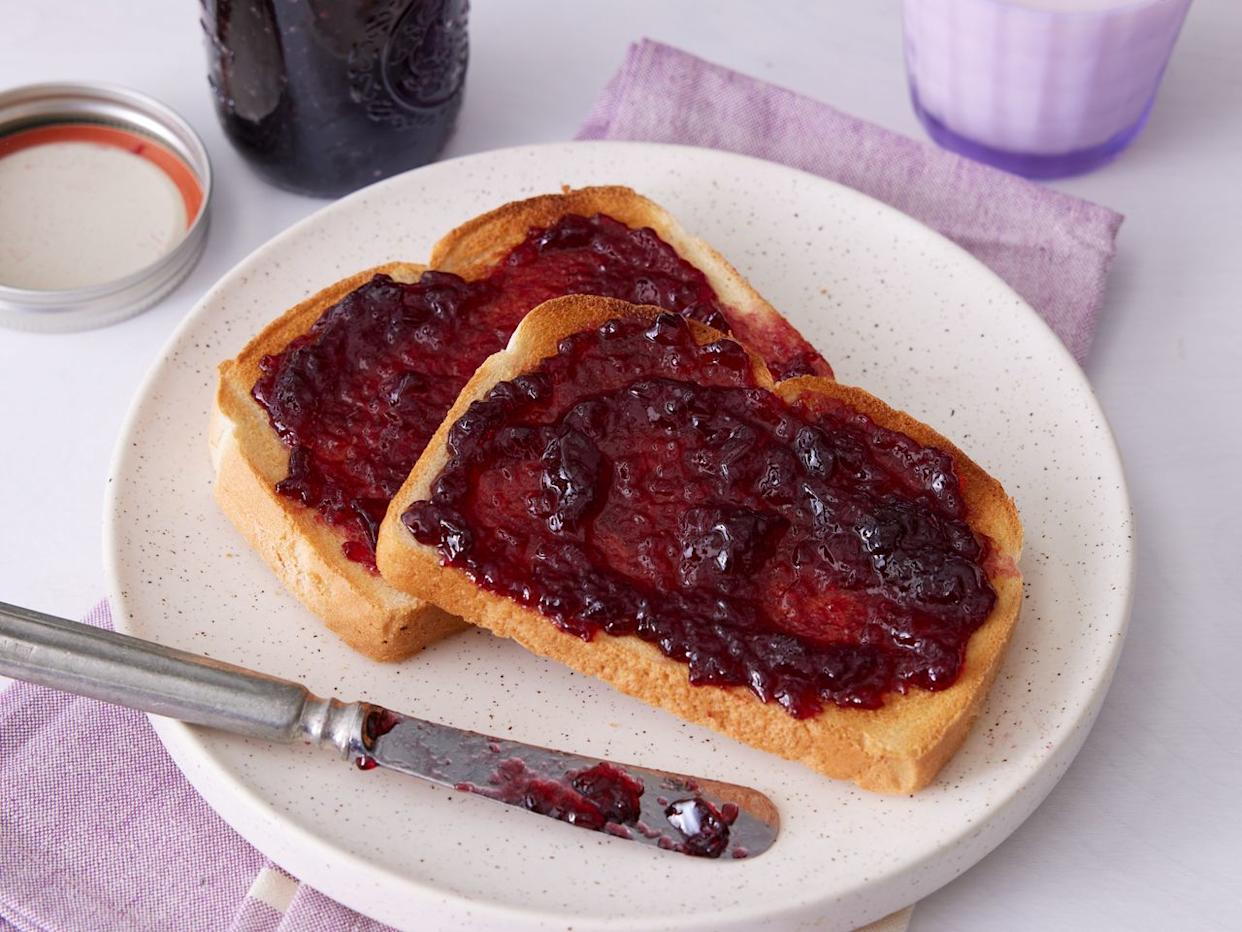
Credit: Dotdash Meredith Food Studios
Cookbook author Peter Som believes that the store-bought bread category has improved dramatically in recent years. Competition inspires innovation and higher standards, he explains.
Compared to just a decade or two ago, “there are many more thoughtful options that prioritize flavor, texture, and ingredient quality, which makes it much easier to find a loaf that fits into everyday cooking,” Som says. “The best store-bought breads are the ones that feel versatile and dependable; something you can use for breakfast, lunch, or dinner without overthinking it. When a loaf does that well, it earns a permanent place in my kitchen.”
Beyond reliability and versatility, the chefs suggest seeking out the following features in your supermarket bread brand:
A simple ingredient list. “When evaluating supermarket bread, I start with the ingredient list. Shorter is better—ideally just flour, water, yeast, salt, a natural starter, and minimal additions,” says Rick Yockachonis, executive chef at Olivine restaurant. He avoids any loaves with dough conditioners, preservatives, or emulsifiers, which tend to “lengthen the shelf life at the expense of genuine flavor and texture,” Yockachonis adds. Cookbook author Arash Hashemi prefers breads made with a whole grain as the first ingredient, and a recipe that’s low in added sugars. “Bread should be simple,” Hashemi says.
A good structure. The best breads have a crumb with some chew and structure, instead of being cottony, gummy, or sponge-soft, Som verifies. Instead of collapsing the moment you add a spread or stack the bread, top-tier store-bought breads have a crumb that’s “tender but not spongy, with a slight chew. The structure should be similar to fresh bakery bread,” Funes-Shelton says. There should also be a noticeable crust even on sliced loaves, Yockachonis notes.
An appealing flavor. Stellar slices taste like grain or wheat—not sugar or anything overly processed. “Bread should feel and taste like a real food, not just a vehicle for fillings,” Som says.
The Best Store-Bought Bread, According to Chefs
For the purpose of this ranking, we asked the experts to focus on bread loaves rather than other bread products, such as English muffins, hamburger buns, or Hawaiian rolls. (We still love you, King’s Hawaiian!)
With votes from four of our seven panelists, the runaway winner in our best grocery store bread survey is Dave’s Killer Bread 21 Whole Grains and Seeds. Each slice is “hearty, flavorful, and nutritious without feeling like a compromise.” according to Yockachonis.
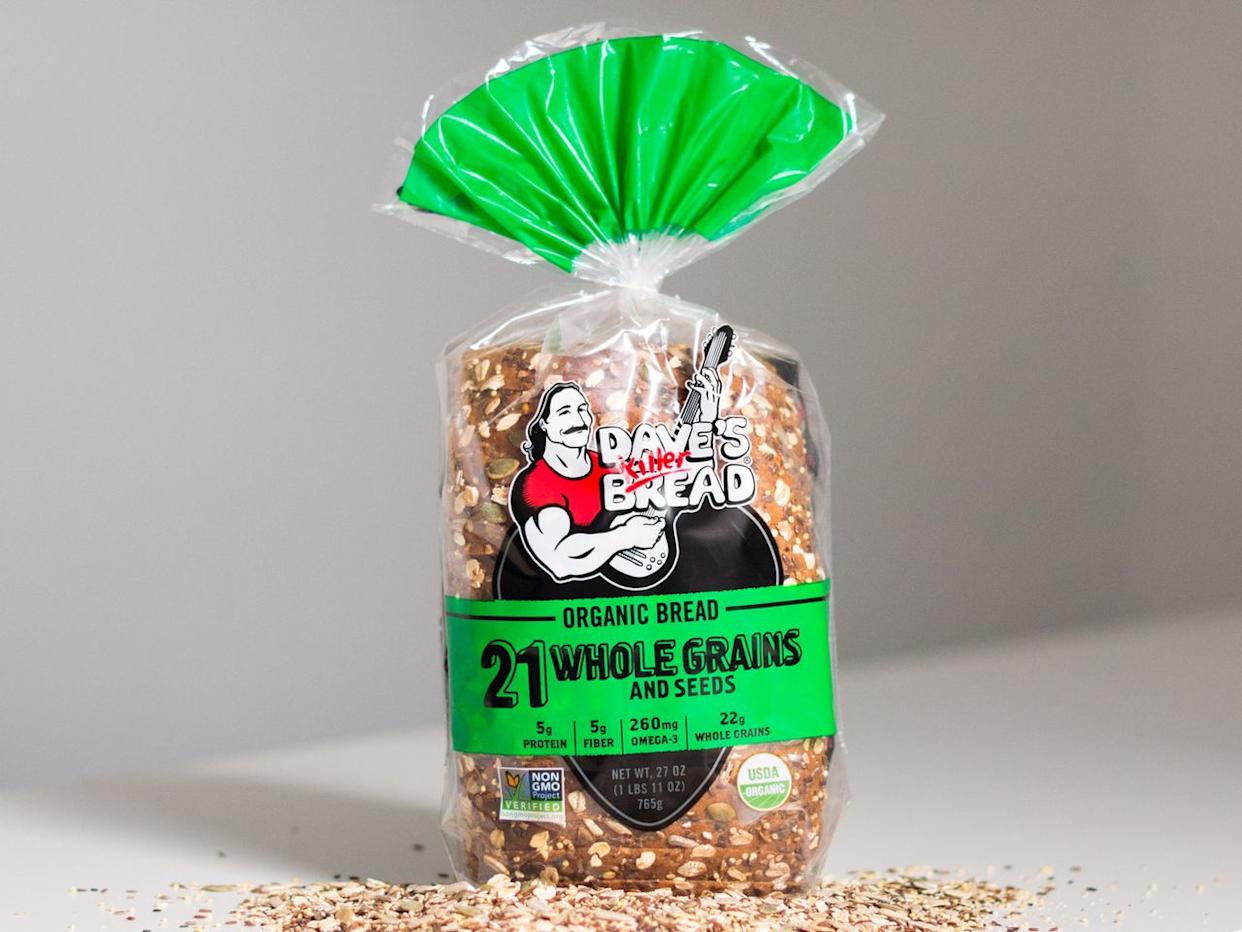
Credit: Dave’s Killer Bread
“Anybody can make bread you can eat. It takes more passion and care to make bread you want to eat,” says Central Park Boathouse executive chef Adam Fiscus. Dave’s does just that with this recipe, he admits.
“Dave’s Killer Bread makes some of the best nationally-available bread, with their multigrain and seeded loaves really standing out as the MVPs,” Som agrees.
The secret lies in the balance between nutrition and satisfaction, the chefs tell us. Dave’s team created a recipe that pairs substantial yet not-overly-dense texture with a pleasant nutty quality and subtle sweetness, courtesy of all those nuts, seeds, and small dose of cane sugar and molasses. The seed-coated crust lends additional flavor and crunch, Yockachonis explains: “These slices have presence. They hold up to toasting, spreads, or hearty fillings, while tasting intentional and fresh rather than mass-produced.”
Fonville Press executive chef Jamielyn Arcega joins the Dave’s fan club, applauding the nutrition facts and consistency. Made primarily with whole wheat, a collection of heart-healthy and chewy seeds, and oat fiber, each slice offers six grams of protein (as much as one large egg) and four grams of fiber (on par with 2 1/4 cups broccoli).
“The nutrition checks all the boxes for me. And being that I’m partial to texture, the nuts and seeds in the formula offer roasted flavors that enhance a standard sandwich—or however you use the bread,” Arcega says. This is one of the select store-bought breads that’s “equally tasty to homemade and provides health benefits, too,” she adds.
Honorable Mentions
A few other bread aisle neighbors earned a stamp of approval from the pros:
Ezekiel Sprouted Whole Grain Bread: Garnering rave reviews from Hashemi and Som, this hearty, sliced bread earns second place in our friendly bread battle. Crafted with all organic ingredients, including sprouted wheat, barley, millet, lentils, soybeans, and spelt, this yeast bread stands out due to that “sprouted” factor, which is said to affect digestibility. “Ezekiel is my go-to mostly because of the ingredients, which feel simple and purposeful. The sprouted grains mean each slice digests more slowly and feels genuinely sustaining,” Hashemi says. Som selects this as his second favorite due to the nutrition (thanks to all those whole grains, each slice has four grams of protein and three grams of fiber) and the ease of storage. “The upside is that these loaves are meant to be kept frozen so they’ll last longer,” Som notes. “The downside is that means you pretty much always have to toast them.”
Sara Lee Artesano Bakery Bread: The top pick for Jay Calimlim, property assistant executive chef at Green Valley Ranch, is also celebrity chef-approved. Although Tyler Florence wasn’t part of our official panel, he did mention on a 2024 episode of his podcast “Two Dudes in a Kitchen” that Sara Lee Artesano is his favorite for grilled cheese. Made with enriched wheat flour, sugar, yeast, vegetable oil, and wheat gluten, the crumb is fairly similar to the Wonder Bread you might remember from childhood brown bag lunches. But the flavor is noticeably more robust. “Among supermarket options, Sarah Lee’s Artesano white bread is the one I reach for most often. My kids love it, mainly because of its soft, spongy texture that closely resembles Japanese milk bread,” Calimlim tells us. “I like it because it holds up well in school lunches when I make sandwiches ahead of time, even with spreads.”
La Brea Bakery Take & Bake Tuscan Loaf: If you’re up for investing a little effort, Funes-Shelton says you likely won’t be disappointed by this hearty, chewy loaf from a nationwide brand that started in a Los Angeles bakery in 1989. Similar to Sara Lee, this is made with enriched flour and yeast. It stands out, though, due to its rye flour, sourdough, malt powder, and whole wheat flour, which amp up the tangy and roasted flavors and impact the texture. “La Brea’s breads offer a true bakery-style experience once finished in the oven. You’ll score a crisp crust, tender interior, and none of the labor of baking from scratch,” Funes-Shelton says. By heating the loaf for just five to seven minutes in a hot oven, “the crust comes out nicely crunchy, while the center stays soft and tender, which is difficult to achieve in fully baked supermarket bread,” she explains. “It also has a clean, wheat-y flavor that works across a range of uses, rather than tasting overly processed or neutral. It comes impressively close to bakery quality for everyday use.”
Base Culture Sourdough Bread: Lastly, Hashemi wants to give a hat tip to a brand that offers a good alternative for folks who avoid gluten, grain, or carbs. “I’ve lost close to 150 pounds eating a higher-protein, lower-carb lifestyle, so I always prioritize protein first and am more intentional with carbs. If I’m prioritizing lower carbs or blood sugar control, Base Culture’s keto sourdough is my move,” Hashemi says. If it’s not made with wheat or grain, you might be wondering, “What’s in it?” Eggs, cashew butter, arrowroot flour, sauerkraut (Trust the process!), flaxseed meal, almond flour, honey, and coconut oil. Compared to other keto-friendly breads, “Base Culture balances ingredients, nutrition profile, and flavor the best. The slices have real structure and flavor without relying on overly engineered ingredients. The texture holds up, the ingredients are clean, and the overall impact on blood sugar is lower, which makes it easier to fit into a balanced, high-protein meal without sacrificing taste,” Hashemi says, all with just eight grams of carbs per slice.
How To Enjoy Bread Like a Chef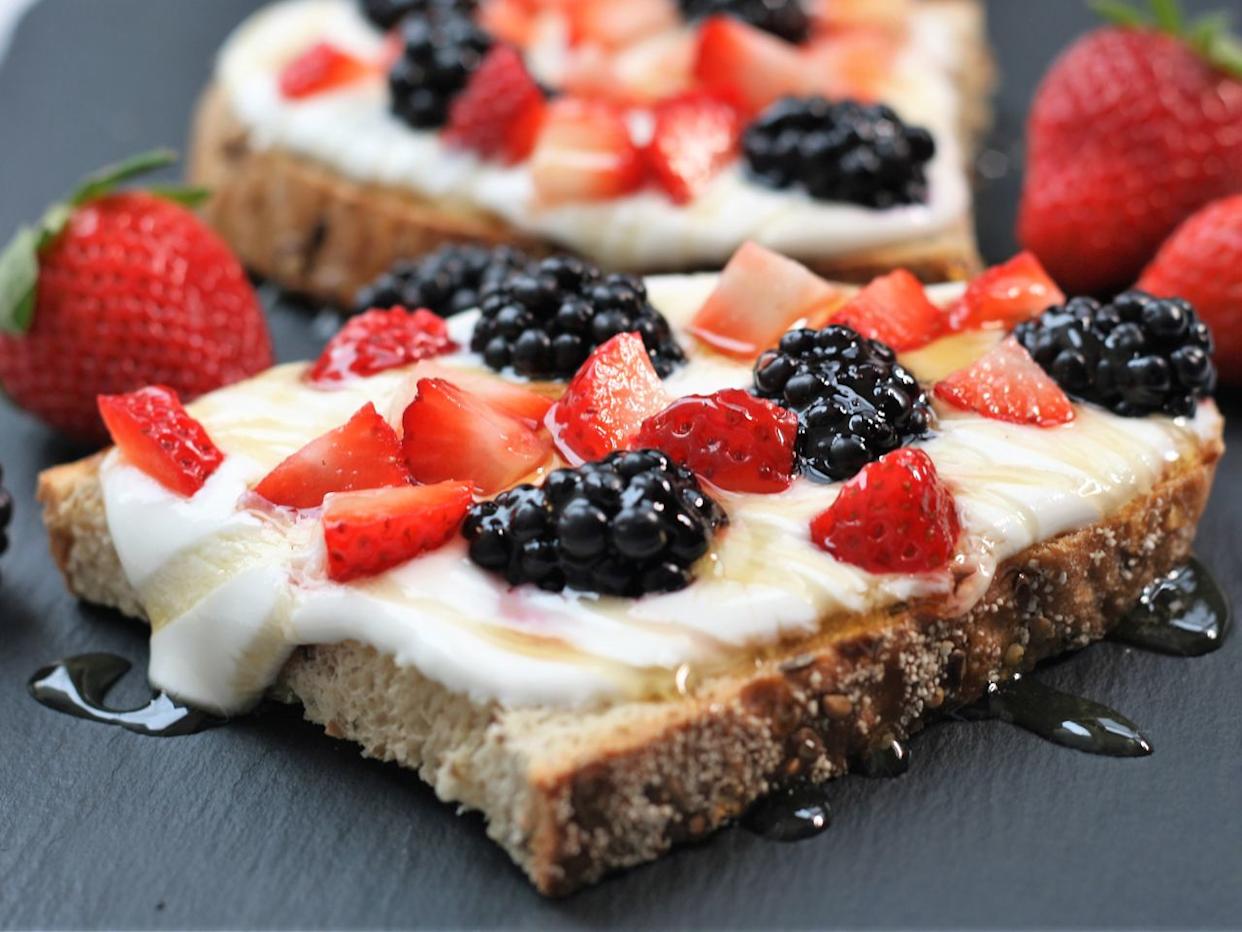
Now that you’re equipped with your shopping list, you’re all set to secure your slices and savor them like our panelists. With store-bought sliced bread, they recommend:
Read the original article on Allrecipes
Dining and Cooking