
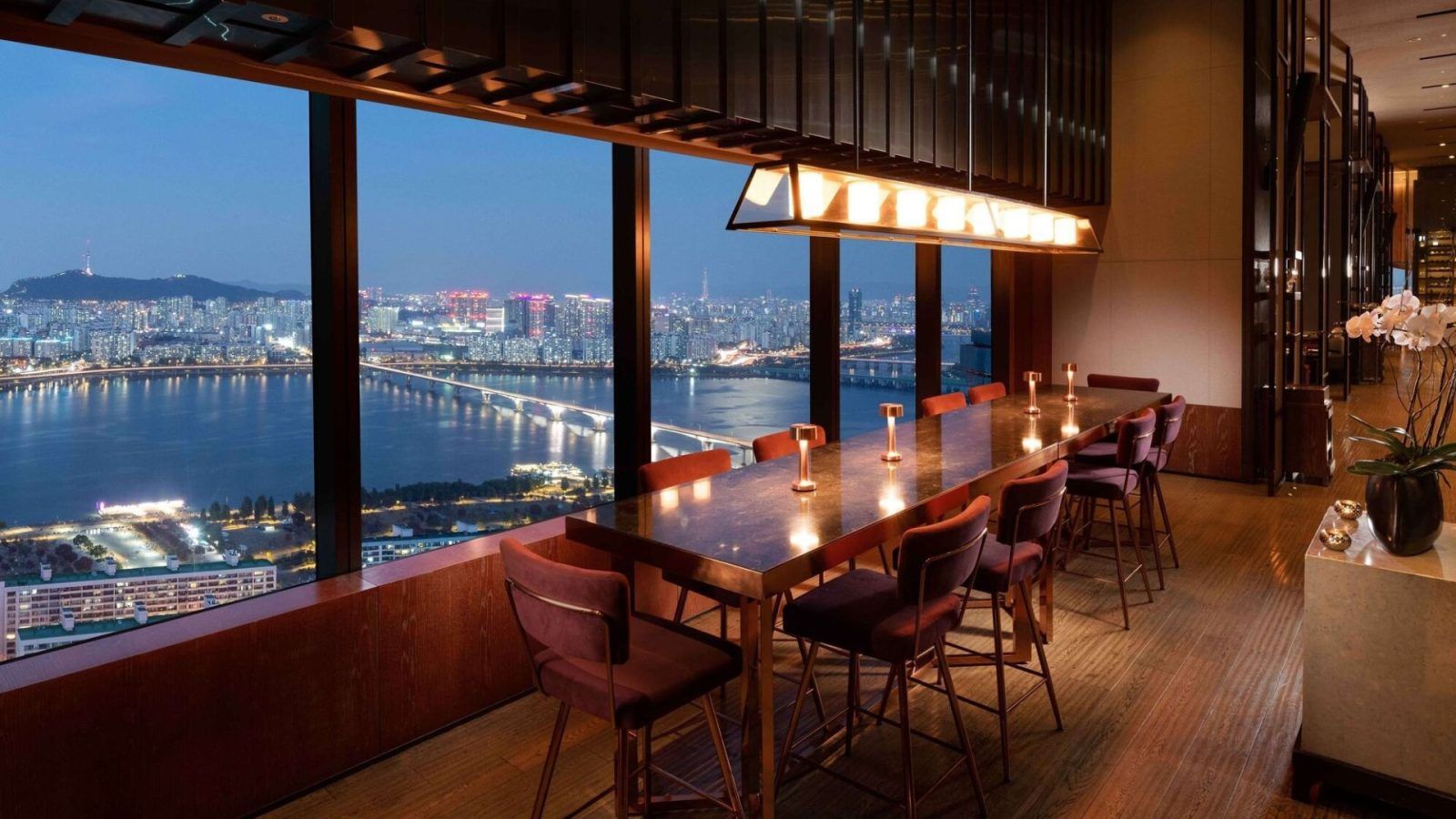
37 Grill and Bar, Conrad Seoul, South Korea | Image credit: Conrad Seoul
These wine cities are rewriting the rulebook, pairing bold local character with serious vintages that demand global attention.
There’s something deliciously ironic about drinking better Burgundy in Tokyo than in Beaune, or discovering a more serious Rioja collection in London than in Logroño. It makes every oenophile frown in pleasant surprise. Distance, it turns out, sharpens desire. Historically, wine has always travelled; as early as the 8th-6th centuries BCE, Greek colonies spread viticulture throughout the northern Mediterranean and the Black Sea coast, introducing it to the Etruscans, Romans, Celts and Scythians.
Many modern cities simply build on this tradition, and some of the most exciting scenes today thrive where wine culture has been imported, refined, and made its own. Where chefs, importers, and sommeliers operate at improbable levels of precision. Below, we explore the cities that, even without surrounding vineyards, deliver some of the world’s most surprising wine experiences.
Learn about this seven-day wine tasting luxury train journey that visits Champagne, Alsace, and Burgundy with guided tastings and more than 35 varieties along the route.
What actually turns a city into a thriving wine destination?
An obvious but key factor remains infrastructure. The coming together of disciplined importers, temperature-controlled storage, restaurants that invest in deep cellars, and passionate sommeliers is the secret ingredient that brings out the je ne sais quoi. The presence of capital helps, certainly, but curiosity matters more. A city that drinks thoughtfully will inevitably buy thoughtfully.
Wine travels to where there is liquidity, stability, and an audience prepared to cellar it properly. The world’s influential wine hubs have often been merchant cities rather than agricultural ones, like places shaped by trade routes, shipping lanes, and financial markets. London became a great wine capital not by growing grapes, but by controlling tariffs, trade agreements, and centuries-long commercial ties with Bordeaux producers. Hong Kong’s abolition of wine duty in 2008 transformed it into a fine-wine gateway to Asia.
Culture completes the picture. A great wine city fosters and encourages conversation between chefs and sommeliers, collectors and importers, classicists and natural-wine radicals. It offers both grand bottles and eccentric ones, verticals alongside pét-nat, first-growth Bordeaux next to obscure Jura. It understands that pairing is less about doctrine and more about experimentation at the table. That wine and food are more akin to lovers with natural chemistry than forced partners stuck in an arranged marriage and bound by convention. Most importantly, it holds high standards without being pretentious about them or using it as a promotional asset: the storage is correct, the stemware is right, and curiosity is welcomed rather than judged.
Book your stay at Mandarin Oriental Tokyo via Booking.com
Book your stay at Mandarin Oriental Tokyo via Agoda
These wine cities have a cork to pop
Copenhagen, Denmark
It’s surprising that a country with largely flat terrain and minimal vineyards emerges as the unofficial epicentre of the natural wine movement, but Copenhagen has upended expectations. Fortuitously, the city’s gastro scene (plus its diners) also shares an appetite for the unexpected. Begin here by planning dinner reservations first (many wine bars are chef-driven extensions of serious kitchens), and focus on places that maintain relationships with small European growers, particularly from the Jura, Loire, and northern Italy. Visit independent wine shops like Rødder & Vin, Volatil Vinhandel, or Rosforth & Rosforth during the day; they often double as informal tasting hubs and will signal which producers are resonating locally (ask about lesser-known cuvées rather than headline bottles).
If you are wondering where to stay, you can check into the fairytale Nimb Hotel, an opulent Moorish-inspired castle-hotel set within Tivoli Gardens, in the heart of Indre By. It’s a perfectly placed base for exploring Copenhagen’s natural wine scene, with candle-lit bars like Melo and Bar’Vin pouring unfiltered, small-producer bottles just minutes away on foot.
Book your stay at Fairytale Nimb Hotel Copenhagen via Booking.com
Book your stay at Fairytale Nimb Hotel Copenhagen via Agoda
Tokyo, Japan
 élevé is highly regarded for its extensive selection of Burgundy wines in Tokyo | Image credit: élevé
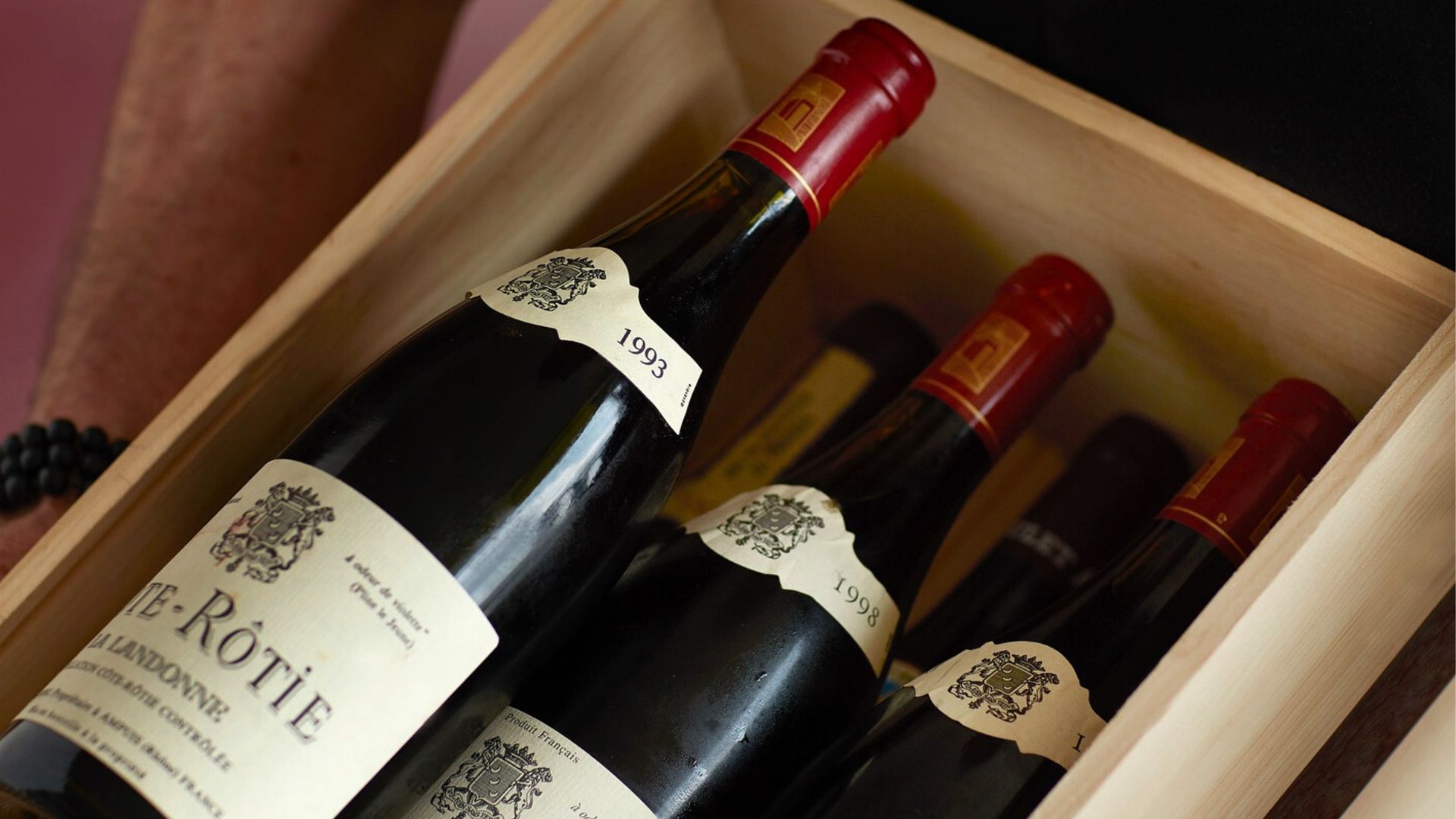
Tokyo may not produce meaningful quantities of wine, but it might be one of the most exacting wine cities on earth. The culture here prizes precision: immaculate storage, obsessive glassware standards, and sommeliers who can recite soil compositions the way other people quote poetry. Burgundy, in particular, enjoys near-religious status, and long-standing relationships between Japanese importers and French domaines mean bottles that vanish instantly elsewhere sometimes surface quietly here.
Not to sound like a broken record, but since it is also a capital, plan well in advance. Many serious wine bars seat fewer than a dozen guests, and prioritise establishments like élevé or Goût de Jaune that specialise in old-vine Barolo, mature Bordeaux, offbeat Jura or grand cru Burgundy.
Stay at the Mandarin Oriental Tokyo during its annual Wine Salon to experience an exquisite series of curated tasting sessions led by award-winning sommeliers, exploring themes like Champagne, regions, and classic producers.
Alternatively, base yourself at the Palace Hotel Tokyo, located near a moat opposite the Imperial Palace gardens, where expert-hosted tastings spotlight both leading Japanese wines (from Yamanashi, Nagano, and Hokkaido) and notable international bottles. Both hotels are minutes from Ginza and Marunouchi, placing you within effortless reach of many refined bars and tasting counters.
Book your stay at Mandarin Oriental Tokyo via booking.com
Book your stay at Mandarin Oriental Tokyo via Agoda
Singapore
 Saint-Pierre at One Fullerton | Image credit: Saint-Pierre/Instagram
Singapore has no vineyards, but it also has zero wine duty, formidable storage facilities, and one of Asia’s most concentrated fine-dining scenes. Try to secure reservations at sommelier-driven restaurants a few weeks in advance, particularly if you’re hunting allocations of Burgundy, grower Champagne, or cult Napa. Many top lists rotate quickly, so check updated wine menus online before booking.
Also read | These Sunday Champagne Brunches Are Worth Taking A Trip To Singapore This Year
Set up your basecamp at The Paiza Collection suites in Marina Bay Sands for sprawling city views, private butler service (useful if you’re arranging private tastings), and exclusive access to the Paiza Sky Residence, which is home to Singapore’s largest assortment of the insanely rare Domaine de la Romanée-Conti wines, with multiple years of their top Romanée-Conti Grand Cru available.
Book your stay at The Paiza Collection suites in Marina Bay Sands via Booking.com
Book your stay at The Paiza Collection suites in Marina Bay Sands via Agoda
The Paiza Wine Vault is easily one of Singapore’s most impressive wine collections, boasting several rare vintages and intimate sommelier-led tastings for guests. With the hotel in the heart of the CBD, you’ll also be within easy reach of some of the city’s other standout wine lists. Look for restaurants known for deep Burgundy cellars, serious Italian allocations, or Champagne-focused tasting menus like Saint-Pierre at One Fullerton, or Odette in the National Gallery Singapore. Singapore is also strong on private client storage, which means if you have collector contacts, this is a city where you’ll find that private cellar dinners are not uncommon.
Discover the best time and places to see cherry blossoms in Singapore this year.
Seoul, South Korea
Seoul’s wine scene is built on collectors and private enthusiasm rather than vineyard tourism, with a rapidly expanding market for imported wines. The city, as of late, has a surprisingly deep appetite for Bordeaux and blue-chip Burgundy, often purchased through futures and global auctions.
Plan by targeting hotel restaurants, funky independent wine bars, and private clubs known for extensive lists, and consider booking tasting menus with optional premium pairings. Retail shops in affluent districts often carry rare labels; some will arrange private tastings for serious buyers with advance notice.
Storage standards are generally excellent, but price sensitivity varies, so you can expect ambitious markups in trendier neighbourhoods. For serious wine lovers, the Conrad Seoul is a reliable base as its very own 37 Grill & Bar features an award-winning list of deeply curated domestic and international bottles, paired with skyline views and great steaks. The hotel also hosts regular wine-focused events and rooftop tastings, and is just a short taxi ride (10-20 minutes) from the wine-dense neighbourhoods of Hannam-dong and Itaewon.
Book your stay at The Conrad Seoul via Booking.com
Book your stay at The Conrad Seoul via Agoda
Mexico City
Mexico City combines ambitious cuisine with an increasingly sophisticated wine programme. While Mexico produces wine, the capital’s strength lies in its curation of global bottles, especially Spanish, French, and natural selections. Plan by mapping chef-led restaurants first; many maintain small but sharply edited lists with real personality.
Try Local 1 for a cosy, expertly curated natural list with cheese boards and European labels, or NIV and NATAS in Condesa for relaxed, small-producer pours and adventurous bottles that highlight both Mexican and international low-intervention wines. The Intercontinental Presidente also boasts one of Latin America’s largest cellars at Cava de Vinos, featuring thousands of impeccably kept bottles, rare verticals, and an expert sommelier team.
T+L tip
Natural wine bars in Roma and Condesa often receive limited allocations of European producers that sell out quickly, so go early in the evening for the best selection
Base yourself out of La Valise in Roma Norta for a charming stay in an elegant 1920’s French-style townhouse with an intimate, artful vibe; from here, you can walk to several fabulous independent wine bars and natural wine spots nestled in Condesa and Roma.
Book your stay at La Valise in Mexico via Booking.com
Book your stay at La Valise in Mexico via Agoda
How to plan a wine-focused trip?
 The Winery Gourmet Bar has Singapore’s largest collection of vintage European wines | Image credit: The Winery Gourmet Bar/Facebook
In cities that aren’t defined by vineyards, the best wine experiences involve doing your research early. Early being the keyword. Map out restaurants with thoughtful, cellar-driven wine lists, build your itinerary around the city’s strongest cellars, and make key reservations ahead of time (especially for smaller wine bars with 8 to 12 seats). Prioritise sommelier-led restaurants and small wine bars where the staff actively curate selections instead of simply stocking distributors’ bestsellers. However, avoid stacking reservations back to back; you’ll want space for the unexpected recommendation that accidentally turns into a three-hour drunken detour.
Did you know?
Red wine gets its colour from grape skins, not the juice, which is actually clear.
Once you’re there, talk to people. Ask the sommelier what the city is quietly obsessed with right now. Is it mature Rioja? Vintage Champagne from a prestige cuvée house? Or skin-contact whites from Slovenia? Every serious wine city has a fixation.
Explore these vineyards in France for the best wine vacation through the grape outdoors.
Insider tips
Research importers before restaurants, as the strongest importer portfolios often determine which producers and regions dominate the city’s serious wine lists.
Try to balance classic and contemporary. Visit one established institution with cellar depth and one newer venue shaping the city’s current wine conversation.
Choose accommodation near major dining neighbourhoods or with its own strong wine culture to make late evenings with serious bottles effortless rather than logistical.
If you can, try asking for off-list bottles. Many top establishments hold back rare allocations, mature vintages, or collector pieces that never appear on the printed menu.
Choose restaurants known for cellar depth, thoughtful pairings, and sommelier leadership rather than social media popularity. Prioritise wine programs, not the hype on social media.
Dine midweek for better access, as limited allocations and cult producers are less likely to be sold out before you arrive.
Be curious about the storage standards, as climate control, proper glassware, and careful handling are particularly important in cities without local production.
Make time to leisurely explore independent wine shops, as the retail shelves can be surprisingly helpful when it comes to discovering what the city truly values — whether that is single-vineyard Brunello, mature Super Tuscans, or experimental natural wine.
(Feature image credit: Conrad Seoul)
Related | A Sommelier Shares The Cheat Code On How To Speak About Wines Like A Pro
Note:
The information in this article is accurate as of the date of publication.
We may earn an affiliate commission when you shop through links on our site.
FAQs (Frequently Asked Questions)
What makes a city a great wine destination without vineyards?
A city becomes a great wine destination without vineyards when it has world-class importers, serious sommeliers, strong restaurant culture, temperature-controlled cellars, and a clientele willing to drink ambitiously.
Which cities have the best wine scenes outside traditional wine regions?
Cities such as London, Tokyo, Copenhagen, Hong Kong, and Singapore have some of the best wine scenes in the world despite not being traditional wine-producing regions.
Are urban wineries worth visiting for serious wine lovers?
Urban wineries are worth visiting for serious wine lovers when they focus on thoughtful sourcing, small-batch experimentation, and transparent winemaking rather than novelty or aesthetics alone.
How do non-wine cities get access to rare and premium wines?
Non-wine cities gain access to rare and premium wines through strong relationships with international importers, auction houses, private collectors, and well-capitalized restaurant groups with global allocation networks.
Which unexpected cities have the best natural wine scenes?
Unexpected cities such as Copenhagen, Seoul, Montreal, Mexico City, and Bangkok have developed remarkably strong natural wine scenes driven by independent importers and chef-led restaurants.
Is wine cheaper or more expensive in non-wine cities?
Wine is often more expensive in non-wine cities due to shipping costs, import taxes, and markups, although competitive retail markets in major global hubs can sometimes offer surprising value.
How can travellers find the best wine bars in unfamiliar cities?
Travellers can find the best wine bars in unfamiliar cities by researching sommelier-driven restaurants, checking importer portfolios, scanning serious wine lists online, and asking chefs or hospitality professionals for recommendations rather than relying solely on review apps.
Can a city be a wine destination without producing wine locally?
A city can absolutely be a wine destination without producing wine locally if it curates, stores, and serves wine at a level equal to or exceeding that of traditional wine regions.
What should serious wine lovers look for when travelling to cities?
Serious wine lovers should prioritise cities with restaurants known for strong wine lists, proper cellar storage, and experienced sommelier teams. It’s also worth seeking out independent wine shops, specialist importers, and neighbourhoods with a concentration of wine-focused bars, as these signal an active and diverse wine culture rather than a purely decorative one.
Share:

Written By

Nirupama Belliappa
Nirupama Belliappa is a features journalist and a classical harpist. She has previously worked at NDTV ..Read Morehosting shows on travel, food & wine, music and wellness. Though originally from Coorg, she grew up in Nova Scotia, Canada, but now calls India home. Read Less
Dining and Cooking