
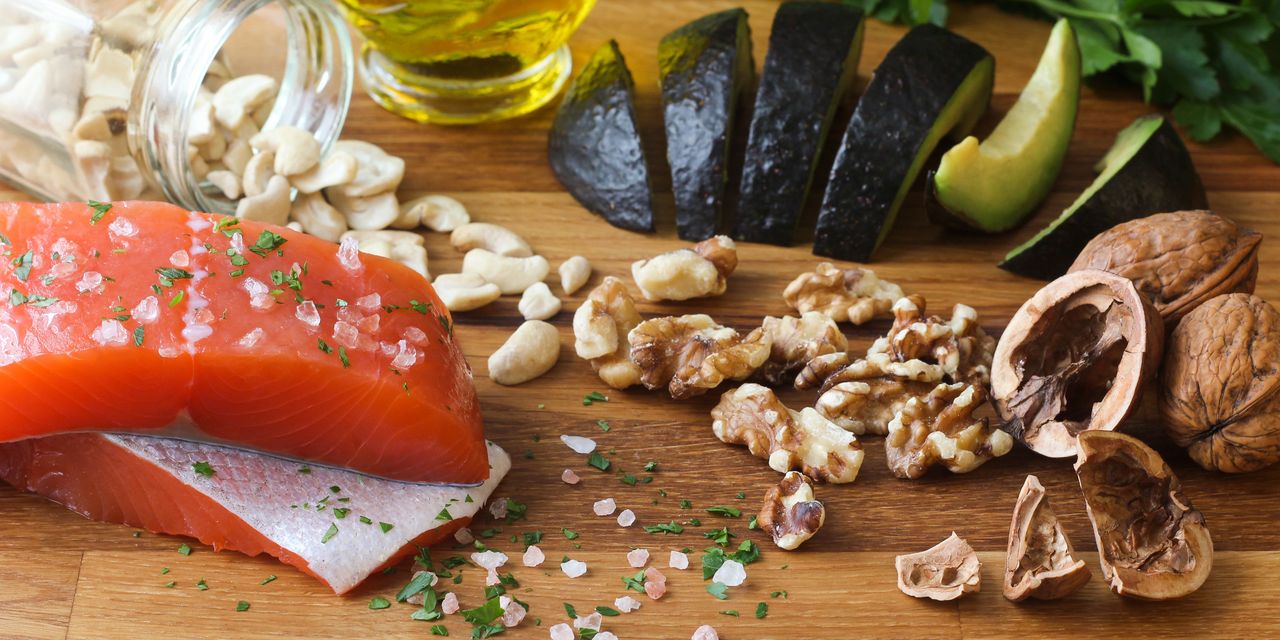
The Mediterranean diet is constantly lauded in the nutrition world—in fact, U.S. News has named it the “best diet overall” for five years straight—but as a registered dietitian, I think it’s time to think about it a little differently: It’s time to dethrone the Mediterranean diet as being the very best way to eat.
Now, the Mediterranean diet—which emphasizes whole grains and plant foods such as fruits, vegetables, legumes, tree nuts, seeds, and olives, and limits red meat, sugar, and saturated fat—is not the only culturally based way of eating that’s been celebrated. The Japanese diet, rich in foods such as seafood, steamed rice, tofu, natto, seaweed, and pickled fruits and vegetables, has been promoted for its longevity-promoting aspects as well. But as scrolling through social media or even many news and health websites will show, it still doesn’t come close to the Mediterranean diet in terms of widespread recognition.
As an RD, I’ve noticed an overwhelming belief in our society that eating Mediterranean-style is just the way to go. So if your cultural foods don’t hail from one of the countries that make up that area, how does this make you feel?
Spoiler: Probably not so good—and that’s why I believe we need to rethink how we talk about cultural foods and ways of eating.
But first, why is the Mediterranean diet so darn popular in the first place? For one, there are its health benefits: The Mediterranean diet has been linked to everything from reduced early mortality to lower rates of cardiovascular disease. Then there’s the fact that the way of eating has been studied in the nutrition world for decades. The Mediterranean diet has been the subject of intensive research for more than 50 years, ever since Ancel Keys, PhD, performed his first legendary, post-WW II “Seven Countries Study,” which suggested that the lower rates of coronary heart disease found in the Mediterranean populations were strongly linked to their lower saturated fat intake and greater reliance on plant-based foods. Then in the 1990s, the diet became even more popular thanks to the newly constructed Mediterranean Diet Pyramid, which was developed in part by the Harvard School of Public Health and the World Health Organization as a healthier alternative to the USDA’s original food pyramid.
So yes, there are scientifically backed benefits of eating the Mediterranean way. And there’s nothing wrong with following those tenets if that’s what works for your body. But it is definitely not the only way to “eat healthy”—which in itself is a loaded term. Every cultural cuisine has nutrient-dense foods that are health-promoting, and these foods are not just reserved for one region of the world.
Dining and Cooking