
Credit: Simply Recipes / Getty Images
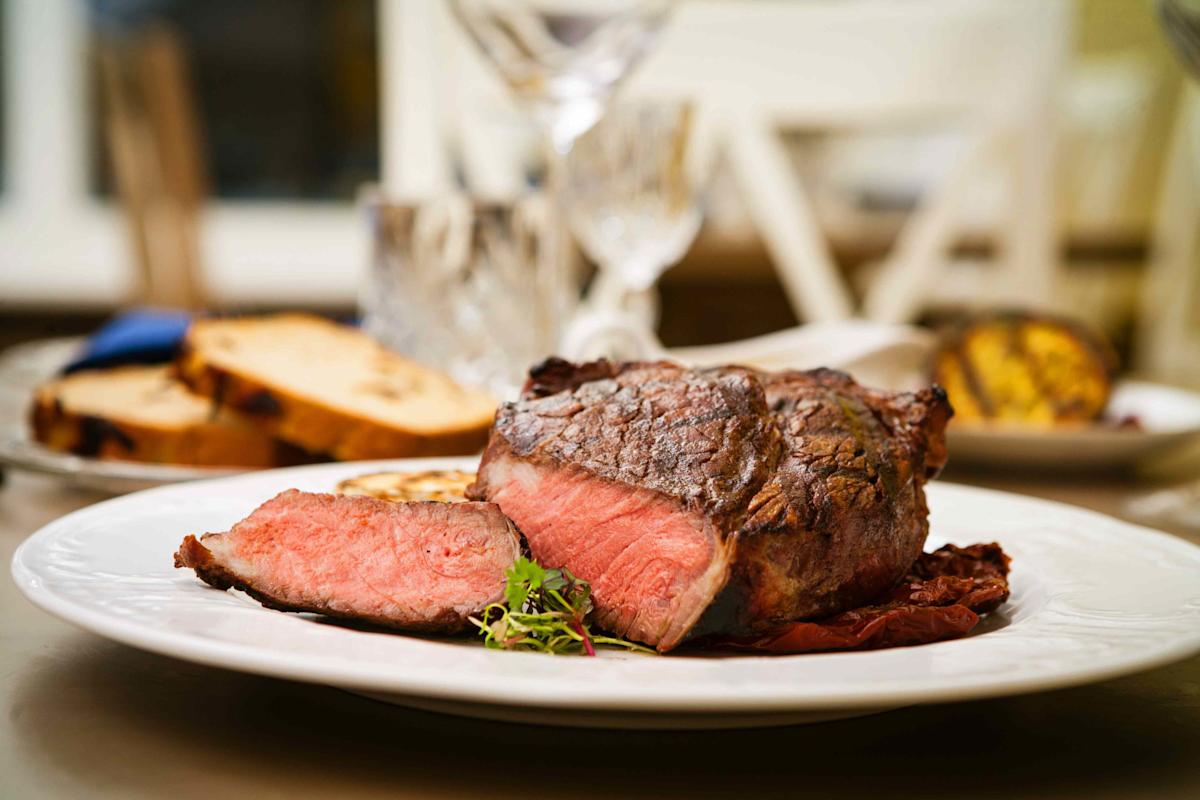
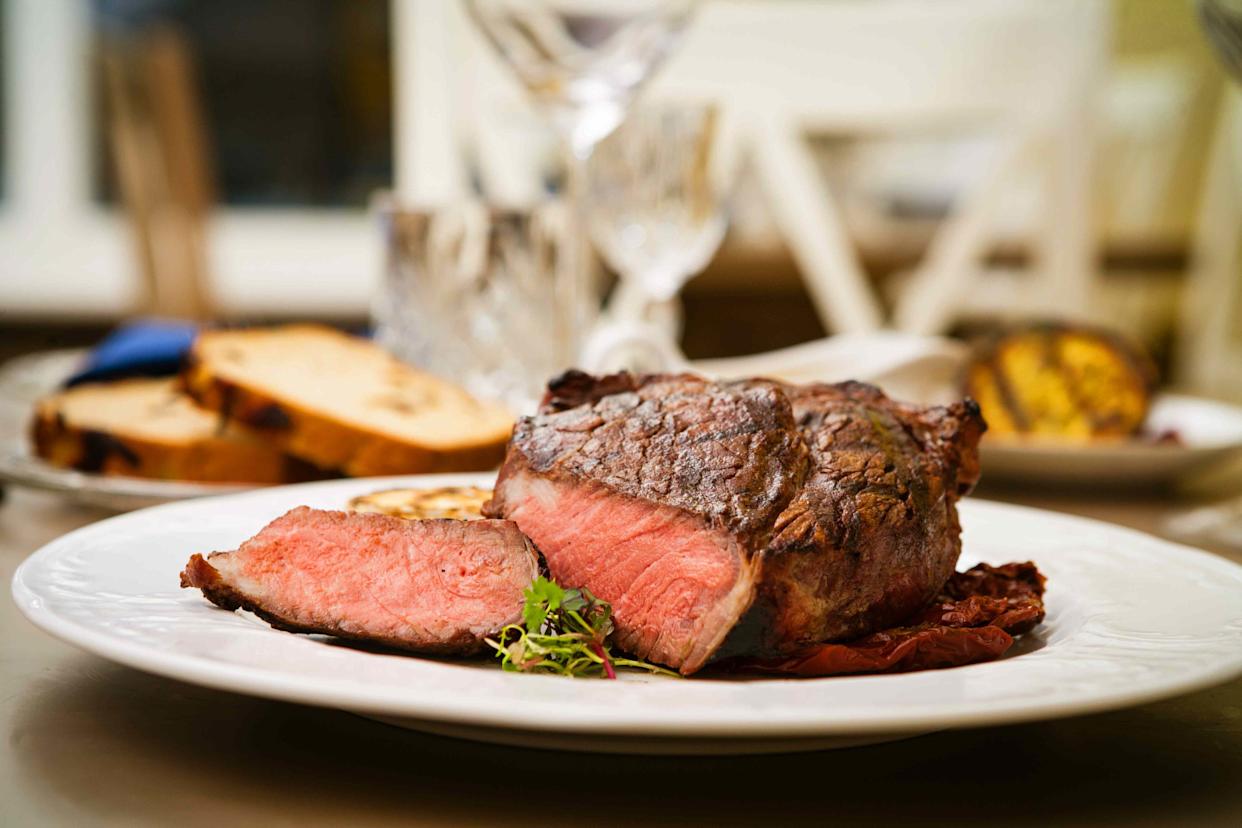
There’s something about a beautifully cooked steak that feels as if it’s reserved for a big dinner out. The risk of spending a good amount of money on a nice steak and possibly overcooking it was enough to prevent me from cooking one at home.
Do I desire a beautiful brown crust? Yes. Do I want my steak to be seasoned throughout? Absolutely. But if my steak is overcooked, those features aren’t compelling enough to satisfy me. At a restaurant, I trust that if the chefs are cooking steak to the correct temperature for the level of doneness.
How To Cook Steak to the Proper Temperature
The key to cooking a great steak at home is not overcooking it, which is achieved in a couple of ways. First, it’s important to decide where you want your steak to end up in terms of doneness. My preference is for a medium-rare steak that’s warm throughout and still red. To get a medium-rare steak, your final temperature needs to be about 135°F. If you like it more rare or closer to medium, adjust that final temp five degrees up or down.
To ensure that you get to the temperature you’re seeking, there are two things you have to do. The first is to use an instant-read thermometer, and the second is to account for carryover cooking.
Credit: Simply Recipes / Getty Images
Why You Should Use an Instant-Read Thermometer
Instant-read thermometers are your greatest tool in combating overcooked steak. They take the guesswork out of the equation. While following careful timing in a recipe can help, it’s not foolproof. Your steak may be thicker or thinner than the steak the recipe was developed with, or your stovetop may be slightly hotter or cooler.
Your trusty instant-read thermometer doesn’t know how many minutes your steak has been cooking. It just knows what temperature it has reached, and that is what really matters. While you may find recommendations to check steak doneness via the “touch test,” that’s not something I’ve ever found consistently reliable. If the goal is restaurant-worthy steak, reliability matters.
Finally, Allow Time to Rest
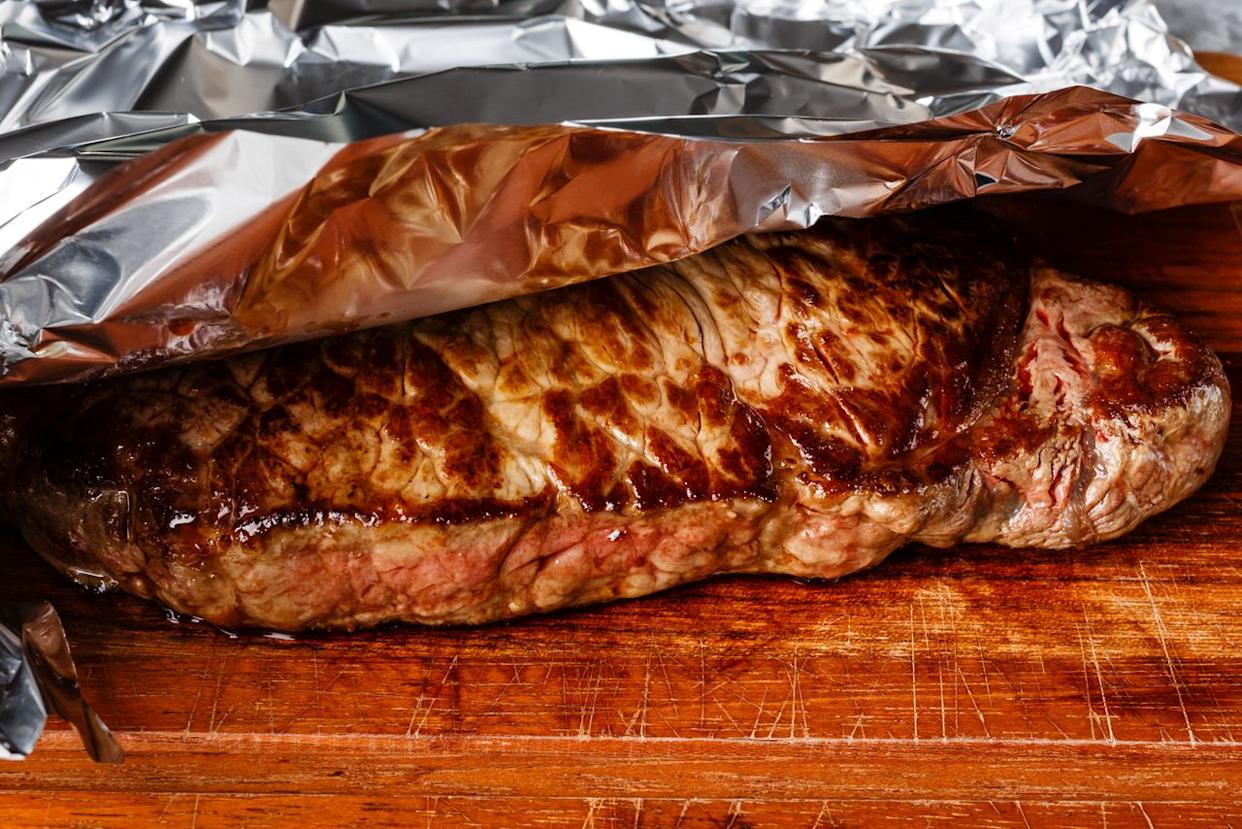
Often, you’ll see steak recipes instruct a rest time, usually five to ten minutes. During that resting time, your steak will continue to cook, a process called carryover cooking. Thinner steaks (say, under one-inch thick) will usually only rise a maximum of five degrees, while a thicker steak may rise five to ten degrees as it rests.
Because of the resting time, that means you want to cook your steak to about 130℉ for medium rare, as it’ll continue to cook once it’s out of the pan. That will give you time to open a bottle of red wine, either to pour yourself a glass of wine or create a silky red wine sauce to drizzle over the meat.
Read the original article on Simply Recipes
Dining and Cooking