
Published on
March 7, 2026
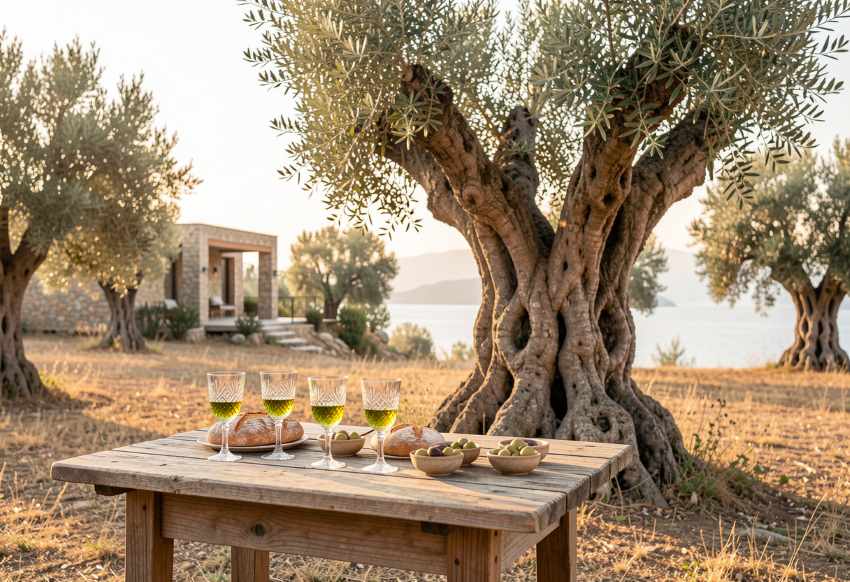
Image generated with Ai
A transformative movement is currently taking place in the global travel industry as olive oil tourism, or “oleotourism”, emerges as a leading model for sustainable exploration. This burgeoning industry is intended to attract travellers who value authenticity and deep-rooted traditions over typical sightseeing. Rather than simply observing, a shift towards immersive, hands-on experiences in rural landscapes is being promoted. From the rugged hills of the Mediterranean to the fertile plains of South America, the olive tree’s cultural significance is being redefined as a link between ancestral heritage and modern luxury travel.
A Vision for Global Sustainability and Innovation
The framework for this new tourism model was recently analyzed by international experts during a high-level summit hosted by the International Olive Council. It was asserted that oleotourism serves as a vital intersection where the excellence of extra virgin olive oil is shared with a global audience. By integrating innovation with ancient customs, the culture of the olive is being promoted across the Mediterranean basin and beyond. This multi-dimensional approach ensures that connections are strengthened between agriculture, gastronomy, and rural development. Consequently, the preservation of local landscapes is being prioritized while new life is breathed into quiet, inland communities.
The Cretan Paradigm: A Blueprint for Excellence
The island of Crete is currently being utilized as the primary case study for successful oleotourism integration. As the largest contributor to the local agricultural economy, the olive sector is being leveraged to enhance Greece’s overall travel appeal. With over 130 agrotourism establishments already operational, a sophisticated strategy is being implemented to link high-quality production with visitor engagement. This is particularly timely as Crete is recognized as the European Region of Gastronomy for 2026. Through this designation, the island’s unique version of the Mediterranean diet—already protected by UNESCO as an intangible cultural heritage—is being showcased to health-conscious travellers from around the world.
Immersive Activities: Beyond the Tasting Room
A diverse array of activities is being developed to cater to the modern traveller’s thirst for knowledge. The traditional “factory tour” is being replaced by comprehensive sensory journeys. Visitors are being invited to participate in olive harvests, where the physical labour of picking is followed by the technical observation of oil extraction. Expert-led tastings are being organized to educate palates on the nuances of acidity and flavour profiles, while culinary workshops are being held to demonstrate the versatility of olive oil in both traditional and contemporary menus.
Advertisement
Advertisement
Furthermore, the natural environment is being utilized as a gallery; visits to ancient, “sculpturesque” trees—some estimated to be up to 5,000 years old—are being curated as encounters with living monuments. In addition to these educational pursuits, leisure activities such as picnics in sun-drenched groves and the craft of olive oil soap-making are being offered to provide a holistic rural experience.
Economic and Environmental Revitalization
The benefits of oleotourism are being felt far beyond the satisfaction of the tourist. On an economic level, rural producers are being supported through the creation of secondary income streams, which effectively reduces the hardships associated with seasonal tourism fluctuations. Environmentally, a deeper understanding of sustainable land management is being fostered. Since a vast majority of the world’s biodiversity and impoverished populations are located in rural sectors, farmers are being empowered to act as guardians of the land. Through the promotion of oleotourism, climate change is being combated by encouraging the preservation of carbon-sequestering olive forests and the revitalization of biodiversity-rich ecosystems.
Advertisement
Advertisement
Overcoming Challenges through Collaboration
Despite the clear enthusiasm for olive oil-focused travel, certain obstacles are being addressed by industry leaders. Infrastructure improvements, such as enhanced road networks and specialized signage, are being called for in remote production areas. Furthermore, the pressures of environmental impact and investment costs are being mitigated through careful planning and coordination. Collaboration is being sought between government officials, hospitality owners, and olive oil producers to ensure that visitor numbers remain manageable and that the authenticity of the local community is never compromised. Compelling narratives are being crafted on digital platforms to ensure that the story of the olive reaches the right audience.
Global Success Stories: From Portugal to South America
Oleotourism’s success is being celebrated as a global phenomenon, rather than just in Europe. In Argentina, visitors can bottle their own freshly milled oil, creating a tangible connection to the land. In Brazil, a “sensorial dive” into the world of fresh oil is being promoted to shift consumer demand towards higher-quality goods. Meanwhile, in Portugal, educational programmes are aimed at children, who are seen as future ambassadors of olive culture. Through these various international efforts, a new generation of educated consumers is being developed, ensuring that the appreciation for “liquid gold” remains a permanent fixture of global gastronomy and sustainable tourism.

Dining and Cooking