
Credit: Odu Mazza / Getty Images
If you automatically reach for a shaker of crushed red pepper flakes when you’re serving pizza or pasta, it might be time for an upgrade.
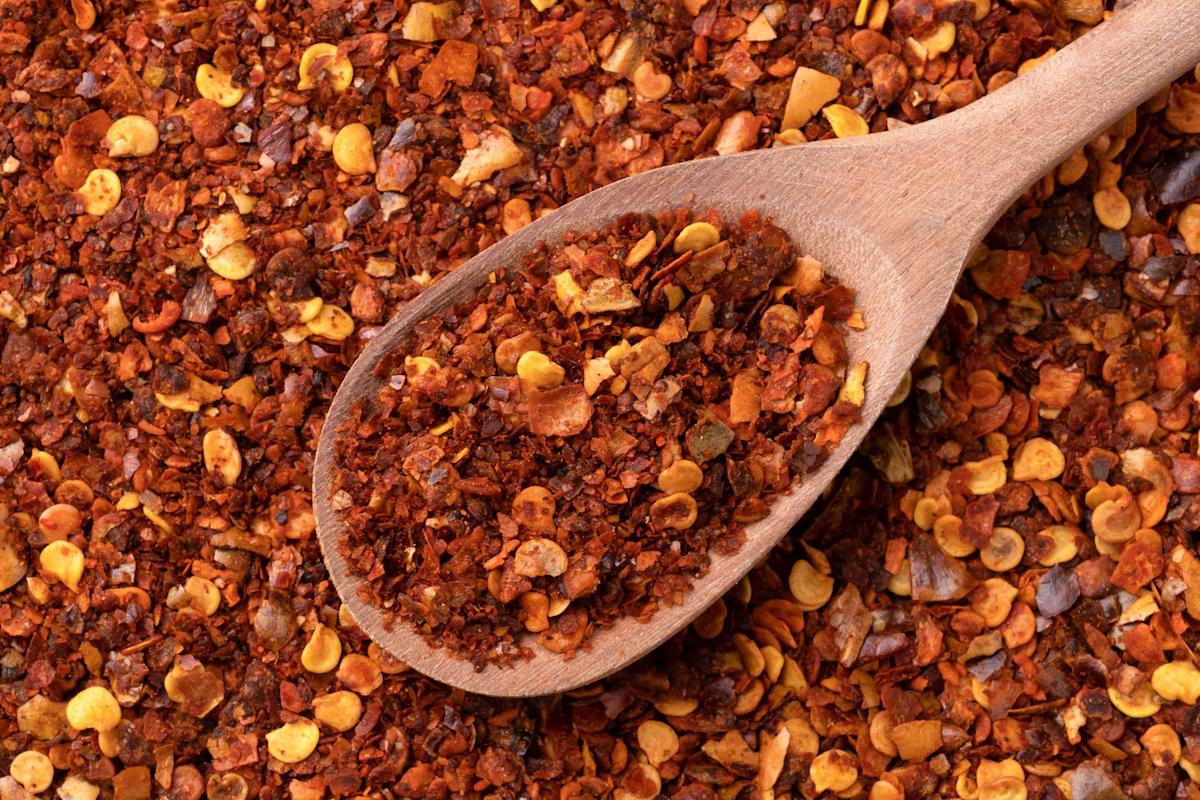
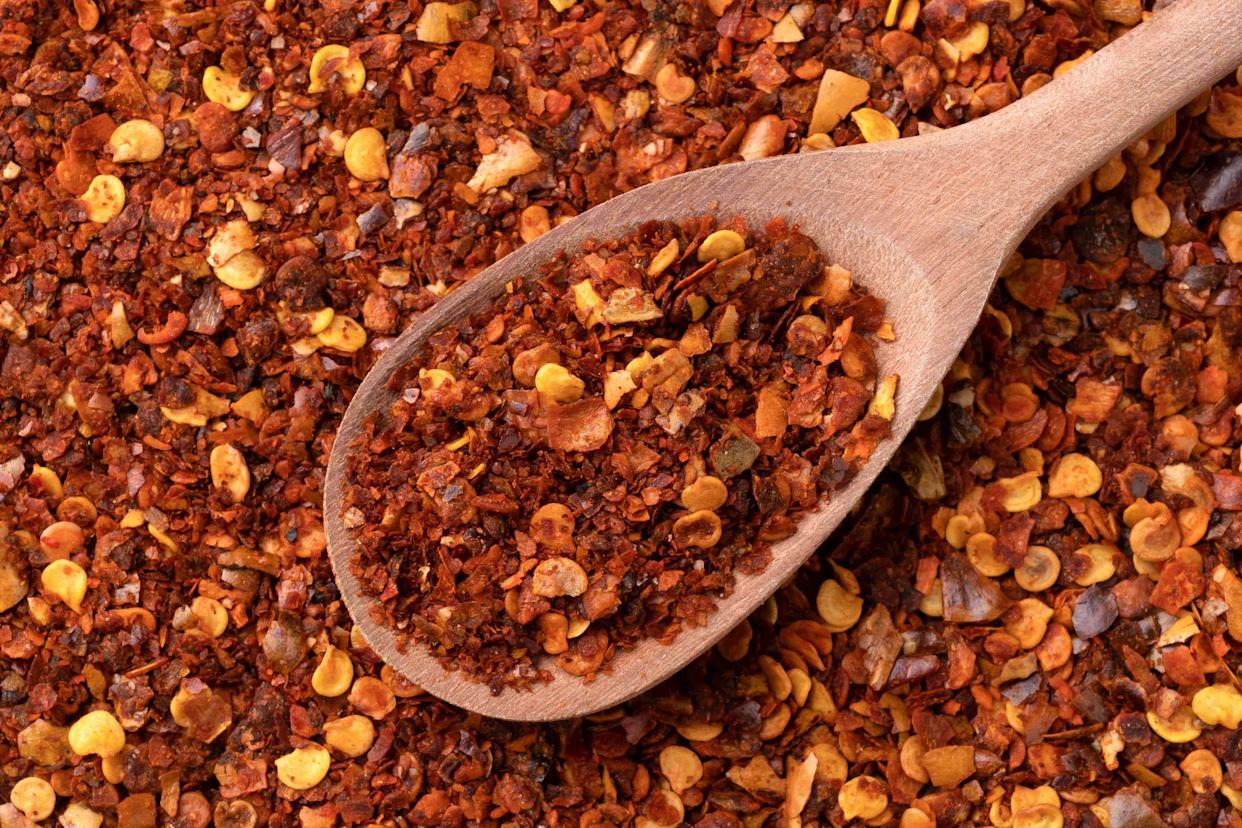
Calabrian chiles bring their sweet, nuanced heat to everything from pasta to sandwiches. You can find them in several forms: chopped in oil, pickled, and even powdered. But the easiest way to unlock their flavor might be a sprinkle of chile flakes.
Here’s how to buy and use these enigmatic chile flakes, according to two Italian chefs.
Related: These Are the 12 Essential Spices Every Kitchen Should Have
What are Calabrian chiles?
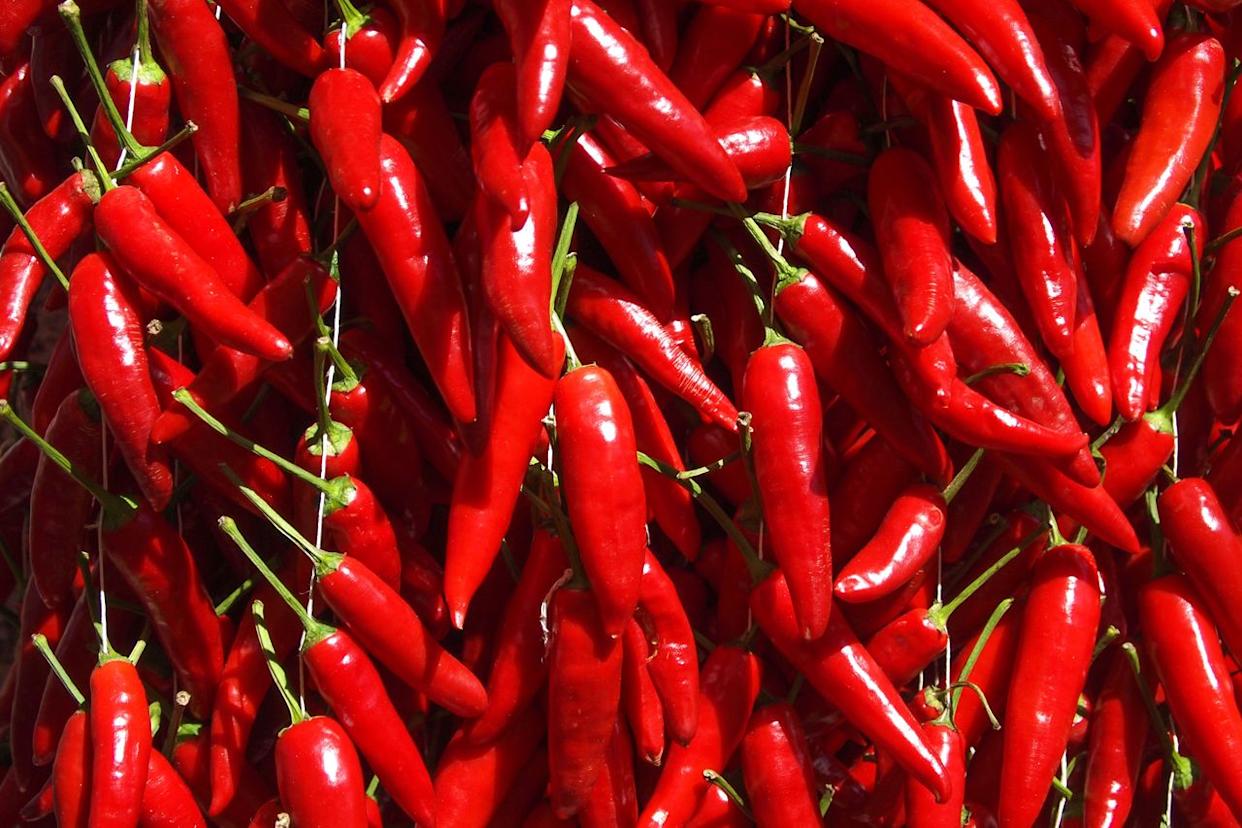
“Calabrian chiles — peperoncini calabrese — are small red peppers grown in the Calabria region of Italy,” says Angelo Caruso, chef-owner of Angelo’s Ristorante in Stoneham, Massachusetts. “They’re slightly hotter than conventional chile flakes, but the spice isn’t as sharp or long-lasting. The heat comes with flavor and then calms down more quickly.”
In Italy, everything from wine grapes to cheeses to pasta shapes are highly specific to the conditions and cuisine of individual regions, and Calabrian chiles are no exception. Calabria is the peninsular “toe” of Italy’s boot, and its distinct terroir defines the peppers’ personality.
“They’re grown during summertime and dried during the winter,” says Vincenzo Salvatore, culinary director of Aspen Hospitality Group. “They express not only the land but the effect that the sea has on the land.” Volcanic soils provide minerality, hot and dry conditions increase capsaicin levels, and cooling sea breezes and diurnal temperature shifts decrease stress on the plants, allowing other aroma compounds to develop, he explains.
Credit: Marco Casse’ / Getty Images
What do Calabrian chiles taste like?
Perhaps you’ve previously encountered Calabrian chiles as a drizzle of chile oil on a pizza or as the spicy element of ’nduja, a spreadable Calabrian salami that uses the peppers as a preservative.
“What makes Calabrian chiles special is that they bring flavor with the spice,” says Caruso. “They have depth and a subtle fruitiness that lingers pleasantly on the palate.”
Salvatore also emphasizes their complexity. “They have an intensity and reach with woodsy and hazelnut notes,” he says. “They’re both minerally and sweet at the same time.”
How to use Calabrian chile flakes
Calabrian chile flakes are just as versatile as conventional red pepper flakes. “They’re persistent and durable, but at the same time they don’t overpower if used in the right way,” says Salvatore.
Bloom them in cooking oil at the beginning of a recipe, in the same way you would sweat onion or garlic, to imbue dishes with warm spice, or add them toward the end of the cooking process for pops of heat.
The chefs suggest pairing them with other ingredients that benefit from Calabria’s unique geography, like Calabrian tomatoes. “I like to use Calabrian chiles in tomato-based pasta dishes where they can build layered heat into the sauce,” says Caruso. “They’re also great in cioppino, where the spice complements the seafood.”
Related: Soppressata Pizza with Calabrian Chiles and Hot Honey
Salvatore also recommends Calabrian chile flakes as a companion for seafood. “The majority of my fish dishes include Calabrian chile flakes,” he says. “That fruity, spicy note that gives a kick and really completes the plate.”
Dishes that call for jarred Calabrian chiles, chile oil, or chile paste can also get a shortcut from Calabrian chile flakes. Once you have them on hand, they’re as versatile as anything on your spice rack, lending personality to everything from butter beans to chicken à la king to grilled cheese.
Where to buy Calabrian chile flakes
Look for Calabrian chile flakes wherever you might seek preserved Calabrian chiles. “You can typically find them at specialty Italian markets, gourmet food shops, and many well-stocked grocery stores,” says Caruso. You can also purchase them online from sources like Boonville Barn Collective and La Boîte.
Note that some packages of Calabrian chile flakes may be labeled by their Italian name, peperoncino calabrese.
Read the original article on Food & Wine
Dining and Cooking